
The Rise of AI in the Kitchen: Ovens that recognize your food

We have all been there: hovering over the oven door, squinting through the glass, and wondering if the pizza is finally golden brown or if those biscuits are still doughy in the middle. Traditional cooking often relies on timers, temperature settings, and constant checking, which can lead to dry chicken, underbaked desserts, or burnt leftovers.
The latest generation of smart ovens is changing that experience. Today’s AI powered ovens use internal cameras, computer vision, smart sensors, and machine learning to recognize food, monitor progress, and recommend cooking settings. Instead of simply heating the cavity, these appliances are designed to help reduce guesswork and deliver more consistent results.
What Is an AI Oven?
An AI powered oven is more than just a connected appliance. It is an intelligent cooking system designed to take the guesswork out of the kitchen. While traditional ovens rely on you to set the time and temperature, an AI oven uses real time data, visual cues, and smart cooking programs to actively support the cooking process.
AI vs. Traditional Smart Appliances
The biggest difference is autonomy. Traditional smart appliances usually focus on remote control features, such as preheating from your phone or receiving a notification when a timer ends. AI enabled appliances go a step further by using real time feedback to make cooking recommendations.
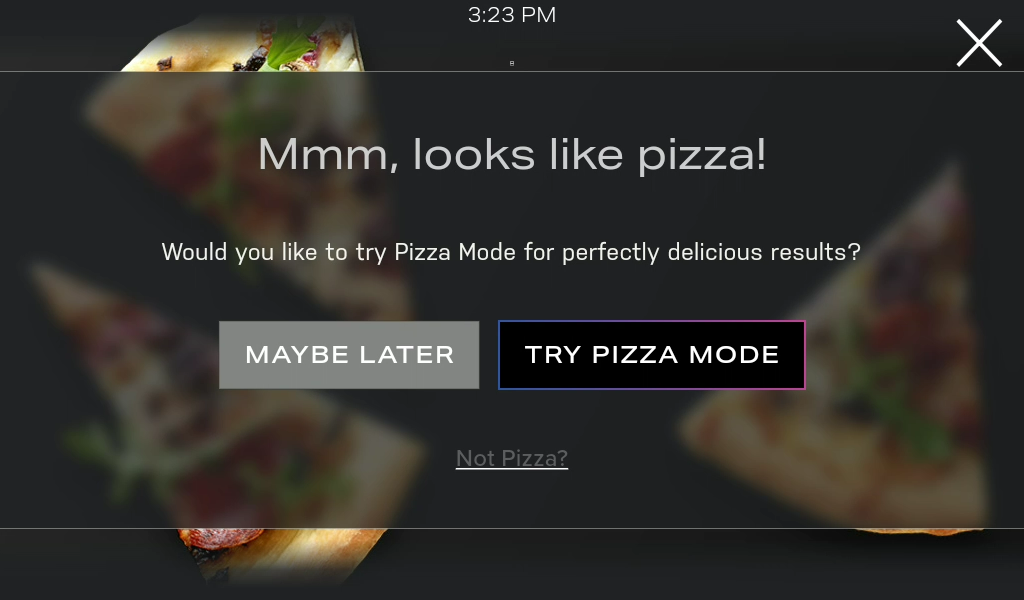
For example, instead of simply alerting you when a timer ends, an AI oven may recognize that biscuits are golden brown or that a pizza is ready and suggest the best cooking mode or timing adjustment.
The Core Technology Behind AI Ovens
- Internal Cameras: Heat resistant cameras provide a live view of food inside the oven cavity.
- Computer Vision: Software analyzes the camera feed to identify food types such as pizza, cookies, turkey, or baked goods.
- Machine Learning: AI models are trained to recognize visual changes in browning, texture, rise, and doneness.
- Advanced Sensors: Temperature probes, humidity sensors, and thermal monitoring help improve precision.
- Cloud Connectivity: Connected ovens can access recipe databases, app controls, and software updates over time.
Leading Brands in the AI Oven Space
- GE Profile Cookcam AI: Uses an in oven camera and artificial intelligence to detect food and recommend precision cooking modes.
- Samsung Bespoke AI: Uses smart cooking technology and visual progress monitoring concepts to improve cooking guidance.
- LG Signature Gourmet AI: Uses internal camera technology and smart monitoring to help track cooking progress.
How Food Recognition Technology Works
Modern AI ovens work like high performance computing devices built directly into the kitchen. By combining camera hardware, image processing, machine learning, and smart cooking programs, these appliances can help reduce the trial and error of manual cooking.
Cameras Inside the Oven
The foundation of food recognition is the internal oven camera. These embedded cameras capture real time images of food as soon as the door is closed. Some systems also allow users to stream a live video feed to a smartphone, making it easier to monitor browning without opening the door and losing heat.
In some advanced systems, image processing may happen locally inside the appliance through edge computing. This helps the oven analyze visual data quickly without needing to send every frame to the cloud.
Computer Vision and Machine Learning
Once the camera captures an image, the oven’s software analyzes what is on the rack. Computer vision helps identify food types, while machine learning helps the system understand visual changes that happen during cooking.
- Pizza and cookies: AI can recognize shape, browning, and texture changes.
- Chicken and proteins: Advanced models can help identify certain cuts and recommend cooking programs.
- Frozen meals: Some smart systems use barcode scanning or preset cooking databases to improve accuracy.
Real Time Cooking Adjustments
The real benefit of an AI oven is its ability to support dynamic cooking decisions. Instead of relying only on a static timer, smart systems can suggest cooking modes, adjust heat patterns, manage fan speeds, and monitor progress as food changes inside the cavity.

GE Cookcam AI: A Real World Example
The Oven That Watches Your Dinner So You Do Not Have To
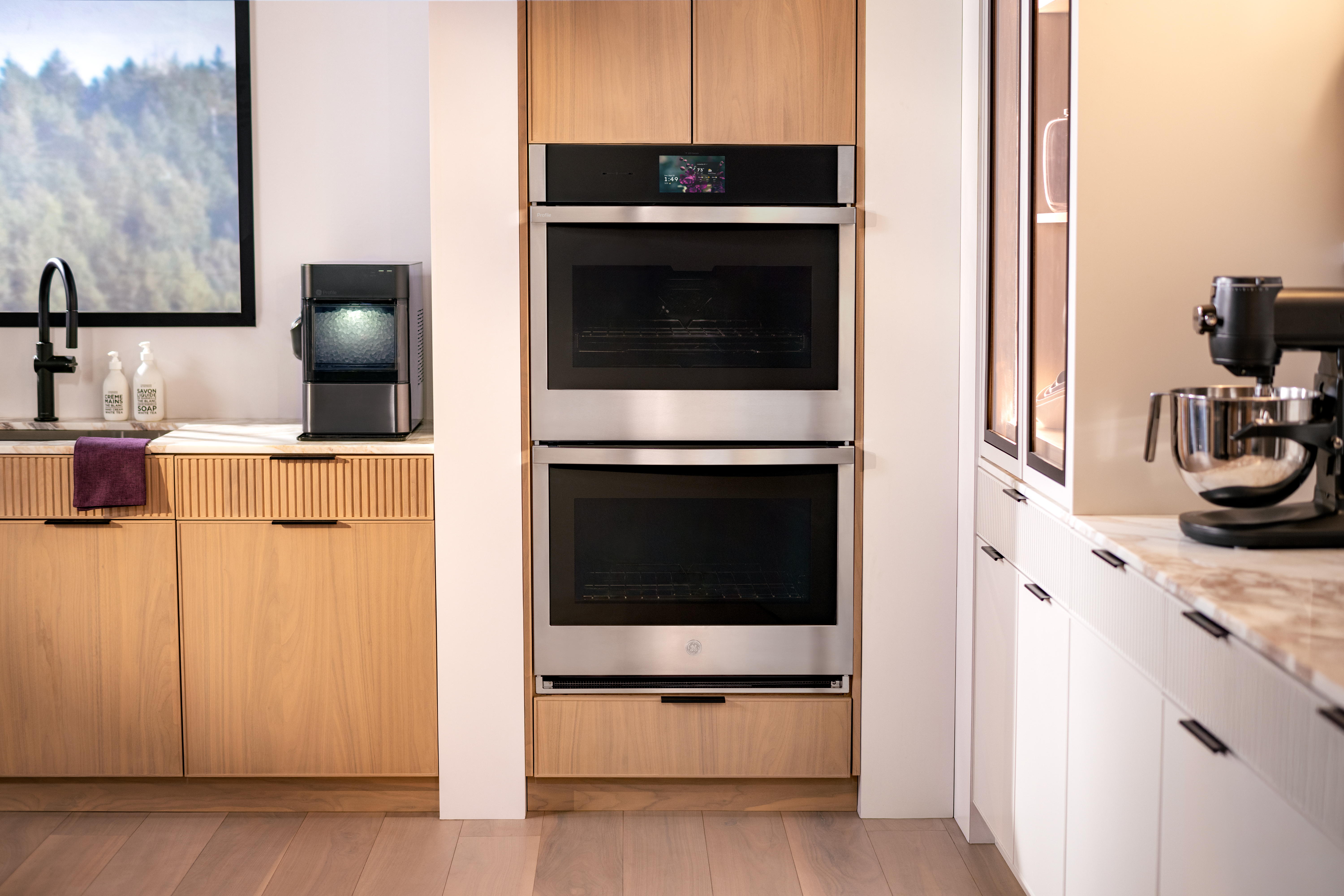
GE Cookcam AI is one of the clearest examples of how artificial intelligence is entering the home kitchen. Available on select camera equipped GE Profile and Café ovens, Cookcam AI uses an in oven camera and advanced machine learning to identify food and recommend Precision Cooking modes.
What Cookcam AI Can Do
- Instant Dish Recognition: The internal camera captures an image of the oven cavity and uses AI to identify certain dishes.
- Automatic Setting Suggestions: Once food is identified, the oven can recommend a Precision Cooking mode on the display or through the SmartHQ app.
- Remote Progress Monitoring: A connected camera allows users to check cooking progress from a smartphone without opening the oven door.
Precision Cooking Features
Cookcam AI works alongside GE’s Precision Cooking technology. This system helps guide users through cooking settings for specific dishes and supports more consistent results. By adding visual recognition, the oven becomes more useful for busy households that want better cooking support without constant checking.

GE Profile PSB9240SVSS 30 Inch Stainless Steel Single Wall Oven
The GE Profile PSB9240SVSS brings smart cooking technology directly into your kitchen with a built in in oven camera that allows you to monitor meals remotely through your smartphone.
Image Credit: Shop Appliances
View Product
GE Profile PTD700RSNSS 30 Inch Stainless Steel Double Wall Oven
The GE Profile PTD700RSNSS simplifies meal preparation with intelligent Precision Cooking Modes that automatically adjust cooking settings based on the selected dish.
Image Credit: Shop Appliances
View Product
GE Profile PTS7000BNTS 30 Inch Black Stainless Steel Single Wall Oven
The GE Profile PTS7000BNTS combines modern design with advanced smart cooking tools, including a remote temperature probe for better precision.
Image Credit: Shop Appliances
View Product
GE Profile PTS9200SNSS 30 Inch Stainless Steel Double Wall Oven
The GE Profile PTS9200SNSS offers True European Convection with Precise Air to improve heat circulation and support more even baking and roasting.
Image Credit: Shop Appliances
View ProductWhy Consumers Are Interested in AI Ovens
The shift toward AI integrated kitchens is not just about new technology. It is about solving everyday cooking problems. By combining visual intelligence with precise heat control, these ovens offer a level of convenience and consistency that appeals to busy households, beginners, and experienced home cooks.
Convenience: Less Guesswork, Faster Prep
For modern households, the biggest benefit is reduced manual monitoring. AI ovens can recognize certain dishes, recommend settings, and help users avoid constantly opening the door to check progress.
- Reduced decision fatigue: Food recognition can help suggest the right cooking mode.
- Personalized cooking habits: Some smart ovens learn frequently used settings and suggest favorites.
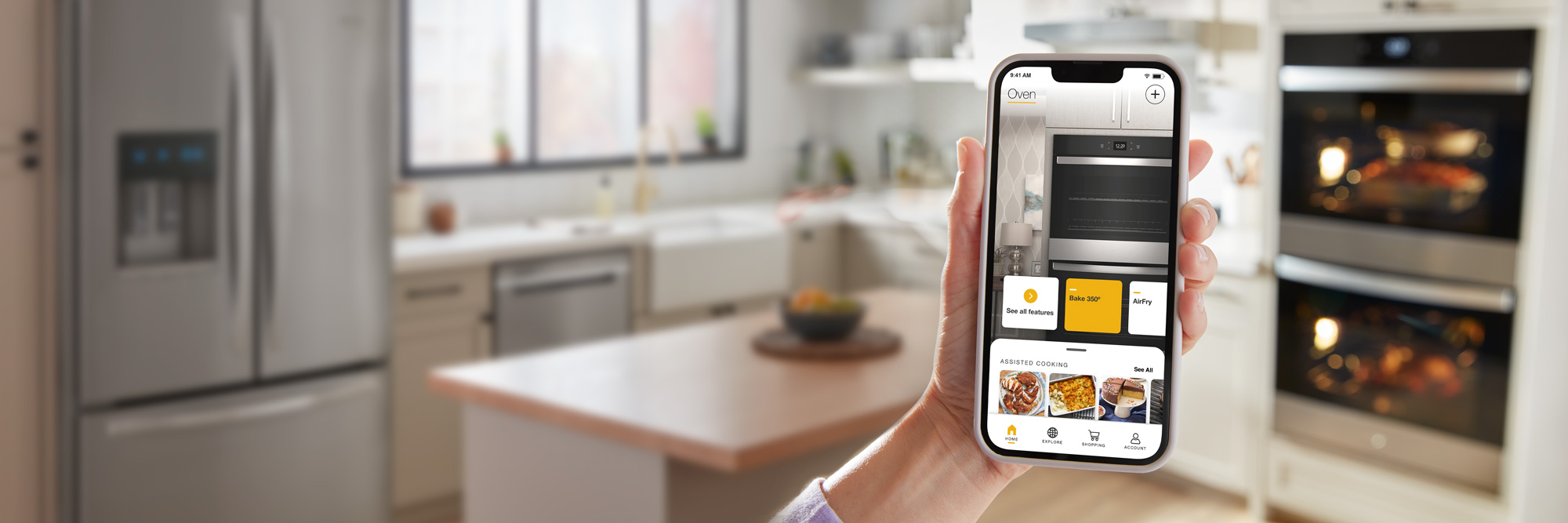
- Remote monitoring: Internal cameras let users check progress from a smartphone.
Better Cooking Results
AI ovens are designed to move beyond static timers. Guided cooking programs, temperature probes, convection systems, and smart cooking modes can help improve consistency for baking, roasting, reheating, and entertaining.
Energy Efficiency
Smart ovens may help reduce wasted cooking time by monitoring progress more closely. Some compact smart cooking appliances may also use less energy than a full size range for smaller daily meals, depending on the appliance type and cooking task.
Accessibility for Every Skill Level
AI cooking features can make complex recipes more approachable. Guided cooking, visual progress tracking, remote alerts, and automatic cooking suggestions can help beginners feel more confident while giving busy families more flexibility.
The Bigger Trend: AI Across the Smart Kitchen
The intelligent oven is part of a larger connected kitchen trend. Manufacturers are moving beyond standalone appliances toward smart ecosystems where ovens, refrigerators, apps, recipe platforms, and voice assistants work together.
Expanding Beyond the Oven
- Smart Refrigerators: Some models use internal cameras to help users check food inventory and plan meals.
- AI Recipe Assistants: Guided cooking platforms can provide step by step instructions and visual recipe support.
- Voice Controlled Appliances: Integration with Alexa or Google Assistant can support hands free commands.
- Proactive Maintenance: Some connected appliances can send alerts, reminders, and performance notifications.
A Seamless Integrated Experience
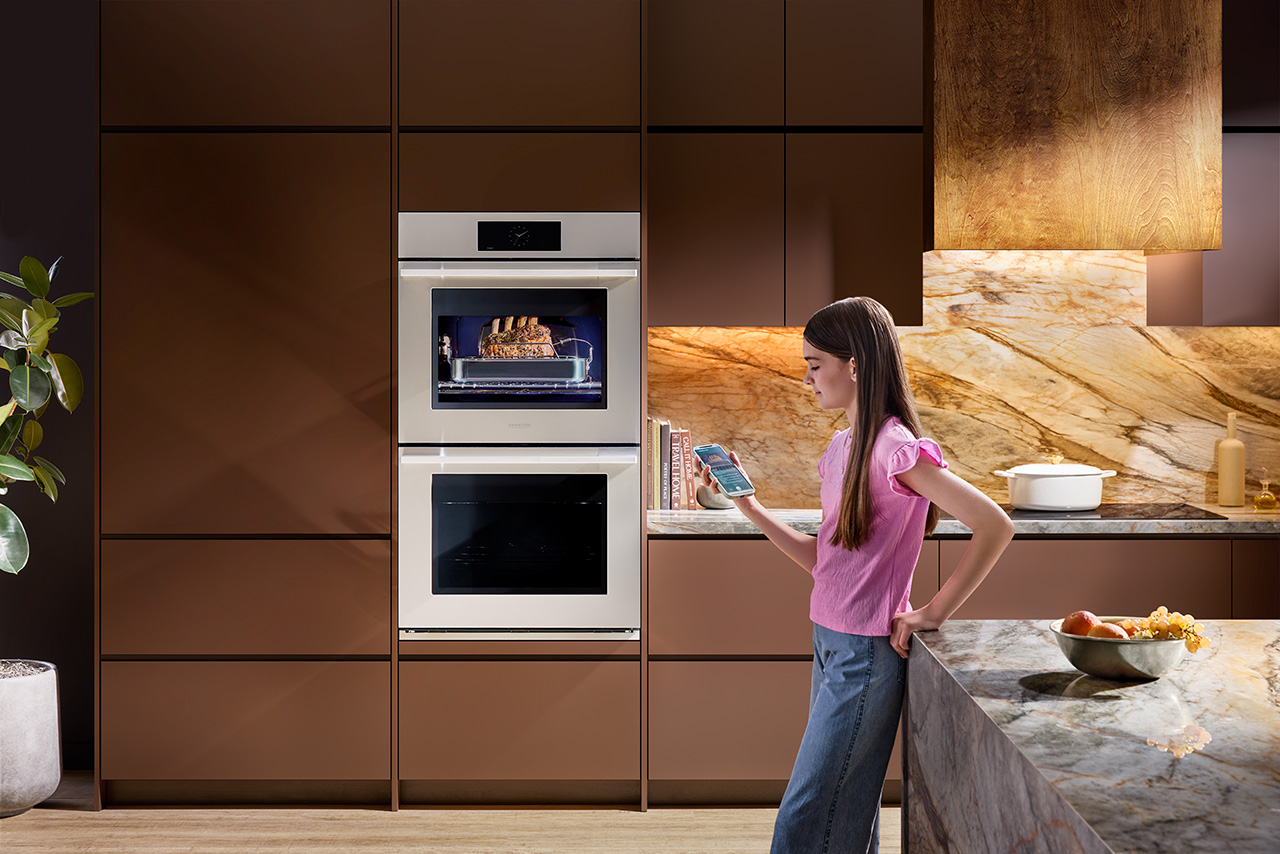
The modern smart kitchen connects appliances into a single digital workflow. Apps such as GE SmartHQ, LG ThinQ, Whirlpool connected platforms, and other brand ecosystems can help users monitor cooking progress, receive alerts, download cooking cycles, and manage appliances from a smartphone.

Are AI Ovens Worth It?
Deciding whether an AI oven is worth the investment depends on your cooking habits, budget, interest in smart home technology, and comfort level with connected appliances. For many homeowners, the biggest benefit is convenience. For others, privacy, connectivity, and cost may be important considerations.
Pros of AI Ovens
- Ultimate convenience: AI features can recognize food, suggest cooking modes, and reduce manual checking.
- More consistent results: Guided cooking, smart sensors, and convection systems can improve cooking precision.
- Remote monitoring: Internal cameras and app alerts help users track progress from another room.
- Smarter cooking support: Recipe guidance and automatic recommendations can make complex dishes easier.
Cons to Consider
- Privacy concerns: Connected appliances with cameras, microphones, or app tracking may collect data.
- Connectivity dependence: Some advanced features may require WiFi, app access, or cloud services.
- Higher upfront cost: AI enabled and premium smart ovens usually cost more than basic oven models.
- Long term software support: Smart features may depend on updates, app compatibility, and brand support.
AI Oven Buying Checklist
- Check whether the oven has an internal camera or remote viewing feature.
- Compare smart cooking modes, precision cooking programs, and guided recipes.
- Review app compatibility, WiFi requirements, and voice assistant support.
- Look for useful cooking tools such as temperature probes, convection modes, and air fry settings.
- Consider privacy settings, firmware updates, and data controls before connecting the appliance.
Quick Comparison: Traditional Oven vs. Smart Oven vs. AI Oven
| Oven Type | Main Feature | Best For |
|---|---|---|
| Traditional Oven | Manual time and temperature control | Simple everyday cooking and basic baking |
| Smart Oven | WiFi control, app alerts, and remote preheating | Users who want connected convenience |
| AI Oven | Food recognition, visual monitoring, and automatic cooking recommendations | Busy households, tech forward kitchens, and precision focused cooking |
Final Thoughts
AI ovens represent the next major step in smart kitchen technology. With internal cameras, food recognition, guided cooking modes, and remote monitoring, these appliances can help reduce guesswork and make cooking feel more approachable. They are especially useful for homeowners who value convenience, consistency, and connected kitchen design.
At the same time, buyers should consider privacy, connectivity, cost, and long term software support before upgrading. The best AI oven is not just the most advanced model. It is the one that fits your cooking habits, kitchen layout, and comfort level with smart home technology.
Shop Smart and AI Ready Ovens at ShopAppliances.com
AI powered ovens are becoming more widely available from trusted appliance brands. If you are looking for smart ovens with precision cooking modes, WiFi connectivity, in oven cameras, temperature probes, and advanced cooking features, ShopAppliances.com offers a growing selection of premium wall ovens, ranges, and connected cooking appliances.
- Authorized brand products
- Competitive pricing
- Expert appliance support
- Delivery options
- Smart kitchen appliance recommendations tailored to your needs
FAQs
How do AI ovens recognize food?
AI ovens use a combination of internal cameras, sensors, and machine learning technology to identify food items and monitor cooking progress. Using computer vision, the oven analyzes the appearance of dishes like pizza, cookies, vegetables, or frozen meals and may recommend temperature, cooking mode, and timing adjustments.
Are smart ovens safe to use?
Yes, smart ovens are generally safe when used properly and maintained according to the manufacturer’s instructions. Many models include safety features such as automatic shutoff, remote monitoring, child locks, and temperature alerts. Because connected ovens may use WiFi, cameras, or app controls, users should also keep firmware updated and use secure home networks.
What is GE Cookcam AI?
GE Cookcam AI is an intelligent cooking technology from GE Profile that uses an in oven camera and artificial intelligence to recognize certain foods, monitor cooking progress, and recommend optimized Precision Cooking settings.
Are smart kitchen appliances worth it?
Smart kitchen appliances can be worth it for users who value convenience, automation, and cooking precision. Features like remote control, recipe guidance, voice assistant integration, and automatic cooking suggestions can save time and improve consistency. However, they usually cost more than traditional appliances and may require WiFi, app access, and software support.
Where can I buy AI ovens?
You can shop smart ovens, connected wall ovens, and AI ready cooking appliances at ShopAppliances.com. The site offers premium options from leading appliance brands, along with expert support to help you compare features such as WiFi connectivity, precision cooking, remote monitoring, convection technology, and in oven camera capabilities.
Read More
- Energy Efficiency Through the Decades: How EPA Standards Changed Appliance Manufacturing
- The Ultimate Guide to Coin Operated Laundry Machines and Top Commercial Brands
- The History of the Washing Machine: How We Moved from Scrub Boards to App Controlled Laundry
- The Rise of Smart Appliances: A Look Back at the First Connected Devices
- Introducing Verona Refrigerators: Elegant Cooling Designed for Modern Living