
How to Fix a Dryer That Smells Like Burning: Causes, Troubleshooting & Safety Tips

Few appliance problems are as alarming as opening your laundry room door and noticing a burning smell coming from your dryer. Whether the odor resembles burning rubber, scorched fabric, or hot electrical wiring, it is a warning sign that should never be ignored. While the cause may be as simple as lint buildup or a clogged vent, it can also indicate an overheating component or mechanical failure that increases the risk of fire.
A burning smell is more than just an inconvenience. It can signal conditions that lead to appliance damage, ruined clothing, and dangerous house fires. Learning how to fix a dryer that smells like burning starts with identifying the source of the problem, taking immediate safety steps, and knowing when to stop troubleshooting and call a professional.
What to Do Immediately If Your Dryer Smells Like Burning
Stop the Dryer and Disconnect Power
The moment you detect a burning scent, stop the cycle and unplug the dryer immediately. For electric models, disconnect the large 240 volt plug. For gas models, pull the 120 volt cord. If the plug is inaccessible, shut off the power at the main circuit breaker. Disconnecting power helps eliminate electrical hazards and prevents the unit from producing more heat.
Turn Off the Gas Supply for Gas Dryers
If you are operating a gas dryer, shut off the gas supply valve as an added safety precaution. When moving the unit to reach the valve, be careful not to pull it forcefully. Stretching or crimping a flexible gas line can cause dangerous leaks. Once the gas is off, open windows to help ventilate the area.
Remove Clothing and Check for Smoke
Once the unit is safely disconnected, remove all clothing from the drum. This prevents laundry from scorching and allows you to inspect the interior for small items that may have slipped into the heating area. If you notice smoke, keep the dryer door closed to limit oxygen reaching a potential heat source.
When to Call 911
- You see heavy smoke or smoke continues for more than a few minutes.
- There are visible flames, glowing embers, or active fire inside the drum.
- You detect a sharp electrical odor with sparks or smoke.
- The exterior of the dryer is extremely hot to the touch.
Common Causes of a Burning Smell in a Dryer and How to Fix Them
A burning smell from your dryer is an early warning that something may be overheating, blocked, worn out, or trapped inside the appliance. Some causes are simple maintenance issues, while others are serious fire hazards that require immediate attention. Use the odor, sound, and drying performance to help narrow down the source.

1. Excess Lint Buildup
Lint is highly combustible and can collect inside the lint trap housing, dryer cabinet, blower wheel area, or near the heating element. When lint gets too hot, it may create a smoky, dusty, or earthy burning smell.
- Symptoms: Smoky or dusty burning odor, longer drying times, and a dryer cabinet that feels hotter than usual.
- How to Fix It: Clean the lint filter before and after every load. Vacuum the lint trap housing with a crevice tool. If lint has built up inside the dryer cabinet, schedule professional cleaning.
2. Clogged Dryer Vent
A blocked vent restricts airflow and traps heat inside the dryer. This can cause the appliance to overheat and can also make clothes take multiple cycles to dry.
- Symptoms: Clothes stay damp after a full cycle, the dryer feels unusually hot, or the outside vent flap does not open properly.
- How to Fix It: Disconnect the vent hose and remove compacted lint. Check the outdoor vent cap to make sure air can flow freely. Schedule a full vent cleaning at least once a year.
3. Worn or Slipping Drive Belt
The drive belt rotates the dryer drum. Over time, the rubber can stretch, crack, fray, or slip out of place. When the belt rubs against the pulley or drum, it can create a burning rubber smell.
- Symptoms: Burning rubber odor, squealing sounds, or a drum that spins unevenly.
- How to Fix It: Inspect the belt for cracks, frayed edges, or shiny worn areas. Replace the belt if it shows visible damage.
4. Faulty Idler Pulley
The idler pulley keeps tension on the drive belt. If the pulley bearings seize, the belt can continue rubbing across the stuck pulley, creating friction and heat.
- Symptoms: Strong burning rubber smell with loud squealing or squeaking noises.
- How to Fix It: Check whether the pulley spins freely. If it feels stiff, frozen, or noisy, the idler assembly should be replaced.
5. Damaged Heating Element
The heating element produces the hot air needed for drying. If it develops hot spots, shorts against the housing, or becomes damaged, it can create a sharp burning smell and may overheat the dryer.
- Symptoms: Persistent sharp burning smell, chronic overheating, or scorched clothing.
- How to Fix It: Stop using the dryer if the smell continues. A technician can inspect the heating element, test the component, and replace it if needed.
6. Overheating Dryer Motor
The motor powers the dryer drum. When the motor or its bearings begin to fail, the internal components may overheat and create an electrical or oily burning odor.
- Symptoms: Electrical burning smell, grinding or humming noises, or a dryer that shuts off unexpectedly.
- How to Fix It: Motor issues usually require professional service because the repair involves electrical components and dryer disassembly.
7. Electrical Wiring Issues
Damaged wiring, loose connections, a faulty power cord, or a shorted terminal block can melt insulation and create a sharp chemical or electrical burning smell. This is a serious safety concern.
- Symptoms: Acrid electrical odor, tripped circuit breaker, dryer shutting off mid cycle, scorch marks, or melting near the plug or terminal block.
- How to Fix It: Stop using the dryer immediately and unplug it if it is safe to do so. Schedule professional repair before running another cycle.
8. Foreign Objects Trapped Inside the Dryer
Small items such as socks, paper scraps, wrappers, or pieces of fabric can slip through gaps around the drum and contact hot internal parts. As they scorch, they may create a burning smell.
- Symptoms: Burning odor after a specific load, rattling sounds, or visible small items caught near the drum opening.
- How to Fix It: Turn the dryer off and inspect the drum area. Remove any visible objects. If the item has slipped inside the dryer housing, professional service may be needed.
How to Inspect Your Dryer Safely
Check the Lint Trap Housing
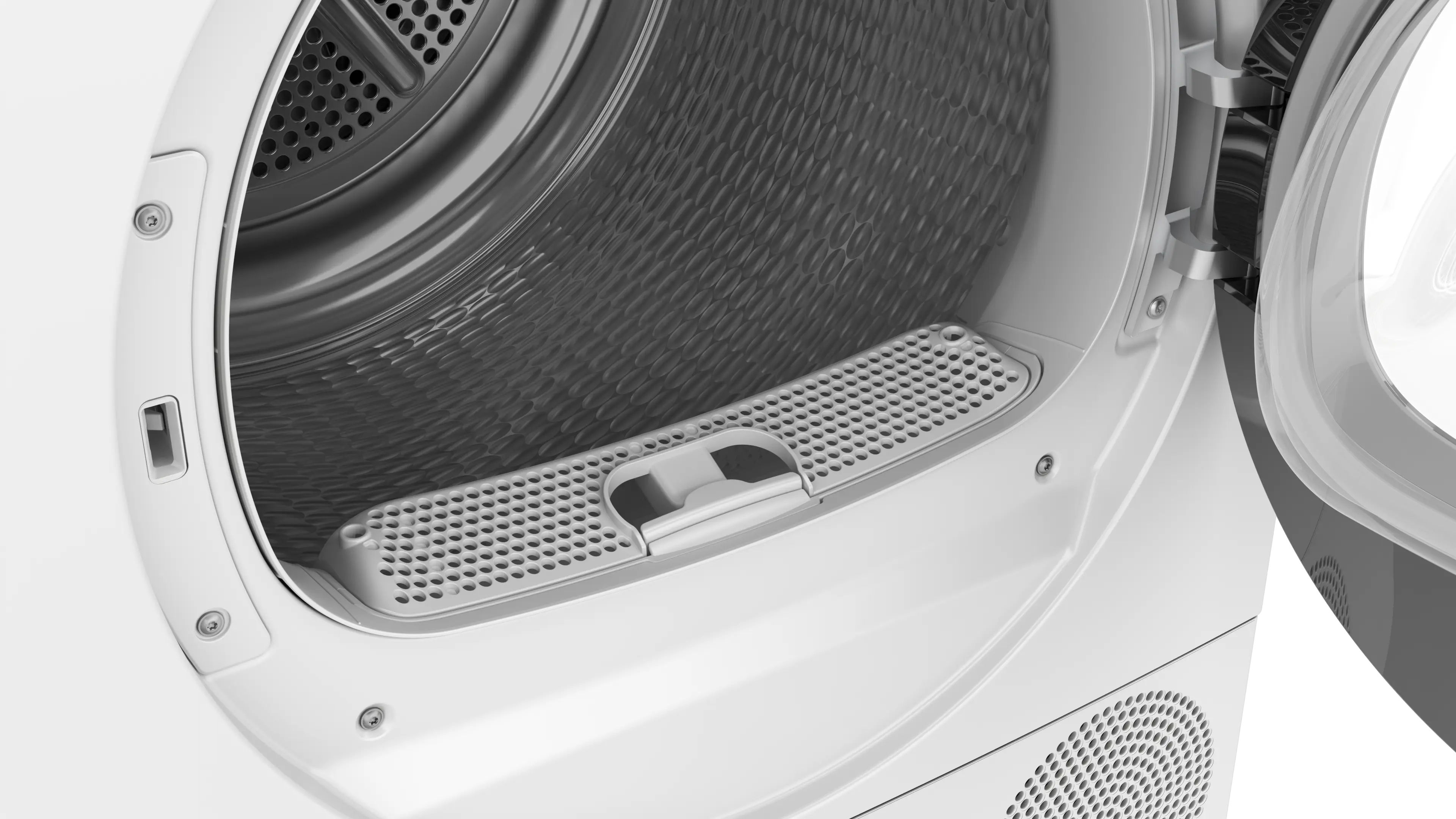
Start by deep cleaning the area beyond the removable screen. Use a shop vacuum with a crevice tool to remove loose lint from inside the trap slot. Wash the screen with warm, soapy water to remove fabric softener film that may restrict airflow.
Inspect the Drum for Trapped Items
Rotate the drum by hand and carefully look into the gaps between the drum and front and rear panels. Small items can slip into the dryer housing and scorch when they contact hot components.
Examine the Vent Hose
Detach the flexible hose from the back of the dryer and remove accumulated debris or lint clusters. While disconnected, make sure the hose is not crushed, kinked, or excessively long.
Look for Signs of Overheating
The dryer cabinet should not feel extremely hot during operation. Inspect the area around the power cord and terminal block for scorch marks or melted insulation. Persistent smoky, dusty, or acrid smells are warnings that internal components or trapped lint may be overheating.
Test Airflow at the Exterior Vent
While the dryer is running, verify that the exterior vent flap opens freely and that strong airflow exits the house. Clear obstructions such as bird nests, snow, leaves, or compacted lint.
How to Prevent Burning Smells in the Future
Clean the Lint Screen After Every Load
Cleaning the lint filter before and after every cycle is your first line of defense against overheating and fire risk. Occasionally scrub the screen with warm, soapy water and a soft brush to remove invisible film left behind by dryer sheets and fabric softeners.
Inspect the Vent System Every 6 to 12 Months
While the lint trap should be cleaned daily, the full exhaust system should be cleaned at least once a year. Large families, pet owners, and homes with long or twisting vent runs may need cleaning every six months.
Avoid Overloading the Dryer
Overloading prevents laundry from tumbling freely and can create hot spots that scorch fabric. For better airflow and safer drying, avoid packing the drum too tightly.
Schedule Annual Dryer Maintenance
Professional checkups can help identify worn belts, loose electrical connections, clogged internal areas, and failing components before they turn into fire hazards or expensive repairs.
Watch for Unusual Noises and Performance Changes
- Performance Issues: Clothes taking two or more cycles to dry or a cabinet that feels extremely hot may signal a clogged vent.
- Mechanical Sounds: Squealing or screeching may point to a seized idler pulley or worn drive belt.
- Grinding or Thumping: These sounds may indicate failing motor bearings or drum support rollers.
When It Is Better to Repair vs. Replace a Dryer
Deciding whether to call a technician or start shopping for a new dryer depends on the age of the appliance, the cost of the repair, safety risks, and how often the machine has needed service.
The 10 Year Rule
The age of your appliance is one of the most important factors. If your dryer is over 10 years old and needs a major repair, replacement may be the better long-term value. At that stage, other components may also be nearing the end of their usable life, and newer models may offer better efficiency and safety features.
When to Choose Repair
- The dryer is relatively young: Repair may make sense if the appliance is under 5 to 7 years old.
- The issue is minor: Belts, thermostats, clogged vents, and simple part failures may cost less than replacement.
- The dryer has been reliable: A single repair on a dependable model may be worthwhile.
When Replacement Is the Better Investment
- Major mechanical failure: Motor replacement or repeated overheating can make replacement more practical.
- Frequent repairs: Multiple service calls can quickly exceed the value of the appliance.
- Safety and efficiency upgrades: Modern dryers often include moisture sensors, improved airflow, and smart diagnostics.
Typical Dryer Repair Cost Comparison
| Repair Type | Estimated Total Cost |
|---|---|
| Belt or Pulley Replacement | $100 to $200 |
| Heating Element Repair | $150 to $300 |
| Thermostat Replacement | Under $100 in some cases |
| Motor Replacement | $250 to $500 |
If your repair estimate is more than 50 percent of the cost of a new dryer, upgrading may be the smarter choice. New models can offer better energy efficiency, improved safety features, moisture sensing, and smart diagnostics.
Recommended Dryers for Reliable Performance
If your current dryer is aging, overheating, or requiring frequent repairs, upgrading to a newer model can improve safety, performance, and long-term laundry efficiency.

LG 7.4 cu. ft. Electric Dryer DLEX4000B
The LG DLEX4000B delivers powerful drying performance, advanced AI technology, and a spacious capacity to handle large family laundry loads with ease.
Image Credit: Shop Appliances
View Product
Bosch 4 cu. ft. Electric Dryer WQB245B0UC
The Bosch WQB245B0UC uses energy-efficient heat pump technology to provide gentle fabric care while helping reduce energy consumption.
Image Credit: Shop Appliances
View Product
Samsung 7.5 cu. ft. Gas Dryer DVG45B6300W
The Samsung DVG45B6300W offers fast, efficient drying with gas-powered performance and smart features designed for busy households.
Image Credit: Shop Appliances
View Product
Element 4 cu. ft. Electric Dryer ECD4224EGW
The Element ECD4224EGW is a space-saving compact dryer that delivers reliable drying performance for apartments, condos, and small laundry areas.
Image Credit: Shop Appliances
View ProductConclusion
A burning smell is one of the most important warning signs your dryer can give you and should never be ignored. While the issue is often caused by lint buildup or restricted airflow, it can also signal a failing component that poses a serious fire risk.
By cleaning your lint system regularly, maintaining proper ventilation, and addressing unusual odors or noises as soon as they appear, you can improve drying performance, extend the life of your appliance, and help protect your home from potential hazards.
If the burning smell persists after cleaning, or if you notice smoke, electrical odors, or unusual mechanical sounds, stop using the dryer immediately and schedule professional service. Continuing to operate a malfunctioning dryer can lead to costly repairs and dangerous safety risks.
Ready for a Safer, More Reliable Laundry Room?
If your current dryer is aging, inefficient, overheating, or requiring frequent repairs, upgrading to a newer model may be the smartest long-term solution. Shop electric, gas, compact, and heat pump dryers at ShopAppliances.com to find a high-performance model built for reliable laundry care.
- Electric, gas, compact, and heat pump dryer options
- Trusted brands including LG, Bosch, Samsung, Element, and more
- Modern features such as moisture sensors, smart diagnostics, and gentle fabric care
- Expert support to help compare capacity, installation type, and energy efficiency
FAQs
Can lint buildup cause a dryer fire?
Yes. Lint is highly combustible, and buildup inside the lint trap, vent hose, dryer cabinet, or near the heating element can create a serious fire hazard. Cleaning the lint screen after every load and keeping the full ventilation path clear are the best ways to reduce risk.
Why does my dryer smell like burning rubber?
A burning rubber odor is usually caused by mechanical friction. Common causes include a worn drive belt, slipping belt, seized idler pulley, or an overloaded dryer that strains moving parts. If the smell continues, stop using the dryer and have it inspected.
How often should dryer vents be cleaned?
Dryer vents should usually be cleaned at least once a year. Homes with pets, large families, heavy laundry use, or long vent runs may need cleaning every six months to maintain safe airflow and reduce overheating risk.
Why does my dryer smell like burning after sitting unused?
If a dryer has not been used for a while, settled dust or lint may heat up during the first cycle and create a temporary burning dust smell. If the odor lasts more than a few minutes, becomes sharp or electrical, or returns repeatedly, stop using the dryer and inspect for a deeper issue.
Can a bad heating element cause a burning smell?
Yes. A failing heating element can short out, develop hot spots, or overheat due to restricted airflow. This may create a sharp burning odor, scorched clothing, or chronic overheating. Heating element issues should be inspected carefully and repaired before continued use.
Read More
- How to Clean Refrigerator Coils to Lower Energy Bills and Boost Efficiency
- How to Clean and Maintain Brass, Copper, Chrome, Bronze, Gold, and Decorative Appliance Trim Finishes
- How to Replace Filters and Understand Filter Alerts for HVAC, Air Purifiers, and Refrigerators
- How to Maintain Dishwasher Filters and Spray Arms
- How to Prevent Odor, Moisture, and Mold in Refrigeration Systems