
Eco-Conscious Appliances: Saving Money on Energy and Water

Eco-conscious living is no longer just a trend. It has become a smarter way for homeowners to reduce utility costs, improve efficiency, and create a more sustainable home. As electricity and water prices continue to rise, upgrading to energy-efficient appliances is one of the most practical ways to lower long-term household expenses without sacrificing everyday performance.
Today’s modern appliances are designed to do more while using less. From refrigerators that intelligently regulate cooling to dishwashers that conserve water and laundry appliances that reduce energy use, energy-efficient technology is transforming the way homeowners approach their kitchens and laundry rooms.
Why Eco-Conscious Appliances Matter
Eco-conscious appliances do more than reduce energy and water consumption. They help homeowners create a more efficient, cost-effective, and sustainable living environment. As utility costs continue to rise, investing in energy-efficient appliances can deliver meaningful savings while reducing your household’s environmental impact.
Environmental Benefits: Building a More Sustainable Home
One of the biggest advantages of energy-efficient appliances is their ability to reduce your home’s overall resource consumption. Modern refrigerators, dishwashers, washers, and dryers are designed to deliver powerful performance while using significantly less electricity and water than older models.
Many ENERGY STAR certified appliances incorporate advanced technologies that minimize waste without sacrificing everyday convenience. Modern dishwashers can clean a full load using far less water than hand-washing, while high-efficiency laundry appliances use optimized wash cycles, load sensing, and moisture detection to conserve resources.
Smart appliances further support sustainable living through remote monitoring, automated scheduling, and real-time energy management. These features help homeowners reduce unnecessary energy usage and take advantage of lower demand periods when electricity use is less taxing on local energy grids.
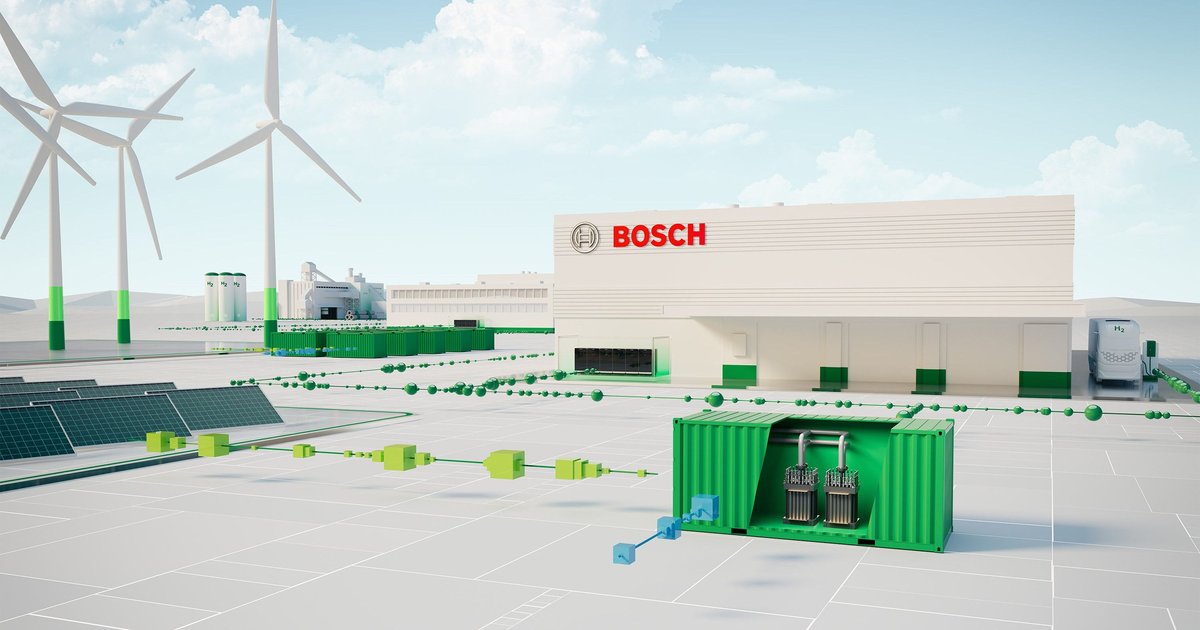
Sustainability also extends beyond appliance performance. Many leading manufacturers are investing in environmentally responsible operations, renewable energy, and long-term climate initiatives. Eco-conscious appliances are also often engineered for durability, helping reduce the environmental impact associated with frequent replacements.
Financial Benefits: Saving More Over Time
While energy-efficient appliances may sometimes carry a higher upfront cost, their long-term financial benefits often outweigh the initial investment. Lower utility consumption translates directly into lower monthly bills, helping homeowners recover their investment over the life of the appliance.
High-efficiency models can significantly reduce electricity and water usage, particularly in areas of the home where appliances operate daily. Upgrades such as heat pump dryers, induction ranges, and ENERGY STAR refrigerators are especially effective at lowering ongoing operating costs.
Energy-efficient improvements can also enhance your home’s value. Buyers increasingly view sustainable features and lower operating expenses as attractive benefits, making efficient appliances a worthwhile consideration for homeowners planning future resale.
Understanding Appliance ROI
When shopping for new appliances, it is easy to focus only on the sticker price. However, savvy homeowners look at the total cost of ownership. Return on investment, or ROI, compares how much a high-efficiency model can save in utility bills and potential home value increases against its initial cost.
How to Calculate Appliance Savings
To accurately determine your savings, look at the full financial picture of the appliance’s lifecycle.
- Purchase Cost: Include the unit price, installation labor, materials, and any necessary infrastructure upgrades.
- Annual Operating Costs: Review the EnergyGuide label and multiply estimated yearly kWh by your local utility rate.
- Appliance Lifespan: Most major appliances are expected to last many years, giving efficient models more time to recover the upfront investment.
- Maintenance Expenses: Routine upkeep, such as cleaning refrigerator coils or dryer vents, helps prevent wasted energy.
- Utility Savings Over Time: Compare lifetime energy and water savings against the original purchase cost.
Example ROI Comparison
| Appliance Type | Standard Model | High-Efficiency Model | ROI Insight |
|---|---|---|---|
| Clothes Dryer | Vented dryer with lower upfront cost and higher energy use | Heat pump dryer with higher upfront cost and lower energy use | Energy savings can help close the price gap over time. |
| Washing Machine | Top-load washer with lower upfront cost | Front-load washer with lower water use and stronger spin extraction | Lower operating costs can make front-load washers more cost-effective long term. |
| Dishwasher | Hand-washing or older dishwasher with higher water use | ENERGY STAR dishwasher with reduced water and energy use | Modern dishwashers can help reduce water waste and improve convenience. |
Best Energy-Efficient Kitchen Appliances
Investing in high-efficiency kitchen appliances is a smart move for your home’s performance and your wallet. Modern technology has reached a point where going green can also improve cooking, cooling, and cleaning performance.
Induction Ranges: Faster Cooking with Less Energy
Induction technology is one of the most efficient cooking upgrades for modern kitchens. Instead of heating the surrounding air, induction uses electromagnetic energy to heat compatible cookware directly. This results in faster response, improved control, and less wasted heat.
- Efficient heat transfer: Induction sends energy directly into the cookware for faster heating.
- High-speed performance: Direct energy transfer helps reduce boil times and improve responsiveness.
- Improved indoor comfort: Less wasted heat can help keep the kitchen cooler.
- Precision control: Induction excels at steady simmering, quick adjustments, and delicate cooking tasks.
Featured Induction Appliances
Induction cooking continues to be one of the most energy-efficient upgrades homeowners can make. By transferring heat directly to cookware instead of the surrounding air, induction appliances provide faster cooking times, greater temperature precision, and lower energy waste compared to traditional cooking methods.

GE Profile PHS700AYFS 30 Inch Stainless Steel Induction Range
The GE Profile PHS700AYFS combines ENERGY STAR certification with advanced induction technology for efficient, responsive cooking and precise temperature control.
Image Credit: Shop Appliances
View Product
Bosch NIT8661UC 800 Series 37 Inch Black Induction Cooktop
The Bosch NIT8661UC features a versatile Triple Ring Cooking Zone that accommodates multiple cookware sizes while delivering the precision induction is known for.
Image Credit: Shop Appliances
View Product
GE Profile PHS93EYPFS 30 Inch Stainless Steel Electric Range
The GE Profile PHS93EYPFS offers the speed and accuracy of induction cooking with ENERGY STAR certified efficiency for modern kitchens.
Image Credit: Shop Appliances
View Product
Bosch NIT8461UC 800 Series 24 Inch Black Induction Cooktop
The Bosch NIT8461UC delivers rapid, precise heating for efficient cooking control in compact or specialty kitchen layouts.
Image Credit: Shop Appliances
View ProductEnergy-Efficient Refrigerators
Your refrigerator is one of the hardest-working appliances in the home because it runs day and night. This constant operation makes efficiency especially important when comparing refrigerator models.
- Long-term savings: ENERGY STAR certified refrigerators are designed to reduce electricity use compared to older or less efficient models.
- Smart technology: Modern refrigerators use sensors and controls to optimize cooling performance in real time.
- Durability and performance: Efficient cooling systems may reduce strain on internal components over time.
Water-Saving Dishwashers
Modern dishwashers are engineered to be far more efficient than many hand-washing routines. ENERGY STAR dishwashers use efficient spray systems, sensors, filtration, and optimized cycles to clean dishes while reducing water and energy waste.
- Lower water use: Efficient dishwashers can clean a full load using far less water than washing dishes by hand.
- Eco mode: Eco cycles use lower temperatures and longer cleaning times to reduce electricity use while maintaining cleaning performance.
- Skip the pre-rinse: Modern dishwashers are designed to handle food particles, so scraping dishes is usually enough.
Smarter Laundry Room Upgrades
Upgrading your laundry room with modern, eco-conscious technology is one of the most effective ways to lower household overhead. Today’s high-efficiency machines are engineered to protect your clothes while cutting water and energy use.
Heat Pump Dryers: The Future of Efficiency
Heat pump dryers are a major advancement in laundry technology. Unlike traditional dryers that vent hot air outside, heat pump dryers capture, condense, and reuse warm air in a closed-loop system.
- Closed-loop technology: Warm air is recycled instead of exhausted outside.
- Energy savings: Heat pump dryers use less energy than many standard electric dryers.
- Gentler fabric care: Lower drying temperatures help reduce fabric stress.
- Ventless flexibility: Many heat pump dryers can be installed without exterior ducting.
Front-Load Washers: Premium Performance
While top-load washers remain familiar, modern front-load washers are known for cleaning performance, lower water use, and efficient spin extraction.
- Lower water usage: Front-load washers are designed to use less water than many traditional models.
- Faster drying support: High-speed spin cycles remove more water from fabrics before drying.
- Superior fabric care: The tumbling wash action is generally gentler than many agitator designs.
- Strong long-term value: Lower operating costs can make front-load washers a smart long-term investment.
Front-Load vs. Top-Load Washers
| Feature | Top-Load Washers | Front-Load Washers |
|---|---|---|
| Upfront Cost | Often lower | Often higher |
| Water Usage | Usually higher than front-load models | Usually lower due to tumbling wash action |
| Dryer Support | Spin extraction varies by model | High-speed spin cycles can reduce drying time |
| Long-Term Efficiency | Good for budget-focused buyers | Strong choice for long-term operating savings |
Everyday Habits That Maximize Appliance Efficiency
Optimizing your daily routine is one of the fastest ways to see a return on your appliance investment. These simple habits can reduce energy and water waste while helping your appliances perform better.
Use Eco Modes Whenever Possible
Modern appliances are designed with eco modes that prioritize resource conservation over speed. While these cycles often take longer, they are engineered to be efficient and cost-effective for everyday cleaning.
- Lower temperature operation: Eco modes use lower heat and longer cycle times to clean efficiently.
- Reduced electricity consumption: Lower water heating demand can reduce energy usage.
- Long-term durability: Slower heating ramps can reduce stress on internal components.
Skip the Pre-Rinse
Many homeowners believe pre-rinsing dishes is necessary, but this habit can waste water. Newer dishwashers are equipped with soil sensors, filtration systems, and modern detergents designed to handle food particles. Simply scraping large food scraps into the trash is usually sufficient.
Keep Appliances Maintained
A neglected appliance has to work harder, which can lead to higher utility bills and a shorter lifespan. Routine maintenance is essential for peak efficiency.
- Clean refrigerator coils: Dust and debris force the refrigerator to work harder to maintain cool temperatures.
- Maintain dryer airflow: Clean the lint filter after every cycle and check the exterior vent regularly.
- Clean appliance filters: Check dishwasher, washer, and heat pump dryer filters according to the manufacturer’s instructions.
- Inspect seals and gaskets: Tight seals help prevent cool air or heat from escaping.
Smart Home Technology and Efficiency
Smart technology is no longer just a luxury feature. It can also be an eco-conscious choice for households looking to reduce waste, conserve energy, and make daily routines more efficient. Smart appliances can track energy use, adjust cycles based on load size or soil level, and run during off-peak hours when electricity demand may be lower. Features like remote monitoring, maintenance alerts, and automatic shutoff can also help prevent unnecessary water or energy use. Instead of simply adding convenience, smart appliances give homeowners more control over how much energy they consume, making them a practical part of a more sustainable home.
Wi-Fi Enabled Appliances: Total Control at Your Fingertips
- Remote monitoring: Smartphone apps let you check appliance status and reduce unnecessary energy waste.
- Energy tracking: Some smart appliances provide energy usage insights through mobile apps.
- Smart scheduling: Connected appliances can help schedule energy-heavy cycles during off-peak hours when available.
AI and Sensor Technology
Artificial intelligence and advanced sensor technology are helping today’s appliances operate more efficiently than ever before. By automatically adjusting settings based on real-time conditions, smart appliances can optimize performance, reduce energy and water consumption, and eliminate much of the guesswork from everyday household tasks.
- Adaptive washing and drying: Smart laundry appliances can detect moisture levels, fabric types, and load sizes.
- Load sensing technology: Dishwashers and washing machines can adjust water levels, wash intensity, and cycle duration.
- Intelligent temperature control: Smart refrigerators, ranges, and wall ovens monitor temperatures to improve performance and efficiency.
Explore Smart Appliances
Upgrade your home with connected appliances designed to improve convenience, efficiency, and performance.
As smart home technology continues to evolve, connected appliances make it easier to reduce utility costs, streamline household tasks, and maintain a more energy-efficient home.
Federal Tax Credits and Rebates for Energy-Efficient Appliances
Upgrading your home with eco-conscious appliances can be a smart financial move, especially when rebates or tax incentives are available. Depending on the product, location, and installation type, homeowners may qualify for federal tax credits, state programs, local utility rebates, or manufacturer promotions.
Available Incentives
- Federal tax credits: Certain high-efficiency upgrades may qualify for federal incentives based on current program rules.
- Heat pump incentives: Heat pump technology may qualify for specific rebates or credits depending on the appliance category and location.
- Electrical upgrades: Some home electrical improvements may qualify when required to support eligible efficient equipment.
- Local utility rebates: Many utility companies offer rebates for ENERGY STAR rated products.
How to Check Eligibility
- Look for ENERGY STAR certification: This is one of the most important indicators of efficiency.
- Review manufacturer documentation: Keep model numbers, receipts, and efficiency documentation for your records.
- Check local utility programs: Utility rebates vary by region and may change over time.
- Confirm current tax rules: Incentive requirements can change, so verify eligibility before purchasing.
Choosing the Right Eco-Conscious Appliance for Your Home
Selecting the right appliance is a major financial decision that impacts your household budget for years. To get the best return on your investment, evaluate your daily habits, installation requirements, maintenance expectations, and long-term utility costs.
Questions to Ask Before Buying
- How large is your household?
- How much are electricity and water costs in your region?
- Does the appliance require special installation?
- What maintenance will the appliance need over time?
Features Worth Paying For
- Inverter compressors
- Heat pump technology
- Induction cooking
- Soil sensors
- Smart diagnostics
Common Myths About Energy-Efficient Appliances
Myth: Eco Modes Do Not Clean as Well
Eco modes are often effective for everyday cleaning. While the cycle time may be longer, the extended duration allows detergent enzymes more time to break down food particles and stains at lower temperatures. Quick cycles may use more water and energy per minute because the appliance must work harder to achieve faster results.
Myth: Hand-Washing Saves More Water
Hand-washing can use far more water than a modern efficient dishwasher, especially when the faucet runs continuously. A modern ENERGY STAR dishwasher is designed to clean a full load with significantly less water while also sanitizing dishes at temperatures that are difficult to maintain by hand.
Myth: Efficient Appliances Are Too Expensive
While eco-friendly models may have a higher upfront price, they are designed to be long-term investments. Reduced utility bills, fewer wasted resources, and available rebate programs can help offset the purchase price over time.
Myth: Gas Cooking Is Always Better
Gas cooking remains popular, but induction technology offers excellent efficiency, speed, and precision. Because induction transfers energy directly to the cookware, less heat escapes into the kitchen, and the cooking surface responds quickly to temperature changes.
Final Thoughts: Investing in Long-Term Savings
Eco-conscious appliances offer homeowners a practical way to lower utility expenses while supporting a more sustainable home. By using less electricity and water, today’s high-efficiency models help reduce long-term operating costs without compromising everyday performance.
Simple upgrades like switching to induction cooking, upgrading laundry appliances, or replacing aging refrigerators can make a noticeable difference in annual utility costs while improving efficiency throughout the home. Innovations such as inverter compressors, adaptive sensors, and precision temperature controls have transformed modern appliances into smarter, more efficient solutions for everyday living.
Ready to Upgrade Your Home Efficiency?
Explore energy-saving appliances designed to lower utility costs while delivering premium performance. Shop ENERGY STAR certified refrigerators, induction ranges, efficient dishwashers, smart laundry appliances, and heat pump dryers at ShopAppliances.com to create a smarter, more sustainable home.
- Premium energy-efficient kitchen and laundry appliances
- Smart appliance options for connected homes
- Induction cooking, efficient refrigeration, and advanced dishwashing solutions
- Expert support to help compare features and long-term value
FAQs
Are energy-efficient appliances worth the upfront cost?
Yes, energy-efficient appliances can be worth the upfront cost because long-term utility savings, improved performance, potential rebates, and added home value may help offset the initial price over time.
What appliance uses the most electricity in a home?
Aside from heating and cooling systems, clothes dryers are often among the most energy-intensive household appliances. Refrigerators also use energy continuously because they run day and night.
Do induction ranges save money?
Induction ranges can help reduce wasted heat and improve cooking efficiency because energy transfers directly into compatible cookware. Actual savings depend on your cooking habits, utility rates, and previous appliance type.
How much water does an ENERGY STAR dishwasher save?
ENERGY STAR dishwashers are designed to use significantly less water than many hand-washing routines and older dishwashers. They can help reduce household water waste while improving cleaning convenience.
Are heat pump dryers better than vented dryers?
Heat pump dryers are generally better for energy efficiency and fabric care. They use a closed-loop drying system, operate at lower temperatures, and often do not require exterior venting.
How long do energy-efficient appliances last?
Energy-efficient appliances can last many years when properly installed and maintained. Lifespan depends on the appliance category, brand, usage habits, and routine care.
Can I get tax credits for ENERGY STAR appliances?
Some energy-efficient home upgrades may qualify for federal tax credits, local rebates, or utility incentives. Eligibility depends on the product type, efficiency rating, installation requirements, location, and current program rules.
What is the best eco-friendly appliance brand?
Strong eco-conscious appliance brands often include Bosch, LG, GE Profile, Samsung, and other manufacturers known for efficient technology, smart features, and reliable appliance performance.
Read More
- Café vs Viking French Door Wall Ovens: Which Luxury Oven Is Best for Your Kitchen?
- Energy Efficiency Through the Decades: How EPA Standards Changed Appliance Manufacturing
- The Ultimate Guide to Coin Operated Laundry Machines and Top Commercial Brands
- The History of the Washing Machine: How We Moved from Scrub Boards to App Controlled Laundry
- The Rise of Smart Appliances: A Look Back at the First Connected Devices