
How to Choose the Right Dishwasher (Complete Buying Guide 2026)

Choosing the right dishwasher can save you time, reduce water usage, and improve your kitchen experience. With so many models, features, and price points available, it can feel overwhelming to decide which one is right for your home.
This dishwasher buying guide will walk you through everything you need to know, including size, types, pricing, features, and the most reliable brands so you can make a confident decision.
Dishwasher Size Guide (18 vs 24 Inch)
Selecting the right size is the first and most important step.
Standard 24-Inch Dishwashers
These are the most common and best suited for families or households that run frequent loads. They typically hold 12 to 16 place settings and fit standard kitchen layouts.
Compact 18-Inch Dishwashers
If you live in an apartment or have a smaller kitchen, an 18 inch dishwasher is a great option. It saves space while still offering solid cleaning performance.
Portable and Countertop Dishwashers
Portable and countertop models are ideal for renters or kitchens without built-in connections. They are easy to install and require minimal space.
Types of Dishwashers Explained
Understanding the different types helps you match your kitchen setup and lifestyle.
| Type | Best For | Installation | Space Needed | Capacity | Pros | Cons |
|---|---|---|---|---|---|---|
| Built-In | Families, daily use | Permanent (under counter) | Cabinet space (24" or 18") | 12 to 16 place settings | Large capacity, quiet, seamless design, more features | Requires installation, not renter-friendly |
| Portable | Renters, flexible use | Temporary (connects to faucet) | Floor space | 10 to 12 place settings | No permanent install, movable, affordable | Takes up space, slightly noisier |
| Countertop | Small kitchens, singles | Temporary (connects to faucet) | Counter space | 4 to 6 place settings | Compact, easy setup, low water use | Limited capacity, uses counter space |
| Drawer | Modern kitchens, small loads | Permanent | Cabinet space | 6 to 14 place settings | Flexible loading, energy efficient, stylish | Expensive, smaller per drawer |
| Compact | Small families, apartments | Permanent | Narrow cabinet space | Up to 8 place settings | Space-saving, built-in look | Smaller capacity than standard |
| Freestanding | Flexible placement homes | Varies (can be standalone) | Varies | Similar to built-in | Flexible positioning, easier setup | May not integrate seamlessly |
Dishwasher Price Guide (What Should You Spend?)
Your budget determines the features and performance you can expect.
Budget ($300 to $600)
Basic cleaning functions with fewer cycles and higher noise levels. Suitable for light use.
Mid-Range ($600 to $900)
Better build quality, quieter operation, and more wash options.
High-End ($900 to $1,500+)
Premium materials, ultra quiet performance, smart features, and advanced cleaning technologies.
Key Dishwasher Features to Look For
When comparing models, focus on features that improve performance and convenience.
- Energy efficiency with ENERGY STAR certification
- Noise level measured in dBA
- Adjustable racks for flexible loading
- Multiple wash cycles such as heavy, eco, and quick
- Soil sensors that adjust water usage
- Smart connectivity for remote control and alerts
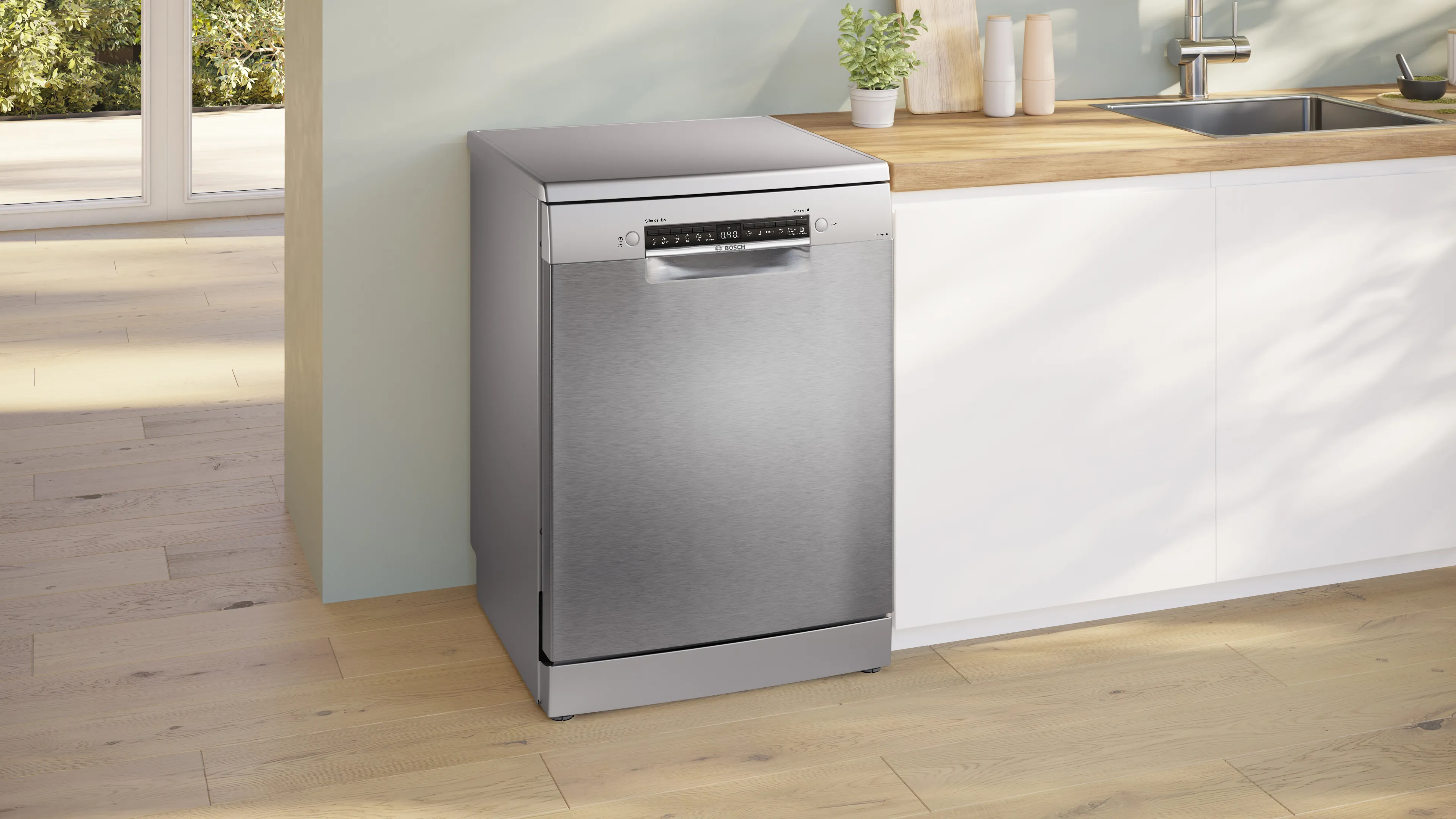
What Is a Quiet Dishwasher? (Noise Levels Explained)
Noise level is especially important in open kitchens.
- 50 dBA or less is considered quiet
- 44 dBA or less is very quiet
A quieter dishwasher allows you to run cycles anytime without disruption.
Most Reliable Dishwasher Brands
Choosing a trusted brand ensures long term performance and fewer repairs.


How Long Do Dishwashers Last?
Most dishwashers last between 8 to 12 years, depending on usage, build quality, and maintenance.
Regular care can significantly extend the lifespan of your appliance. This includes cleaning the filter, using the right detergent, and avoiding overloading.
If you want to get the most out of your investment, check out our complete guide on how to maintain your dishwasher and extend its lifespan.
Do You Need to Pre-Rinse Your Dishes?
One common question when choosing a dishwasher is whether you need to rinse dishes before loading them.
Modern dishwashers are designed to handle food residue, but performance depends on the model.
- Basic models may require light rinsing to prevent clogs and ensure proper cleaning
- Higher-end models often include advanced filtration systems
If you prefer not to rinse dishes, look for models with a hard food disposer. This feature grinds food particles, preventing them from redepositing on dishes and reducing maintenance.
This is a valuable upgrade if convenience is a priority.
Stainless Steel vs Plastic Tub
Choosing the right tub material affects durability and performance.
Stainless Steel Tub
- More durable
- Quieter operation
- Better drying performance
Plastic Tub
- Lower upfront cost
- Lightweight
- Less effective drying
Which One Should You Choose?
If your budget allows, stainless steel is the better long term investment. Plastic tubs are suitable for budget conscious buyers.
Dishwasher Interior and Rack Design
Beyond size, the internal layout of a dishwasher plays a big role in everyday usability.
Why a Third Rack Matters
A third rack provides additional space for utensils, small items, and flatware. This helps:
- Free up space in the lower racks
- Improve cleaning organization
- Increase overall capacity without increasing size
If you frequently run full loads, a third rack can make a noticeable difference.
You can explore models with this feature here:


Are Smart Dishwashers Worth It?
Smart features are not essential, but they can add convenience.
They are useful for:
- Remote control through apps
- Cycle notifications
- Maintenance alerts
Energy Efficiency and Water Usage
Modern dishwashers are more efficient than hand washing.
- ENERGY STAR models use less water and electricity
- Lower utility bills over time

Installation Requirements
Before purchasing, make sure your kitchen is ready.
- Measure available space carefully
- Ensure proper water line and drainage
- Check electrical requirements
- Confirm cabinet compatibility
Read more: Appliance Delivery Checklist: How to Ensure Your Fridge, Washer, or Oven Fits Through Any Door
Frequently Asked Questions
What size dishwasher do I need?
Most homes use a 24 inch model, while smaller kitchens benefit from 18 inch or portable options.
How quiet should a dishwasher be?
Look for models at 50 dBA or lower for quiet operation.
Are expensive dishwashers worth it?
Higher priced models offer better durability, quieter performance, and advanced features.
Is stainless steel worth it?
Yes, it provides better drying and longer lifespan.
What dishwasher should I buy?
Choose based on your space, budget, and preferred features, with brands like Bosch and KitchenAid being strong options.
Choosing the right dishwasher comes down to a few key decisions:
- Size that fits your kitchen
- Type that matches your setup
- Budget that aligns with your needs
- Features that improve convenience
- Brand reliability
When you focus on these essentials, you are not just buying an appliance. You are investing in long term performance, efficiency, and everyday convenience.
If you are ready to take the next step, explore top rated models, compare features, and find the best option for your home in our complete guide:
The Best Dishwashers of 2026: The Ultimate Guide to Sparkling Clean Dishes
Make a confident choice and upgrade your kitchen with a dishwasher that truly fits your lifestyle.