
The Ultimate Monthly Appliance Maintenance Checklist

Investing a small amount of time into monthly appliance maintenance is one of the smartest ways to protect your home's most expensive investments and avoid costly repair bills. Simple, proactive tasks like descaling your washing machine, cleaning refrigerator coils, and clearing dryer vents can help prevent expensive mistakes that may cost hundreds or even thousands of dollars to fix.
Most essential maintenance projects can be completed in under an hour each month, with many high impact tasks taking as little as 15 to 20 minutes. By following a structured checklist, you can improve daily performance, support energy efficiency, extend appliance lifespan, and reduce major home safety risks such as dryer fires and water damage.
What Is a Monthly Appliance Maintenance Checklist?
A monthly appliance maintenance checklist is a routine schedule of cleaning, inspection, and preventative care tasks designed to improve appliance efficiency, extend lifespan, reduce energy consumption, and help homeowners avoid costly repairs. Common monthly tasks include cleaning dishwasher filters, inspecting dryer vents, wiping refrigerator door seals, descaling washing machines, and replacing HVAC air filters.
Why Monthly Appliance Maintenance Saves Money
Prevent Costly Repairs Before They Start
Neglecting basic maintenance often leads to failures that are far more expensive than routine care. Overloading a washing machine, ignoring dishwasher filter cleaning, or allowing refrigerator coils to collect dust can strain major components and shorten appliance lifespan. Regular maintenance helps prevent problems before they become professional repair calls.
Improve Energy Efficiency
Small maintenance tasks have a direct impact on utility bills. Limescale, dirty refrigerator coils, worn door seals, and clogged dryer vents can all force appliances to work harder. When airflow, seals, filters, and heating elements are kept clean, appliances can operate more efficiently and use less energy.
Extend Appliance Lifespan
Routine maintenance is one of the most effective ways to protect your investment. Simple habits such as monthly washing machine cleaning, regular refrigerator coil care, and dryer vent inspection help keep motors, compressors, pumps, and heating components working properly over time.
Enhance Home Safety
Monthly maintenance is also an important part of home safety. Lint buildup in dryer vents is a major fire risk, while worn washing machine hoses can lead to leaks and water damage. Regular cleaning also helps prevent mold and mildew in damp areas like dishwasher seals and washing machine gaskets.
Monthly Kitchen Appliance Maintenance Checklist
Keeping your kitchen appliances in top shape improves daily performance while helping protect your investment. Use this monthly guide to maintain the appliances you rely on every day.
Dishwasher Maintenance
Clean the Dishwasher Filter
- Action: Twist out the filter located at the bottom of the tub, rinse it under warm running water, and gently scrub it with a soft brush.
- Benefit: This removes trapped food particles, prevents foul odors, and helps keep debris from redepositing onto clean dishes.
Inspect and Clean Spray Arms
- Action: Check the small holes in the spray arms for mineral deposits or food bits and clear clogs with a toothpick or small brush.
- Benefit: Clean jets support proper water distribution and pressure for a thorough wash.
Run a Maintenance Cycle
- Action: Run a hot water cycle with two cups of white vinegar in a dishwasher safe bowl on the top rack, followed by a short cycle with baking soda.
- Benefit: This helps dissolve grease and mineral buildup that detergent alone may not remove.
Wipe Door Seals
- Action: Wipe around the rubber gasket with a damp cloth and mild soapy water.
- Benefit: Maintaining these seals helps prevent leaks and stops mold or mildew from growing in hidden crevices.

Refrigerator Maintenance
Clean Exterior Surfaces and Control Panels
- Action: Wipe down the exterior and handles with mild soap or a dedicated stainless steel cleaner.
- Benefit: Regular cleaning prevents grime buildup and keeps control panels responsive.
Wipe Door Gaskets
- Action: Clean the rubber door seals with warm soapy water and dry them completely.
- Expert Tip: Try the paper test. Close the door on a piece of paper. If it slides out easily, your seal may be failing.
- Benefit: Airtight seals prevent cold air from escaping, which reduces energy waste and keeps the compressor from overworking.
Check Interior Temperature Settings
- Action: Make sure your refrigerator is set between 37 and 40 degrees Fahrenheit and your freezer is at 0 degrees Fahrenheit.
- Benefit: These levels support food safety while preventing unnecessary energy consumption.
Clean Refrigerator Coils
- Action: Vacuum or brush the condenser coils every six months, or more frequently if you have pets.
- Benefit: Dust covered coils force the compressor to work harder, increasing energy consumption and shortening appliance lifespan.
- Expert Tip: Unplug the refrigerator before cleaning and locate the coils either behind the unit or beneath the toe grille.

Oven and Range Maintenance
Wipe Interior Surfaces
- Action: Clean the oven interior monthly using a manual technique with baking soda, vinegar, or lemon juice.
- Benefit: Preventing grease accumulation reduces smoke and improves overall cooking performance.
Clean Burner Areas
- Action: Remove food debris from burners and stove surfaces weekly.
- Benefit: Clean burners help ensure even heating and reduce ignition issues.
Avoid Overusing the Self Clean Cycle
- Why Experts Recommend Caution: The self clean cycle can reach extremely high temperatures.
- Potential Risks: Extreme heat can damage heating elements, heat diffusers, and sensitive electronics.

Garbage Disposal Maintenance
Flush and Clean the Disposal
- Action: Run cold water while operating the disposal and periodically grind ice cubes to help remove buildup.
- Benefit: Helps prevent odors and improves grinding performance.
Remove Odors Naturally
- Action: Grind lemon peels or use a disposal cleaner monthly.
- Benefit: Eliminates unpleasant smells and keeps the disposal fresh.
Avoid Common Disposal Mistakes
- Do Not Dispose Of: Grease, coffee grounds, pasta, rice, bones, or fibrous vegetables.
- Benefit: Prevents clogs and extends motor life.
Microwave Maintenance
Clean Interior Surfaces
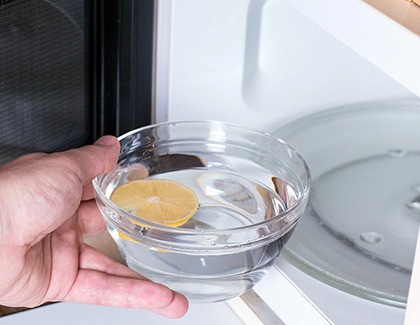
- Action: Heat a bowl of water with lemon slices for several minutes and wipe away loosened food residue.
- Benefit: Prevents odors and improves cooking performance.
Inspect Door Seals
- Action: Check the door gasket and latch for damage.
- Benefit: Ensures proper operation and safe containment of microwave energy.
Clean Air Vents
- Action: Remove dust from ventilation openings using a soft brush or vacuum attachment.
- Benefit: Prevents overheating and promotes efficient operation.
Monthly Laundry Appliance Maintenance Guide
Your laundry room appliances are some of the hardest-working machines in your home. Maintaining a regular monthly routine helps prevent major repair expenses, improve efficiency, and extend the lifespan of your washer and dryer.
Washing Machine Maintenance
Run a Cleaning Cycle
- Action: Every 30 days or 30 cycles, run a dedicated cleaning cycle using a washer cleaner or a vinegar solution.
- Benefit: Removes detergent residue, mineral buildup, and odor-causing bacteria to keep your washer performing at its best.
Clean the Detergent Dispenser
- Action: Remove the detergent drawer and wipe it down monthly to clear away hardened soap and fabric softener residue.
- Benefit: Prevents clogs and ensures detergent flows properly during every wash cycle.
Wipe the Door Gasket
- Action: For front-load washers, wipe the rubber door gasket with a damp cloth and leave the door slightly open between loads.
- Benefit: Helps prevent mold, mildew, and unpleasant odors while extending the life of the door seal.
Descale for Hard Water Areas
- Action: If you live in a hard water area, use a washing machine descaler once a month to remove mineral deposits.
- Benefit: Prevents limescale buildup that can reduce efficiency, clog internal components, and shorten the lifespan of the appliance.
Avoid Overloading the Washer
- Action: Wash heavy items, such as rugs, bath mats, and weighted blankets, in smaller loads according to the manufacturer's recommendations.
- Benefit: Reduces strain on the motor, suspension, bearings, and drum components, helping prevent costly repairs.
Dryer Maintenance
Clean the Lint Trap
- Action: Remove lint from the lint filter before or after every drying cycle.
- Benefit: Maintains proper airflow, improves drying efficiency, reduces energy consumption, and lowers the risk of dryer fires.
Inspect and Clean the Dryer Vent
- Action: Inspect the dryer vent and exhaust duct monthly for lint buildup or obstructions, and clean them as needed.
- Benefit: Promotes proper airflow, shortens drying times, improves efficiency, and significantly reduces fire hazards.
Check the Vent Hose
- Action: Examine the vent hose behind the dryer for kinks, crushed sections, loose connections, or damage.
- Benefit: Ensures efficient airflow, reduces drying times, and helps prevent overheating of the dryer.
Inspect Dryer Drum Seals
- Action: Check the drum seals for cracks, gaps, or excessive wear.
- Benefit: Prevents heat loss, improves drying performance, and helps maintain the dryer's energy efficiency.
Home Comfort and HVAC Maintenance Guide
Maintaining your home's heating and cooling system is just as important as caring for your kitchen and laundry appliances. Regular maintenance helps improve energy efficiency, extends equipment lifespan, and keeps your home comfortable year-round.
Replace HVAC Air Filters
| Filter Type | Recommended Replacement |
|---|---|
| Fiberglass Filters | Every 30 days |
| Pleated Filters | Every 60 to 90 days |
| HEPA Filters | Every 6 to 12 months |
- Action: Replace or inspect your HVAC air filter according to the manufacturer's recommendations and your household conditions.
- Benefit: Clean air filters improve airflow, reduce strain on your HVAC system, lower energy consumption, and help maintain better indoor air quality. Homes with pets, allergies, or high dust levels may require more frequent filter changes.
Check Air Vents and Registers
- Action: Vacuum dust from supply and return vents, and ensure furniture, rugs, or curtains are not blocking airflow. Remove debris from outdoor condenser units as needed.
- Benefit: Proper airflow helps your HVAC system operate efficiently, maintains consistent temperatures throughout your home, and can reduce monthly energy costs.
Inspect Thermostat Performance
- Action: Verify that your thermostat is accurately maintaining your desired temperature, replace batteries if needed, and review energy-saving or programmable settings.
- Benefit: A properly functioning thermostat improves comfort, prevents unnecessary HVAC cycling, and helps reduce energy usage throughout the year.
Monthly Appliance Maintenance Schedule at a Glance
| Appliance | Monthly Task |
|---|---|
| Dishwasher | Clean filter, clean spray arms, and run a cleaning cycle |
| Refrigerator | Clean seals, wipe surfaces, and verify temperatures |
| Oven | Wipe interior and clean burners |
| Washing Machine | Run cleaning cycle and clean gasket and dispenser |
| Dryer | Clean vent hose and inspect airflow |
| HVAC System | Replace air filter and inspect vents |

Image Credit: Shop Appliances
Expensive Appliance Maintenance Mistakes to Avoid
Ignoring Refrigerator Door Seals
- Increased Energy Consumption: Dirty or damaged gaskets allow cold air to escape, forcing the refrigerator to run longer.
- Compressor Strain: Failed gaskets can cause the compressor to overwork and may lead to premature mechanical failure.
Skipping Dryer Vent Cleaning
- Fire Hazards: Lint buildup can ignite near a heating element or gas flame.
- Longer Drying Times: Clogged vents restrict airflow, increase drying times, and put unnecessary stress on the machine.
Overloading Washing Machines
- Excess Wear on Mechanical Components: Heavy overloaded items can strain bearings, brackets, and other internal parts.
Neglecting Hard Water Descaling
- Reduced Efficiency and Unexpected Failures: Mineral buildup can coat heating elements, restrict water flow, and force appliances to work harder.
Relying Too Heavily on Oven Self Cleaning Features
- Potential Damage to Heating Components: Extreme temperatures can damage heating elements and heat diffuser panels.
- Electronic Failure: High heat can also damage sensitive oven electronics.
Signs Your Appliance Needs Professional Service
Refrigerator Warning Signs
- Inconsistent Temperatures: If the unit is not cooling properly despite clean coils, it may have a thermostat or compressor issue.
- Excessive Noise: Loud humming, buzzing, or clicking sounds may indicate a failing motor or fan.
- Visible Issues: Frost buildup or water pooling under the appliance may signal drainage or sealing problems.
Dishwasher Warning Signs
- Poor Cleaning Performance: Gritty, cloudy, or food covered dishes after filter cleaning may indicate a pump issue.
- Standing Water: A dishwasher that is not draining may have a clogged drain area or failing drain pump.
Washer and Dryer Warning Signs
- Unusual Vibrations: Excessive vibration after leveling may indicate worn suspension systems or damaged internal parts.
- Burning Odors: A burning smell during operation is a critical warning sign and should be addressed immediately.
HVAC Warning Signs
- Reduced Airflow: A significant drop in output despite new filters may suggest a blockage or mechanical problem.
- Unexpected Energy Bill Increases: A sudden utility spike may signal internal wear or failing sensors.
When Should You Repair or Replace an Appliance?
Regular maintenance extends appliance life, but every appliance eventually reaches the point where replacement becomes the better investment.
| Consider Repairing If | Consider Replacing If |
|---|---|
| The appliance is less than 8 years old | Repair costs exceed 50 percent of replacement cost |
| Repair costs are less than 50 percent of replacement cost | Multiple repairs have been needed recently |
| The unit has a history of reliable performance | Energy bills continue increasing despite maintenance |
| The appliance still fits your household needs | The appliance is approaching the end of its expected lifespan |
Modern ENERGY STAR appliances may also offer significant energy savings compared to older models.
Downloadable Monthly Appliance Maintenance Checklist
Use this monthly appliance maintenance checklist as a quick reference for your kitchen, laundry room, and home comfort systems. Save it, print it, or keep it bookmarked so you can complete the most important appliance care tasks on a consistent schedule.
Kitchen Checklist
- Clean dishwasher filter
- Inspect dishwasher spray arms
- Run dishwasher cleaning cycle
- Wipe dishwasher door gasket
- Clean refrigerator shelves
- Wipe refrigerator door seals
- Verify refrigerator temperature
- Wipe oven interior
- Clean cooktop burners
- Clean microwave interior
- Freshen garbage disposal
Laundry Room Checklist
- Run washing machine cleaning cycle
- Clean detergent dispenser
- Wipe washer door gasket
- Descale washer if needed
- Empty dryer lint filter
- Inspect dryer vent hose
- Check dryer airflow
- Inspect dryer drum seal
Home Comfort Checklist
- Replace or inspect HVAC air filter
- Vacuum air vents
- Check thermostat settings
- Inspect outdoor AC unit for debris
Every 6 Months
- Clean refrigerator condenser coils
- Deep clean dryer vent
- Inspect washer hoses
- Replace refrigerator water filter
Once Per Year
- Schedule HVAC maintenance
- Pull appliances away from the wall and clean behind them
- Inspect power cords
- Check water supply lines
Recommended Appliance Maintenance Products
Keeping a few essential maintenance products on hand makes monthly appliance care faster and more effective.
Helpful Maintenance Supplies
Using manufacturer approved cleaning products can help maintain performance and protect appliance warranties.
Conclusion
By following a consistent monthly maintenance schedule, you can help your appliances perform better while extending their usable life. These simple, manageable tasks may lower utility bills, improve efficiency, and prevent expensive problems before they require a professional repair.
Prioritizing proactive prevention over reactive service calls also helps reduce the stress of sudden breakdowns and major home safety risks, such as dryer fires or water damage. Investing just 15 to 20 minutes each month can be a high impact strategy for protecting your home and appliances.
Upgrade and Maintain Your Home with ShopAppliances.com
Whether you are maintaining your current appliances or planning to replace an older model, ShopAppliances.com offers premium kitchen, laundry, HVAC, and home appliances designed for long term performance.
- Shop refrigerators, dishwashers, ovens, washers, dryers, and HVAC products
- Compare trusted appliance brands and energy efficient models
- Find smart appliances built for modern homes
- Get expert support when choosing the right replacement appliance
FAQs
How often should I clean appliance filters?
For optimal performance, most manufacturers recommend cleaning your dishwasher filter once a month. HVAC and AC filters should also be replaced or cleaned regularly based on filter type and household conditions. Your dryer’s lint trap should be cleared after every load to maintain airflow and reduce fire risk.
Is vinegar safe for cleaning appliances?
Yes, white vinegar can be an effective cleaner for many appliances, especially for dissolving grease and mineral buildup in dishwashers, refreshing washing machine drums, and wiping refrigerator interiors. Never mix vinegar with bleach or products containing bleach because the combination creates dangerous fumes.
How do I know if my dryer vent is clogged?
Common signs of a clogged dryer vent include longer drying times, overheating, the dryer shutting off mid cycle, a burning smell, or the dryer cabinet feeling unusually hot. If these signs appear, stop using the dryer until airflow is inspected.
How often should I descale appliances in hard water areas?
In hard water areas, monthly descaling can help prevent calcium and magnesium buildup from coating heating elements, clogging pipes, and reducing appliance efficiency.
Can regular maintenance really lower energy bills?
Yes. Maintenance can help appliances run more efficiently. Cleaning refrigerator coils, clearing dryer vents, wiping door seals, and removing limescale help reduce strain on major components and may lower unnecessary energy use.
Which appliance maintenance task is most important for home safety?
Cleaning your dryer vent is one of the most important maintenance tasks for home safety. Excess lint can build up in the vent or dryer cabinet and ignite near a heating element or gas flame. Clean the lint screen after every load and deep clean the vent system regularly.
Read More
- Café vs Viking French Door Wall Ovens: Which Luxury Oven Is Best for Your Kitchen?
- Energy Efficiency Through the Decades: How EPA Standards Changed Appliance Manufacturing
- The Ultimate Guide to Coin Operated Laundry Machines and Top Commercial Brands
- The History of the Washing Machine: How We Moved from Scrub Boards to App Controlled Laundry
- The Rise of Smart Appliances: A Look Back at the First Connected Devices