
Range Hood Buying Guide: How to Size and Choose Ventilation
Choosing a range hood should be simple, not confusing. Use this guide to match width, CFM, ducting and hood style to your cooktop and kitchen layout.
- Choose hood width to match your cooktop, then check depth for better capture.
- Ducted ventilation is usually best if you can vent outside.
- Ductless hoods work when outside venting is not practical, but they recirculate air through filters.
- Under-cabinet hoods suit standard kitchens; wall-mount hoods fit open-wall layouts and different design goals.
- CFM, fan speeds, and filter type all affect real-world performance.
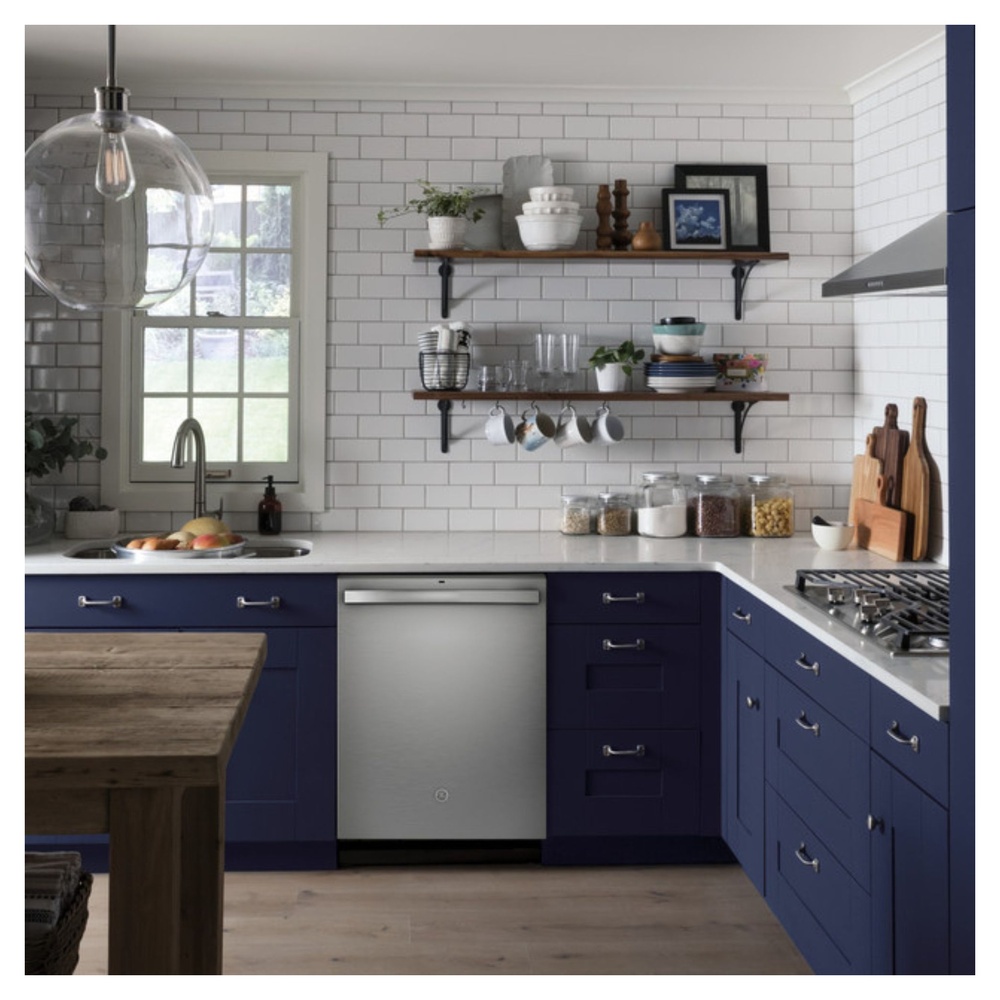
A range hood buying guide starts with one goal: move the right amount of air for the way you cook. If you choose the wrong size or ventilation type, you can end up with smoke, grease, odors, or a hood that looks right but performs poorly.
This guide walks you through the decisions that matter most: width, CFM, ducted vs. ductless, and whether an under-cabinet or wall-mount hood fits your kitchen best. You’ll also see a few real product examples so it’s easier to connect the specs to the purchase.
To compare more models, browse our under-cabinet hoods or wall-mount hoods.
How To Size A Range Hood For Your Cooktop
The simplest rule is to match the hood width to the cooking surface. For standard ranges, that usually means a 30 inch hood over a 30 inch range, with 36 inch hoods better suited to wider cooktops or more powerful cooking setups.
Width is only part of the sizing decision. Depth matters too, because a hood should cover the front burners well enough to catch steam and grease before it escapes into the room.
If you cook on high heat often, look for a hood that extends beyond the cooktop edges or offers stronger capture around the burners. That extra coverage helps the hood work better without needing to run at max speed all the time.
- Match hood width to the cooktop width as your starting point.
- Check depth so the hood actually captures steam from the front burners.
- Choose a wider hood when you cook a lot with high heat, frying, or searing.
How To Choose A Range Hood Step By Step
- 01
Measure The Cooktop WidthStart with the width of your range or cooktop. A hood should generally match that width, or go wider if you want better steam and smoke capture.
- 02
Check Your Mounting SpaceLook at what is above the cooking surface: cabinets, an open wall, or custom surrounds. That tells you whether an under-cabinet or wall-mount hood makes the most sense.
- 03
Decide On Ducted Or DuctlessIf you can vent outside, ducted is the stronger ventilation choice. If not, ductless can still work well for lighter cooking and finished spaces where ductwork is difficult.
- 04
Choose The Airflow LevelPick a CFM that fits how you cook. Everyday cooking may need moderate airflow, while frequent frying, searing, or high-heat cooking benefits from a stronger fan.
- 05
Compare Filter TypesMesh filters, baffle filters, and charcoal filters each serve different use cases. Choose the one that fits your hood style and how much maintenance you want to handle.
- 06
Look At Controls And FeaturesSimple controls are fine for basic use, while multiple speeds, LED lighting, and auto-off functions make the hood easier to live with day to day.
- 07
Check Installation DetailsConfirm voltage, duct shape, and hood dimensions before you buy. Those details determine whether the hood fits your kitchen and connects correctly.
Our Picks By Budget
Our picks by budget
Best Value: Broan 4130SF 30 Inch Ductless Under-Cabinet Range Hood
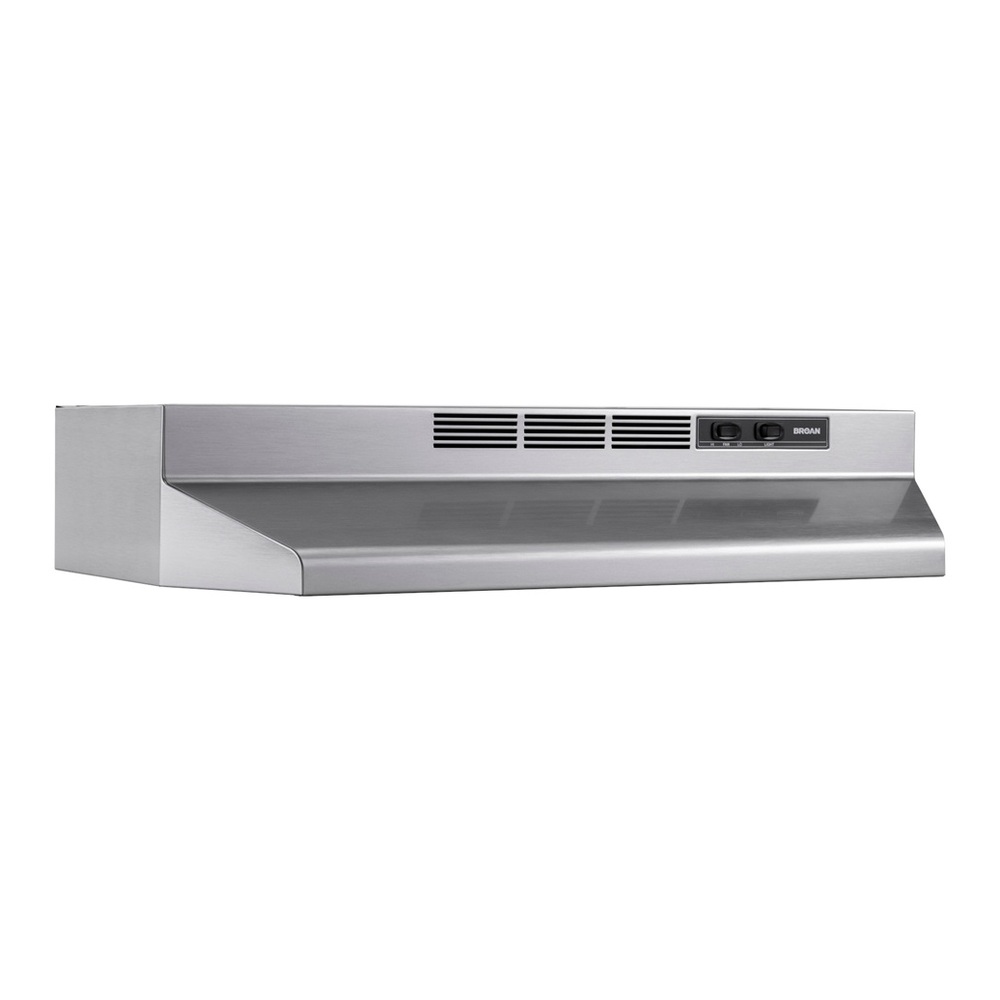
The Broan 4130SF is the most approachable option in this guide for kitchens where outside venting is not practical. Its ductless design, included charcoal filter, and under-cabinet format make it a straightforward fit for standard cabinet runs and lighter everyday cooking. This model keeps the decision simple: 30 inch width, internal blower, and a compact 6 inch height. If your main goal is to add basic ventilation without reworking the kitchen for ducting, this is a practical place to start.
- Works when outside venting is not available
- Compact profile fits standard cabinets
- Simple under-cabinet installation path
- Charcoal filtration helps with odors
- Less effective than ducted ventilation
- Light bulbs are not included
- Best for lighter cooking, not heavy smoke loads
Best Everyday: Frigidaire FCVW3025AS 30 Inch Undercabinet Hood
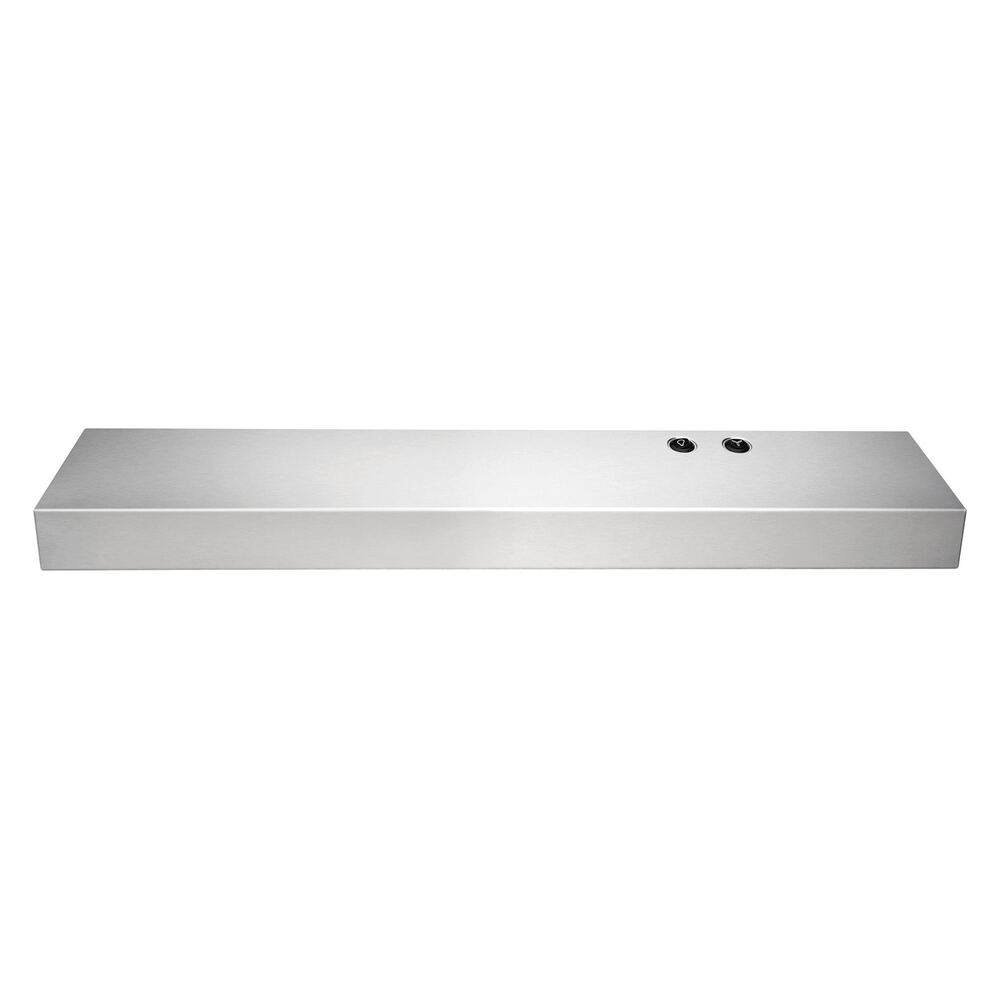
Frigidaire FCVW3025AS 30 inch Undercabinet Hood with 230 CFM, Aluminum Mesh Grease Filter in Stainless Steel
The Frigidaire FCVW3025AS hits a smart middle ground for everyday kitchens. With 230 CFM, a 30 inch under-cabinet layout, and an aluminum mesh grease filter, it gives you a meaningful step up in airflow over basic entry-level options while staying easy to place in a standard kitchen. Its 5 inch height keeps the profile low, and the dual duct compatibility is helpful if your kitchen already has a duct path in place. For shoppers who want a straightforward hood that balances performance and simplicity, this is an easy one to recommend.
- Solid airflow for everyday cooking
- Low-profile design fits many kitchens
- Easy-to-clean grease filter
- Good balance of size and performance
- Not as powerful as high-CFM options
- No Wi-Fi or smart features
- Under-cabinet design may not suit every remodel
Best Wall-Mount: GE JVW5301SJSS 30 Inch Wall-Mount Pyramid Chimney Hood
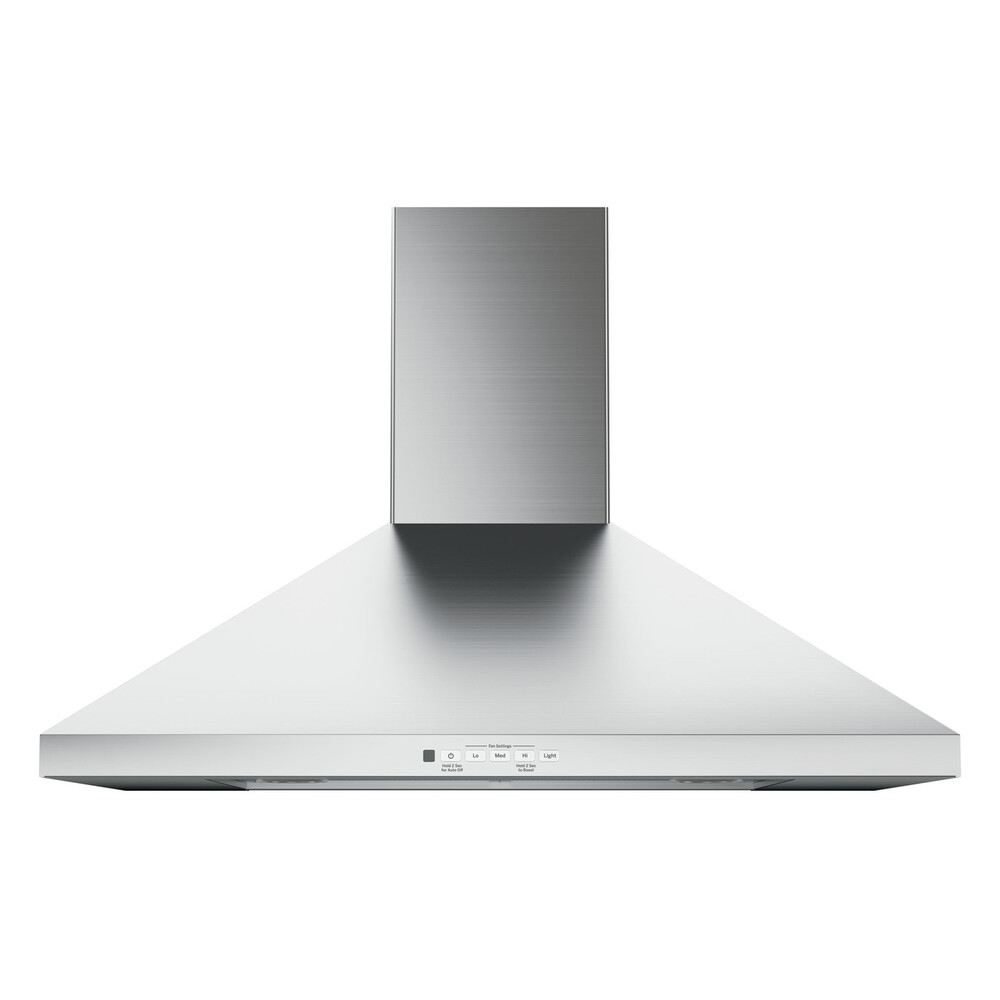
The GE JVW5301SJSS is the right move if your kitchen layout calls for a wall-mount chimney hood. Its 350 CFM fan gives you more airflow than basic under-cabinet models, and the pyramid chimney style creates the open, built-in look many shoppers want over a range on an exposed wall. This hood also keeps operation simple with electronic backlit controls and auto-off. At 30 inches wide and 26 1/8 inches tall, it is sized for a standard range while still giving the wall a more finished, custom appearance.
- Strong fit for open-wall installations
- More airflow than entry-level hoods
- Clean chimney-style look
- Simple electronic controls
- Requires wall-mount installation space
- Larger visual footprint than under-cabinet models
- Not ideal for kitchens without a wall-mounted range area
Best High-Performance: XO XOC30SC 30 Inch Under Cabinet Hood
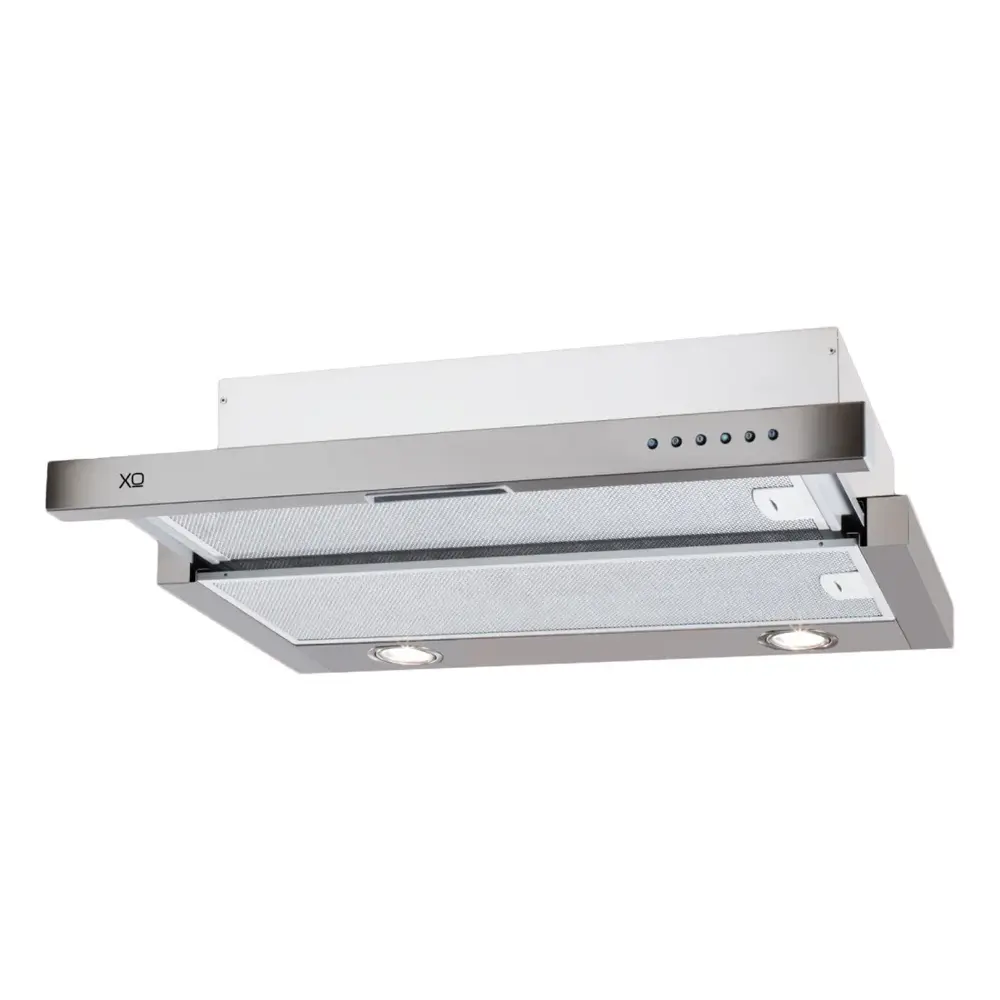
The XO XOC30SC is the strongest-performing pick in this guide and the one to look at if cooking output matters most. With 600 CFM, a slide-out visor, and a power boost setting, it is built for kitchens that see more steam, smoke, and grease from regular high-heat cooking. It still fits a standard 30 inch opening, but the ventilation package is much more aggressive than a basic hood. The LED lighting, code compliance control, and three-speed operation make it feel more refined than a plain utility hood while still keeping the layout under-cabinet and relatively compact.
- Highest airflow in this guide
- Great for heavy cooking and frequent searing
- Slide-out design adds capture area when needed
- Useful control set for daily use
- More hood than many light-cooking kitchens need
- Higher-performance options can be louder in use
- Requires the right duct setup to get full benefit
Side-By-Side Comparison
Broan 30" Ductless | Frigidaire 30" Undercabinet | GE 30" Wall Mount | XO 30" Slide-Out | |
| Model | 4130SF | FCVW3025AS | JVW5301SJSS | XOC30SC |
|---|---|---|---|---|
| Price | $94 | $163 | $543 | $749 |
| Type | Under Cabinet | Under Cabinet | Wall Mount | Under Cabinet |
| Width | 30" | 30" | 30" | 29 15/16" |
| Filter Type | Charcoal | Mesh | Mesh | Mesh |
| Control Style | Standard Hood | Standard Hood | Chimney Style | Slide-Out |
| Height | 6" | 5" | 26 1/8" | 10 9/16" |
| View | View | View | View |
Pros And Cons Of Choosing The Right Range Hood
- Helps remove smoke, grease, steam, and cooking odors before they spread through the kitchen.
- Improves comfort by moving heat away from the cooktop area.
- Can reduce grease buildup on cabinets, backsplashes, and nearby surfaces.
- Gives you a better cooking environment for searing, frying, and simmering.
- The right size and CFM make the hood work more efficiently.
- A hood that is too small may not capture smoke well enough.
- Ductless models need filter maintenance and are less effective than ducted ventilation.
- Higher airflow can add noise if the kitchen is not sized for it.
- Installation details like duct shape and cabinet clearance can limit your choices.
Ducted Vs Ductless Range Hood Ventilation
Ducted hoods move air outside the home, which is the strongest option for removing smoke, heat, and lingering cooking odors. If you have the duct path available, ducted ventilation is usually the better long-term choice for heavy cooking.
Ductless hoods recirculate air through a charcoal filter and send it back into the kitchen. They are useful when venting outside is not practical, especially in apartments, condos, or spaces where adding ductwork would be difficult.
A ductless hood can still help with everyday cooking, but it is not the same as exhausting air outdoors. If your kitchen gets smoky quickly, ducted ventilation is the better fit.
- Ducted ventilation is best for removing smoke and heat.
- Ductless is easier when outside venting is not practical.
- Charcoal filters need regular replacement to keep recirculating hoods working well.
Which Hood Style Fits Your Kitchen Layout
Under-cabinet hoods are the most straightforward option when cabinets sit above the range. They are a common fit for standard kitchens and work well when you want a simple, space-efficient setup.
Wall-mount chimney hoods create a more visual statement and work best when the range sits against an open wall. They often have stronger visual presence and can offer more airflow in a larger footprint.
Insert hoods are built into custom cabinetry or decorative surrounds and are often chosen for remodels, so they are worth a look if you are designing a custom kitchen.
- Under-cabinet: best for standard cabinet runs.
- Wall-mount: best for open wall installations.
Range Hood Buying Guide: CFM, Controls, And Filter Choices
CFM tells you how much air the hood can move. For lighter home cooking, lower CFM can be enough; for heavier cooking, higher CFM gives you more capture power and usually a more comfortable kitchen.
Controls matter more than people think. Simple rocker or push-button controls are easy to use, while electronic controls, multiple fan speeds, and auto-off features give you finer control over noise and airflow.
Filter type affects maintenance. Mesh filters are common and easy to clean, baffle filters handle grease well, and charcoal filters are used in ductless designs where air is recirculated.
- More CFM generally means stronger ventilation.
- Multiple fan speeds help you match ventilation to the meal.
- Filter type should match the hood style and how often you cook.
Shop our full range hood collection to compare under-cabinet, wall-mount, and ductless ventilation options.
Shop Range HoodsFrequently Asked Questions
Frequently asked questions
What size range hood do I need for a 30 inch range?
A 30 inch range is usually paired with a 30 inch hood, though some kitchens benefit from a slightly wider hood for better capture. The right choice also depends on how much you cook and whether the hood is ducted or ductless. Depth and mounting height matter too, not just width.
Is a ducted range hood better than ductless?
Yes, if your kitchen can support it, ducted ventilation is generally more effective because it sends smoke, steam, and odors outside. Ductless hoods recirculate air through filters, which is helpful when outside venting is not practical. For heavy cooking, ducted is usually the stronger choice.
How much CFM do I need in a range hood?
There is no single number for every kitchen, but more active cooking usually calls for more airflow. A hood with 200 to 350 CFM can work for many everyday kitchens, while stronger cooking setups often benefit from 400 CFM or more. The hood style and ducting path also affect how well that CFM performs.
What is the difference between under-cabinet and wall-mount hoods?
Under-cabinet hoods mount beneath cabinets and are common in standard kitchen layouts. Wall-mount hoods attach to an open wall and typically create a more prominent visual look. The right one depends on your cabinetry and how your kitchen is laid out.
Do range hood filters need regular cleaning?
Yes. Grease filters should be cleaned on a regular schedule so airflow stays strong and the hood does not work harder than it needs to. If you use a ductless hood, charcoal filters also need replacement because they help remove odors during recirculation.