
Why Your Washing Machine Smells Bad and How to Fix It

A foul smelling washing machine is usually caused by trapped moisture, detergent residue, lint, hair, body oils, mildew, or debris hidden inside the machine. These materials often collect around the rubber gasket, detergent drawer, drum, drain hose, or pump filter.
One common source of odor is a clogged pump filter. This filter catches debris before it reaches the drain pump, but it can become packed with lint, hair, coins, pet fur, grease, and other buildup. When that debris sits in stagnant water, it can create musty, sour, or rotten egg odors that spread through the washer and transfer to clean laundry.
Why Does My Washing Machine Smell Bad?
Moisture Trapped Inside the Washer
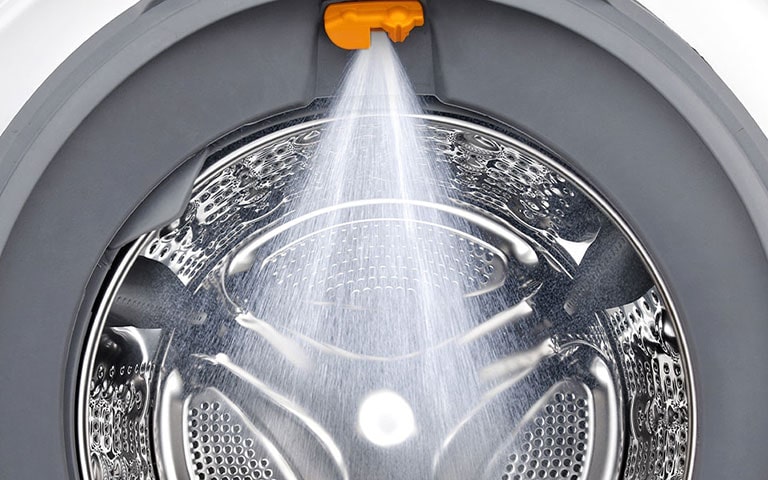
Front load washing machines use tight door seals that can trap moisture inside the drum, gasket, and internal plumbing. When the door stays closed after a cycle, the damp interior creates an ideal environment for mildew, mold, and odor causing bacteria. This is one of the most common reasons front load washers develop a musty smell.
Detergent, Fabric Softener, and Soap Scum Buildup
High efficiency washers use less water, so excess detergent and fabric softener may not rinse away completely. Over time, residue can mix with lint, skin cells, body oils, and dirt, creating a sticky film inside the drum, hoses, and dispenser drawer. This buildup can feed bacteria and cause lingering odors.
A Dirty Rubber Door Gasket
The rubber gasket on a front load washer can trap water, hair, lint, detergent residue, and small debris. The hidden folds are especially prone to buildup because they stay damp after a wash cycle. If the gasket is not cleaned regularly, it can develop dark residue, mildew, and a sour or musty smell.
A Clogged Pump Filter
Most front load washers have a pump filter that catches debris before it reaches the drain pump. Over time, the filter can collect hair, lint, coins, pet fur, grease, tissues, and other pocket debris. When that debris sits in stagnant water, it can create strong odors and drainage problems.
Poor Drainage
Poor drainage can leave standing water inside the washer, drain hose, pump filter, or standpipe. When water sits too long, bacteria and residue can create musty, sour, or rotten egg odors. If the smell is strong and sewage like, the issue may involve the household drain system rather than the washer alone.
What Different Washing Machine Smells Mean
| Smell | Possible Cause | What to Check First |
|---|---|---|
| Musty smell | Trapped moisture or mildew | Rubber gasket, drum, and dispenser drawer |
| Rotten egg smell | Stagnant water or bacteria | Pump filter, drain hose, and standpipe |
| Sour smell on clothes | Detergent residue or biofilm | Drum, gasket, and detergent drawer |
| Wet dog smell | Mildew, lint, and trapped residue | Gasket, pump filter, and hot cleaning cycle |
| Sewage smell | Drain or plumbing issue | Standpipe, P trap, and drain vent |
Signs Your Washing Machine Has a Clogged Pump Filter
Water Is Not Draining Properly
One of the most immediate signs of a clogged filter is a failure to drain efficiently. You may notice that drainage during the spin cycle is visibly slow, water is backing up into the standpipe, or the cycle simply takes much longer to finish than it used to. In severe cases, stagnant water may be left standing in the bottom of the drum after the cycle completes.
Clothes Smell Bad After Washing
If your clean laundry still smells musty, the washer may be transferring odors from trapped buildup inside the machine. A clogged filter, dirty gasket, detergent residue, or stagnant water can all cause bad smells to return even after a normal cleaning cycle.
The Washer Smells Like Mildew, Wet Dog, or Rotten Eggs
Different smells can point to different problems. A musty or wet dog smell usually comes from mildew, detergent residue, or damp lint buildup. A rotten egg smell may come from stagnant water, bacteria, a clogged pump filter, or a drainage issue. If the odor smells like sewage and does not improve after cleaning the washer, check the drain system or call a professional.
Visible Debris Around the Filter or Gasket
The pump filter is designed to catch items before they reach the drain pump, so it can collect lint, hair, pet fur, coins, tissues, small hardware, and greasy residue. If the filter area smells bad or looks slimy, it is probably overdue for cleaning.
How to Find the Pump Filter
Front Load Washing Machines
On most front load models, the pump filter is located behind a small access door or panel near the bottom front or side of the machine. This hidden component is designed to trap debris before it reaches the drain pump, but because it is tucked away behind a panel, it is often overlooked during routine maintenance.
Top Load Washing Machines
Unlike front loaders, not all top load washing machines feature a filter intended for user maintenance. If your top loader does have a serviceable filter, it is typically located in the center of the agitator. You can usually access it by removing the agitator top cap.
Check Your Model Manual
If you cannot find the filter, check your washer owner manual first. You can also search your washer make and model with the word filter to find the correct location. Filter access varies by brand and model, and some machines do not have a user serviceable pump filter.
Before You Start Cleaning the Pump Filter
Before removing the pump filter, always check your washer owner manual. Filter location, cleaning steps, and approved cleaning products can vary by model.
Gather These Supplies
- Towels
- Shallow tray or baking sheet
- Gloves
- Damp paper towels
- Toothbrush
- Pipe cleaner
- Small bowl or cup for draining water
How to Clean a Clogged Pump Filter
Step 1: Prepare for Water
Place towels and a shallow tray or baking sheet underneath the filter access area. Water may drain out as soon as the cap is loosened, and the water may smell unpleasant if it has been sitting inside the machine.
Step 2: Drain Excess Water
Many front load washers have a small drain hose next to the pump filter. Pull the hose out, remove the plug, and let the water drain into your tray or bowl. If the hose seems blocked, gently clear the opening with a pipe cleaner.
Step 3: Remove the Filter
Once the water has drained, turn the filter cap counterclockwise. Pull the filter out slowly so any remaining water can drain into the tray.
Step 4: Remove Debris
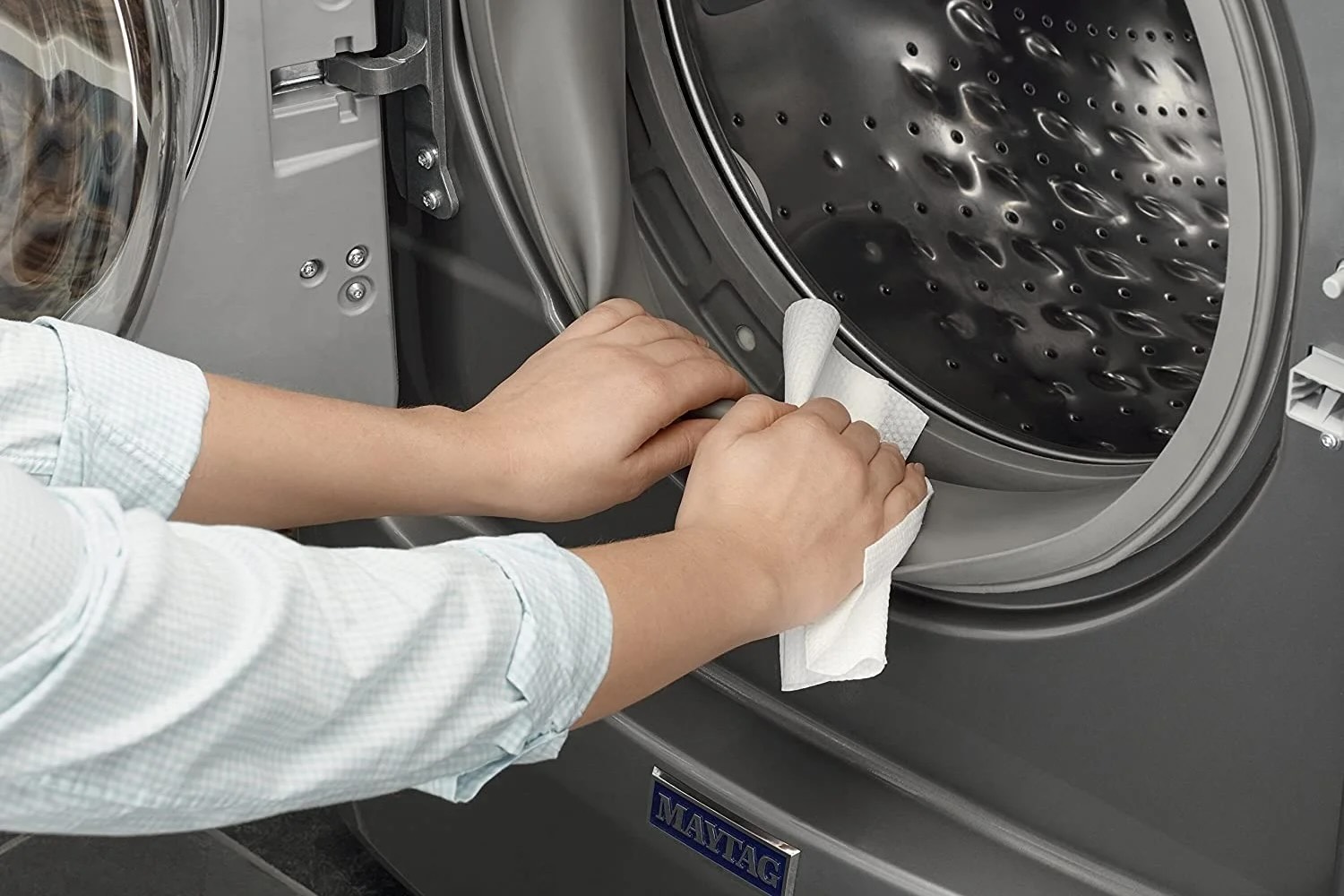
Clear away lint, hair, pet fur, coins, tissues, grease, and other debris from the filter. Use gloves or a damp paper towel if the buildup is slimy or has a strong odor.
Step 5: Scrub the Filter
Rinse the filter under hot water and scrub it with a toothbrush. Focus on small openings and crevices where lint and residue can stick.
Step 6: Clean the Filter Housing
Wipe inside the filter cavity before reinstalling the filter. The housing can collect the same residue, slime, and odor causing buildup found on the filter.
Step 7: Reinstall the Filter Carefully
Insert the filter and turn it clockwise until it is properly threaded and snug. Do not cross thread the cap. If the filter is not installed correctly, the washer may leak during the next cycle.
Step 8: Run a Test Cycle
After closing the access panel, run a short rinse or drain cycle. Watch the filter area closely to make sure there are no leaks.
How to Remove Odors From the Washer
Clean the Rubber Gasket
The rubber door gasket on front load washers is a primary bacterial haven because its thick folds trap moisture, lint, and detergent residue. To clean it effectively, pull back the rubber folds and look deep inside the creases for hidden mold or dark slime coatings. Wipe every fold carefully, paying special attention to the rear fold and hidden inner channel.
Use 3 Percent Hydrogen Peroxide
Plain 3 percent hydrogen peroxide can help break down organic residue and reduce odor causing buildup. Soak a cloth or sponge in undiluted hydrogen peroxide, then wipe the gasket carefully. Let it sit for about 10 minutes before wiping the area clean. Always check your washer manual first, and never mix hydrogen peroxide with bleach, vinegar, or other cleaners.
Run a Hot Cleaning Cycle
To clean areas you cannot reach by hand, pour about 500 ml of 3 percent hydrogen peroxide directly into the washer drum, then run the hottest cycle allowed by your washer manual. A sanitize cycle may help reduce odor causing residue inside the drum, outer tub, and internal plumbing. Do not add bleach, vinegar, detergent, or other cleaners during this cycle.
Clean the Dispenser Drawer
Detergent and fabric softener residue frequently collect inside the dispenser drawer, creating a sticky film that traps dirt and feeds bacteria. Remove the drawer completely and rinse it under hot water. Use a toothbrush to scrub the corners and the internal housing where softener residue can quietly rot and contribute to foul smells.
Leave the Door Open After Use
The single most effective way to prevent odors from returning is to leave the washer door open after every cycle. Airflow allows the gasket and drum to dry completely, reducing the warm, humid environment that allows bacteria and mold to thrive. Leaving the detergent drawer cracked open between uses also helps circulate air through the dispenser housing.
Hydrogen Peroxide, Vinegar, and Bleach: What to Know
Why Hydrogen Peroxide Works Well
Hydrogen peroxide can be useful for reducing organic residue and odor causing buildup. It may bubble when it contacts grime, which can help loosen residue on surfaces like the gasket or filter area. For best results, use it only as directed and avoid mixing it with any other cleaning product.
When Vinegar May Help
Vinegar may help with mild odors, light soap residue, and mineral buildup. However, vinegar alone may not remove heavy grime, a clogged filter, or residue hidden in the gasket folds. Physical cleaning is still necessary when odor comes from trapped debris.
When to Be Careful With Bleach
Bleach may sanitize some surfaces, but it does not always remove the residue layer causing the odor. Use bleach only if your washer manual allows it. Never mix bleach with vinegar, hydrogen peroxide, ammonia, or other household cleaners because dangerous fumes or reactions can occur.
How Often Should You Clean Your Washer?
Monthly Pump Filter Cleaning
Clean the pump filter about once a month to prevent lint, hair, grease, and small debris from sitting in stagnant water. If you have pets, wash heavy loads often, or notice frequent drainage issues, you may need to clean it more often.
Weekly Gasket Wipe Down
Wipe the rubber gasket at least once a week, especially around the hidden folds. This helps remove moisture, lint, hair, detergent residue, and mildew before they become a larger odor problem.
After Each Wash
After each wash, leave the washer door open so the drum and gasket can dry. If possible, leave the detergent drawer slightly open as well. Better airflow helps prevent mildew, moisture buildup, and recurring odors.
Washer Odor Prevention Checklist
- Clean the pump filter about once a month.
- Wipe the rubber gasket weekly, including the hidden folds.
- Remove and wash the detergent dispenser drawer regularly.
- Use the correct amount of high efficiency detergent.
- Run a hot washer cleaning cycle when odors return.
- Leave the washer door open after each load.
- Leave the detergent drawer slightly open between uses.
- Call a professional if the washer smells like sewage or will not drain.
When to Call a Professional
While most odors can be handled with a deep clean, certain situations require the expertise of a technician or plumber. You should call a professional if your washer still smells like sewage after a thorough cleaning, as this often indicates a plumbing issue such as a blocked vent stack or dry P trap.
You should also seek help if the machine will not drain properly, continues to leak after the filter is reinstalled, or if mold has spread into internal components that you cannot reach. If the machine is broken, showing sudden drainage problems, or if you suspect the drain pump has failed, an expert diagnosis is the safest way to prevent further damage.
Conclusion
A foul smelling washing machine is usually caused by trapped moisture, detergent residue, poor drainage, or debris hidden inside the gasket, drum, dispenser drawer, drain system, or pump filter. Cleaning these areas can help remove odor causing buildup and improve washer performance.
For best results, clean the pump filter regularly, wipe the gasket often, run a hot cleaning cycle when needed, and leave the washer door open after each load so the machine can dry. If odors keep returning after a deep clean, it may be time to check for drainage problems, internal mold, or a failing pump.
Upgrade Your Laundry Room with ShopAppliances.com
If your washing machine continues to smell, drains poorly, leaks, or requires frequent service, upgrading to a newer model may be the smarter long-term solution. At ShopAppliances.com, you can compare front load washers, top load washers, laundry pairs, compact laundry options, and high efficiency models built for modern homes.
- Shop front load and top load washing machines
- Compare high efficiency laundry appliances
- Find smart washers with advanced cleaning and diagnostic features
- Get expert support for choosing the right laundry setup
FAQs
Why does my washing machine smell like rotten eggs?
A rotten egg smell is often caused by stagnant water, bacteria, poor drainage, or debris trapped inside the pump filter. Organic buildup such as detergent residue, lint, body oils, and hair can sit in hidden areas and create a sulfur-like smell. If the odor smells like sewage and does not improve after cleaning, check the household drain system or call a professional.
How do I know if my washing machine filter is clogged?
Common signs of a clogged pump filter include slow drainage, standing water in the drum, foul odors that return after cleaning, and visible debris around the filter housing. You may find lint, hair, coins, pet fur, tissues, or slimy buildup when the filter is opened.
Can I use hydrogen peroxide to clean my washing machine?
Yes, plain 3 percent hydrogen peroxide can be used to wipe the rubber gasket or help clean odor causing buildup when your washer manual allows it. Never mix hydrogen peroxide with bleach, vinegar, ammonia, or other cleaners because dangerous reactions can occur.
How often should I clean my washer filter?
For best performance and odor control, clean the pump filter about once a month. Homes with pets, heavy laundry use, frequent cold water cycles, or recurring drainage issues may need to clean it more often.
Why do my clothes still smell bad after washing?
If clean clothes still smell musty or sour, odor may be transferring from bacteria, mildew, detergent residue, or debris inside the washer. The gasket, pump filter, detergent drawer, drain hose, and drum can all hold buildup that standard detergent may not remove. A deep clean and filter cleaning can help restore freshness.
Read More
- How to Clean Refrigerator Coils to Lower Energy Bills and Boost Efficiency
- Café vs Viking French Door Wall Ovens: Which Luxury Oven Is Best for Your Kitchen?
- Energy Efficiency Through the Decades: How EPA Standards Changed Appliance Manufacturing
- The Ultimate Guide to Coin Operated Laundry Machines and Top Commercial Brands
- The History of the Washing Machine: How We Moved from Scrub Boards to App Controlled Laundry