
Built-In vs Freestanding Refrigerators: Pros, Cons, Differences, and How to Choose in 2026

Choosing the right refrigerator is one of the most important decisions in any kitchen. It affects not only your daily convenience but also your kitchen’s layout, overall design, and long term costs.
Two of the most common options you will come across are built-in and freestanding refrigerators. At first glance, they may seem similar since they serve the same purpose. However, they differ significantly in design, installation, price, and flexibility.
In this guide, you will learn what each type is, how they compare, their pros and cons, and which one is the best fit for your lifestyle and budget.
What Is a Built-In Refrigerator?
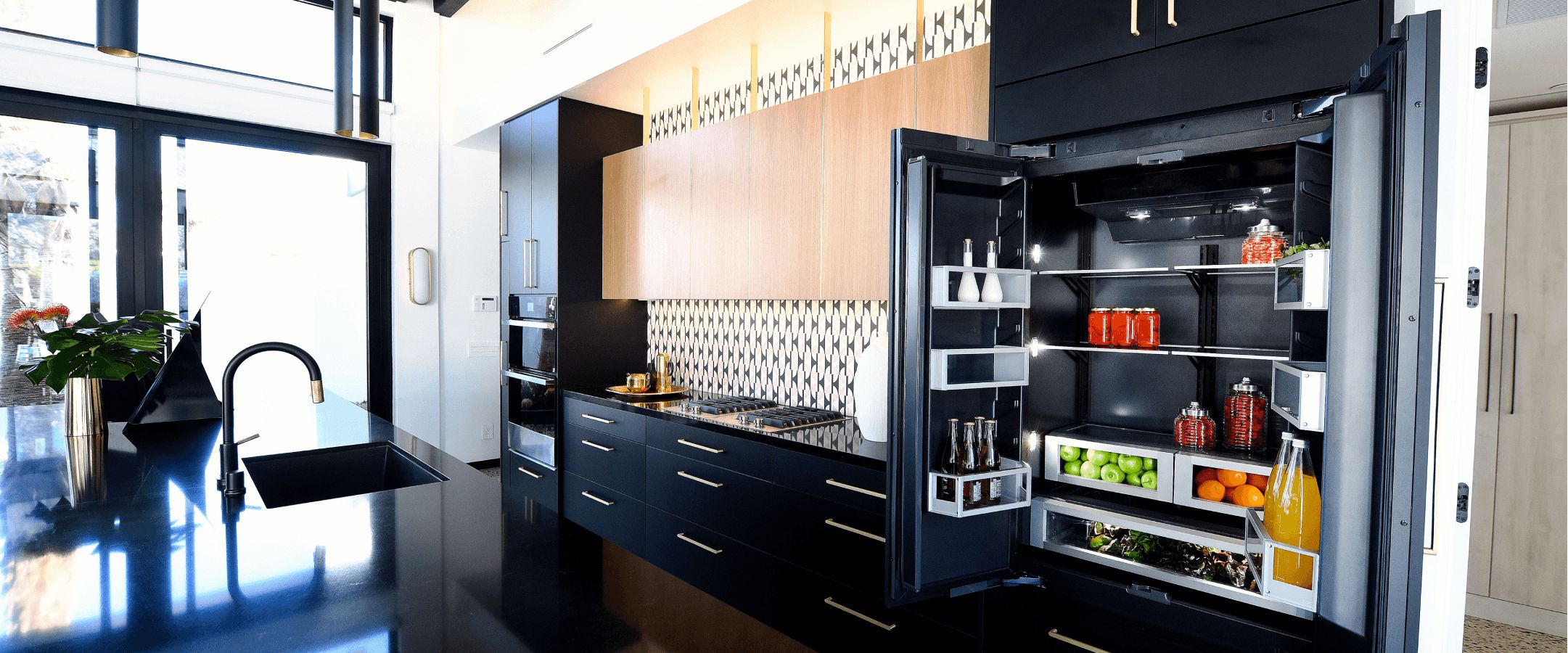
A built-in refrigerator is designed to fit seamlessly into your kitchen cabinetry. It sits flush with surrounding cabinets, creating a clean and integrated look.
Key characteristics:
- Designed to align with cabinets for a seamless appearance
- Often allows custom panels to match kitchen finishes
- Typically taller but shallower than standard refrigerators
- Sides are usually not finished, since they are meant to be enclosed within cabinetry
These refrigerators are commonly found in high-end kitchens where design and aesthetics are a top priority. They are often used in modern, minimalist, or luxury kitchen layouts. Because they are installed within cabinetry, built-in refrigerators are not designed to have exposed sides, unlike freestanding models.
What Is a Freestanding Refrigerator?
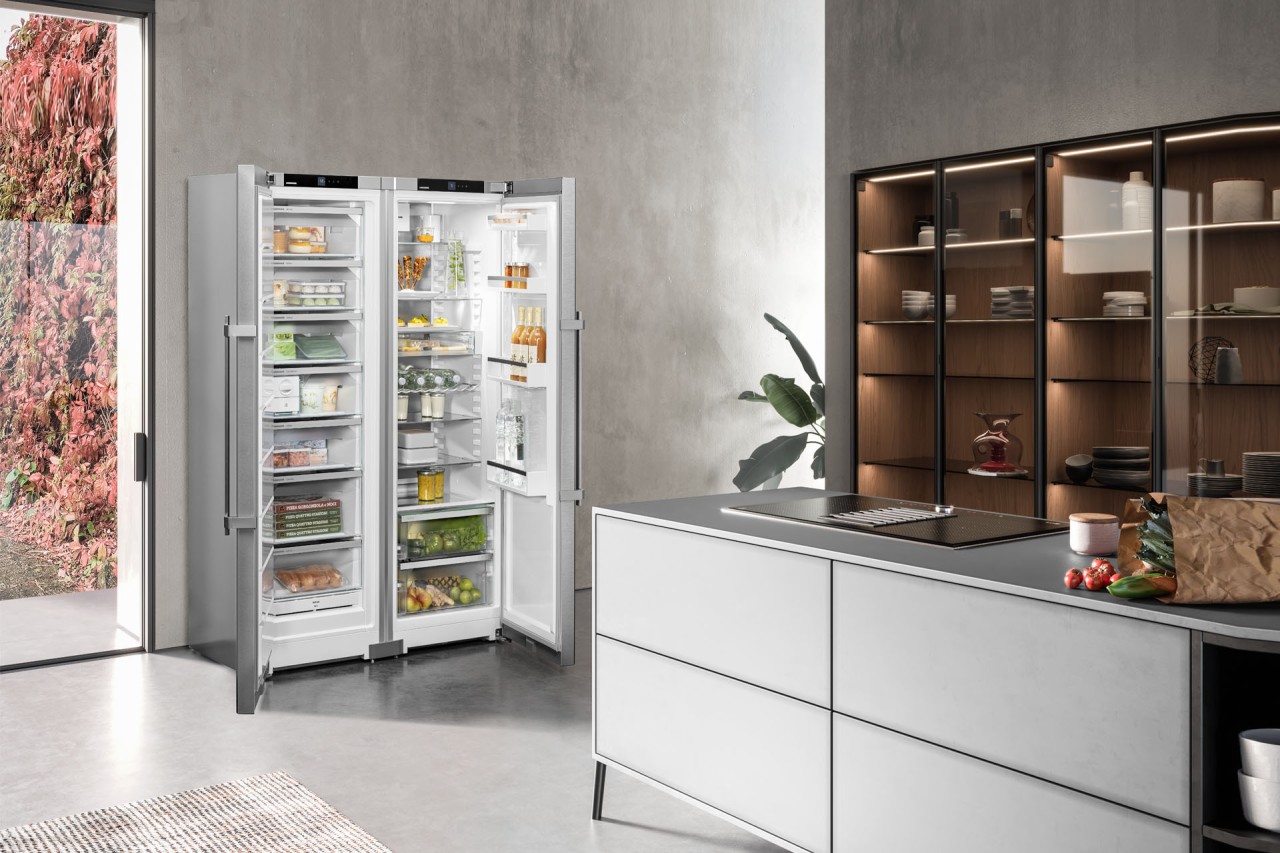
A freestanding refrigerator is the most common type found in homes. It is a standalone unit that can be placed almost anywhere with proper clearance.
Key characteristics:
- Does not require custom cabinetry
- Available in standard sizes and configurations
- Simple installation and replacement
- Finished sides, allowing them to stand alone or be placed anywhere in the kitchen
Freestanding refrigerators are widely used in most households because of their affordability, flexibility, and wide availability.
Built-In vs Freestanding: Key Differences
Before diving deeper, it helps to understand the core differences between these two options.
- Installation: Built-in models require professional installation and precise cabinetry. Freestanding units are plug and play.
- Size and dimensions: Built-in refrigerators are shallower but often taller. Freestanding models come in many sizes and depths.
- Flexibility: Built-in units are fixed once installed. Freestanding refrigerators can be moved or replaced easily.
- Cost: Built-in options are significantly more expensive, both in product and installation.
- Design integration: Built-in refrigerators blend into the kitchen. Freestanding units remain visible.
- Side finish: Built-in units typically have unfinished sides, while freestanding refrigerators have finished sides for exposed placement.
-
Compressor and ventilation:
- Built-in refrigerators usually have compressors located at the top and are designed to vent from the front, allowing them to fit tightly within cabinetry.
- Freestanding refrigerators vent from the back or sides and require more clearance around the unit.
These differences play a major role in determining which option is right for you.
Getting the right fit is critical, especially for built-in models. If you are unsure how to measure your space correctly, check out our guide on how to measure for a refrigerator before making a purchase: https://www.shopappliances.com/blog/how-to-measure-your-refrigerator-for-your-home
Pros and Cons
Built-In Refrigerators
Pros
- Seamless, high-end appearance
- Can be customized with cabinet panels
- Saves visual space due to shallow depth
Cons
- High upfront cost
- Limited size and configuration options
- Requires professional installation and planning
Freestanding Refrigerators
Pros
- More affordable across a wide price range
- Easy to install, replace, or relocate
- Available in many styles, sizes, and features
Cons
- Can appear bulky or protrude from cabinetry
- Less cohesive with kitchen design
- Limited customization options
Style, Appearance, and Kitchen Design
One of the biggest deciding factors is how the refrigerator fits into your kitchen design.
Built-in refrigerators are ideal for homeowners who want a polished, cohesive look. Since they sit flush with cabinetry and can be covered with custom panels, they almost disappear into the kitchen. This makes them a popular choice in luxury and modern homes.
Freestanding refrigerators, on the other hand, are more visible. However, they come in a wide range of finishes such as stainless steel, matte black, and even colorful retro styles. This makes them versatile enough to match both traditional and contemporary kitchens.
In terms of resale value, a built-in refrigerator can enhance the perceived quality of a kitchen, but only if it aligns with the overall design.

Budget Considerations
Budget is often the most practical deciding factor.
Built-in refrigerators come with a premium price tag. In addition to the appliance itself, you also need to account for custom cabinetry, installation, and potential modifications to your kitchen layout.
Freestanding refrigerators are far more budget-friendly. They range from basic models to high-end smart appliances, giving you flexibility based on your needs and budget.
While built-in refrigerators offer long term design value, freestanding models provide better affordability and easier replacement.
Energy Efficiency
Energy efficiency can vary between models rather than types, but there are some general considerations.
Built-in refrigerators are often designed for performance and may run slightly less efficiently due to their compact and enclosed installation. However, many premium models are optimized for energy use.
Freestanding refrigerators typically offer more ENERGY STAR certified options, making it easier to find energy-efficient models at lower price points.
No matter which type you choose, always check energy ratings and estimated annual energy consumption.
Best Option for Different Buyers
Built-In Is Best For:
- Homeowners planning a high-end kitchen remodel
- Those who prioritize aesthetics and seamless design
- People staying in their home long term

Frigidaire 18.9 cu. ft. Full Refrigerator PRDA1922AF

Bosch 16 cu. ft. Bottom Freezer Refrigerator B30BB935SS

KitchenAid 24.2 cu. ft. French Door Refrigerator KBFN502ESS

Dacor 21.5 cu. ft. Column Refrigerator DRR36980RAP
Freestanding Is Best For:
- Budget-conscious buyers
- Renters or those who move frequently
- Anyone needing a quick and easy replacement

Whirlpool 18 cu. ft. Top Freezer Refrigerator WRT518SZFM

GE 24.7 cu. ft. French Door Refrigerator GNE25JYKFS

Frigidaire 25.6 cu. ft. Side by Side Refrigerator FRSS2623AS

LG 26.5 cu. ft. French Door Refrigerator LRFLC2706S
What Should You Choose?
Choosing between built-in and freestanding comes down to a few key factors:
- Budget: Can you justify the higher cost of a built-in model?
- Kitchen layout: Is your space designed for integration or flexibility?
- Lifestyle: Do you need something movable or permanent?
- Aesthetic priorities: Do you prefer a seamless or functional look?
- Longevity: Are you designing for the long term or short term use?
If design and long term investment are your priorities, a built-in refrigerator is a strong choice. If flexibility, affordability, and convenience matter more, a freestanding refrigerator is likely the better option.
Comparison Chart
| Feature | Built-In | Freestanding |
|---|---|---|
| Installation | Complex | Easy |
| Cost | High | Low to moderate |
| Design | Seamless | Visible |
| Flexibility | Low | High |
| Size Options | Limited | Wide |
| Mobility | Fixed | Movable |
Common Mistakes to Avoid
- Ignoring cabinet dimensions and clearance requirements
- Underestimating installation and modification costs
- Not accounting for proper ventilation, especially for built-in models that require front airflow
- Choosing appearance over storage capacity and functionality
- Not thinking about future needs or lifestyle changes
- Overlooking proper ventilation, especially for built-in models
Avoiding these mistakes can save you time, money, and frustration.
Final Thoughts
Both built-in and freestanding refrigerators have their place. The right choice depends on your budget, kitchen design, and how long you plan to stay in your home.
If you want a sleek, integrated kitchen and are willing to invest, built-in is the way to go. If you prefer flexibility, affordability, and ease of use, freestanding refrigerators offer excellent value.
Take the time to evaluate your needs carefully. A refrigerator is a long term purchase, and choosing the right one will make a noticeable difference in your daily life.
Ready to find the perfect fit for your kitchen? Explore a wide range of built-in and freestanding refrigerators at Shop Appliances and discover options that match your style, budget, and lifestyle.
Frequently Asked Questions
What is the main difference between built-in and freestanding refrigerators?
The main difference is how they are installed. Built-in refrigerators are integrated into cabinetry for a seamless look, while freestanding refrigerators are standalone units that can be placed anywhere with proper clearance.
Are built-in refrigerators worth the higher cost?
Built-in refrigerators are worth it if you prioritize design, a seamless kitchen appearance, and long term home value. If budget and flexibility are more important, a freestanding model is usually the better choice.
Can you replace a freestanding refrigerator with a built-in one?
Yes, but it often requires significant kitchen modifications, including custom cabinetry and proper ventilation. It is not a simple swap.
Do built-in refrigerators last longer than freestanding ones?
Built-in refrigerators are generally designed for durability and may last longer, but lifespan depends more on the brand, usage, and maintenance than the type alone.
Which type is more energy efficient?
Energy efficiency varies by model rather than type. Many freestanding refrigerators offer ENERGY STAR options, while some high-end built-in models are also optimized for efficiency.
Are built-in refrigerators smaller than freestanding ones?
Built-in refrigerators are usually shallower but can be taller. This means they may have less depth but similar overall storage capacity depending on the design.
Can a freestanding refrigerator be built into cabinets?
Some freestanding models can be placed in a cabinet enclosure, but they are not truly built-in. Proper ventilation space is required to prevent overheating.
Which option is better for small kitchens?
It depends on the layout. Built-in refrigerators can save visual space and create a streamlined look, while freestanding models offer more size options that may better fit tight spaces.
Do built-in refrigerators increase home value?
They can enhance the overall look of a kitchen and may positively impact resale value, especially in higher-end homes or well-designed remodels.