
How to Choose the Right Range Size (Complete Buying Guide)

Choosing the right range size is one of the most important decisions when buying a new kitchen appliance. Whether you're upgrading your kitchen, remodeling your home, or replacing an old stove, selecting the correct range dimensions ensures your appliance fits properly and meets your cooking needs.
Most homeowners ask questions like:
- What size range should I buy?
- Is a 30-inch range standard?
- Is a 36-inch range worth it?
- Do professional ranges require cabinet changes?
Understanding standard range sizes, installation space, ventilation requirements, and cooking capacity will help you make the right decision.
How to Measure for the Right Range Size
Most kitchen ranges come in several common widths. The right one depends on your kitchen layout, cabinet opening, and cooking habits. Range sizes are primarily categorized by their width, as height and depth are largely standardized to match kitchen cabinetry.
- Compact/Apartment Size: These space-saving units typically measure 20 to 24 inches wide. They are ideal for small kitchens, condos, or secondary suites where floor space is limited.
- Standard Size: The most common range width is 30 inches, followed by 36 inches. A 30-inch range is the industry standard for most residential kitchens, while 36-inch models are popular for those who want extra burners or a larger oven.
- Extra-Wide/Professional Size: Often commercial-inspired, these ranges can measure 48 to 60 inches wide. These are best suited for luxury kitchens and serious home chefs who require high-output performance and significant cooking surface area.
| Range Size | Best For |
|---|---|
| 20–24 inch range | Small kitchens, apartments |
| 30 inch range | Most common residential range size |
| 36 inch range | Larger kitchens and serious home cooks |
| 48 inch range | Professional kitchens and entertaining |
| 60 inch range | Luxury kitchens and commercial-style cooking |
The 30-inch range is considered the standard range size in most homes, because most kitchen cabinets are built to accommodate this width.
Before buying a new range, measure the cabinet opening and surrounding space carefully. To ensure your new range fits seamlessly, you must measure your current "cutout" space accurately.
- Width: Measure the gap between your cabinets at both the top and bottom. If the measurements differ, use the smaller dimension. Standard 30-inch ranges are often actually 29-7/8 inches wide to allow for a smooth fit into a 30-inch opening.
- Depth: Measure from the back wall to the front of your cabinet (excluding the door). Standard cabinet depth is 24 inches, while most ranges are 25 to 27 inches deep (excluding handles and knobs), meaning the door will naturally protrude slightly beyond the cabinets.
- Height: Measure from the floor to the top of your countertops. Standard height is 36 inches. Most ranges include adjustable legs to help level the appliance with uneven floors
You should measure:
- ✔ Cabinet opening width
- ✔ Depth from wall to countertop edge
- ✔ Height from floor to countertop
- ✔ Clearance for ventilation hood


Most kitchens are designed for a 30-inch range cutout, but larger kitchens may allow a 36-inch range or professional range.

Cooking Capacity Explained: The Turkey Test
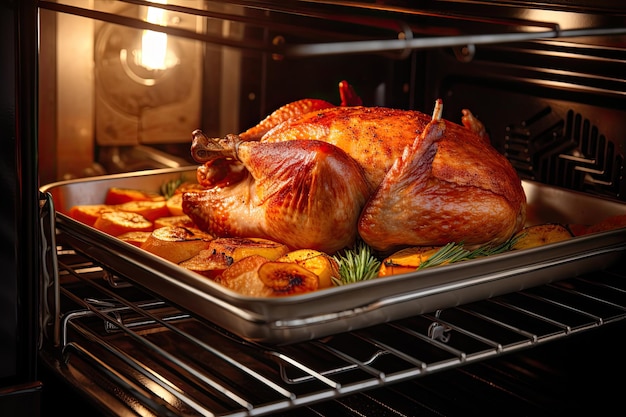
Cubic feet can be hard to visualize. A better way to understand oven capacity is the Turkey Test.
Standard and Compact Ranges
- A 30 inch range can typically handle a 24 to 26 pound turkey
- A 24 or 27 inch range is better suited for smaller meals, fitting around a 20 to 23 pound turkey
Larger and Professional Ranges
- A 36 inch range often features a larger oven cavity and can typically accommodate a 26 to 30 pound turkey, depending on the model
- For 48 inch and 60 inch professional ranges, most models use two oven cavities instead of one large oven
In these larger ranges, the main advantage is flexibility:
- The larger oven can handle a full size turkey
- The secondary oven can be used simultaneously for sides, desserts, or additional dishes
The One Inch Rule
For proper airflow and even cooking, always leave at least one inch of space around your food on all sides. This matters more than total cubic footage for real cooking performance.
Installation Styles: What Most Buyers Overlook
Most buyers focus on width, but the installation style is what truly determines how your range fits and looks in your kitchen. It affects everything from whether you will need cabinet modifications to how seamless the appliance appears with your countertops. Choosing the wrong style can lead to gaps, uneven finishes, or unexpected installation challenges.
Freestanding Ranges
- The most common type
- Finished sides
- Easy to install and replace
Drop In Ranges
- Installed into a custom base cabinet
- Less common today
- Best for direct replacement only
Slide In Ranges
- Designed to sit flush with cabinetry
- Cooktop often overlaps the countertop to prevent gaps
- May require cabinet adjustments
Choosing the right installation style is just as important as choosing the right size. While freestanding ranges offer flexibility and easy replacement, slide in models provide a more seamless, built in look. Drop in ranges, on the other hand, are best suited for specific replacement scenarios.
Before making a decision, consider not only how you want your kitchen to look, but also whether your current cabinetry can support the installation. Taking the time to match the right style to your space will help you avoid costly modifications and ensure a clean, professional fit.
Does Range Size Affect Ventilation?
Yes. Larger ranges generate more heat and require stronger ventilation.
Ventilation Power (CFM) Requirements
The width and heat output of a range determine the necessary airflow, measured in Cubic Feet per Minute (CFM).
- Standard Ranges (30 inches): While standard electric or induction ranges still benefit from ventilation to manage steam and odors, they generally have lower CFM requirements than larger models.
- Larger/Professional Ranges (36+ inches): For a 36-inch range, a hood rated between 600 and 900 CFM is generally recommended to maintain proper air quality and effectively remove heat, smoke, and grease.
Fuel Type and Heat Output (BTU)
The type of fuel used in conjunction with the range size further dictates ventilation needs.
- Gas Ranges: These models, particularly professional versions with high BTU burners (up to 20,000 BTUs), require robust ventilation to safely remove heat and airborne grease.
- Electric and Induction: While these do not produce the same combustion byproducts as gas, they still require ventilation to handle moisture and cooking odors.
Physical Clearances and Installation
The size and style of the range also affect how the ventilation system is installed:
- Back Clearance: For 36-inch ranges, it is recommended to allow at least 6 inches of clearance at the back for proper ventilation and electrical access.
- Installation Style: Slide-in ranges are often preferred for kitchen islands because they lack a back guard, but this requires specific ventilation solutions such as island hoods or downdraft systems.
- Hood Width: Generally, a range hood should be at least as wide as the range itself to effectively capture rising heat and smoke.
Choosing the correct ventilation helps remove heat, smoke, grease, and cooking odors from your kitchen. Always measure the cabinet cutout and surrounding space before purchasing a larger range.
Reliability and Smart Features: What to Know in 2026
A critical addition for 2026 is the trade-off between modern features and long-term durability:
- Knobs vs Touchscreens: For maximum longevity, recommend physical knobs over digital touchscreen. Touchscreens and complex control boards are high-failure points that can be expensive to repair, and sometimes costing half the price of a new unit
- Fuel Reliability: Traditional gas ranges remain the most reliable over time because they are mechanically simpler. Induction is the fastest and most energy-efficient but is more "fragile" due to complex generator boards that can be catastrophic to replace if they fail.
- The Self-Clean Caution: Warn readers that the intense heat of a traditional self-clean cycle can actually "bake" and damage sensitive electronic control boards over time; steam cleaning is a much gentler alternative.
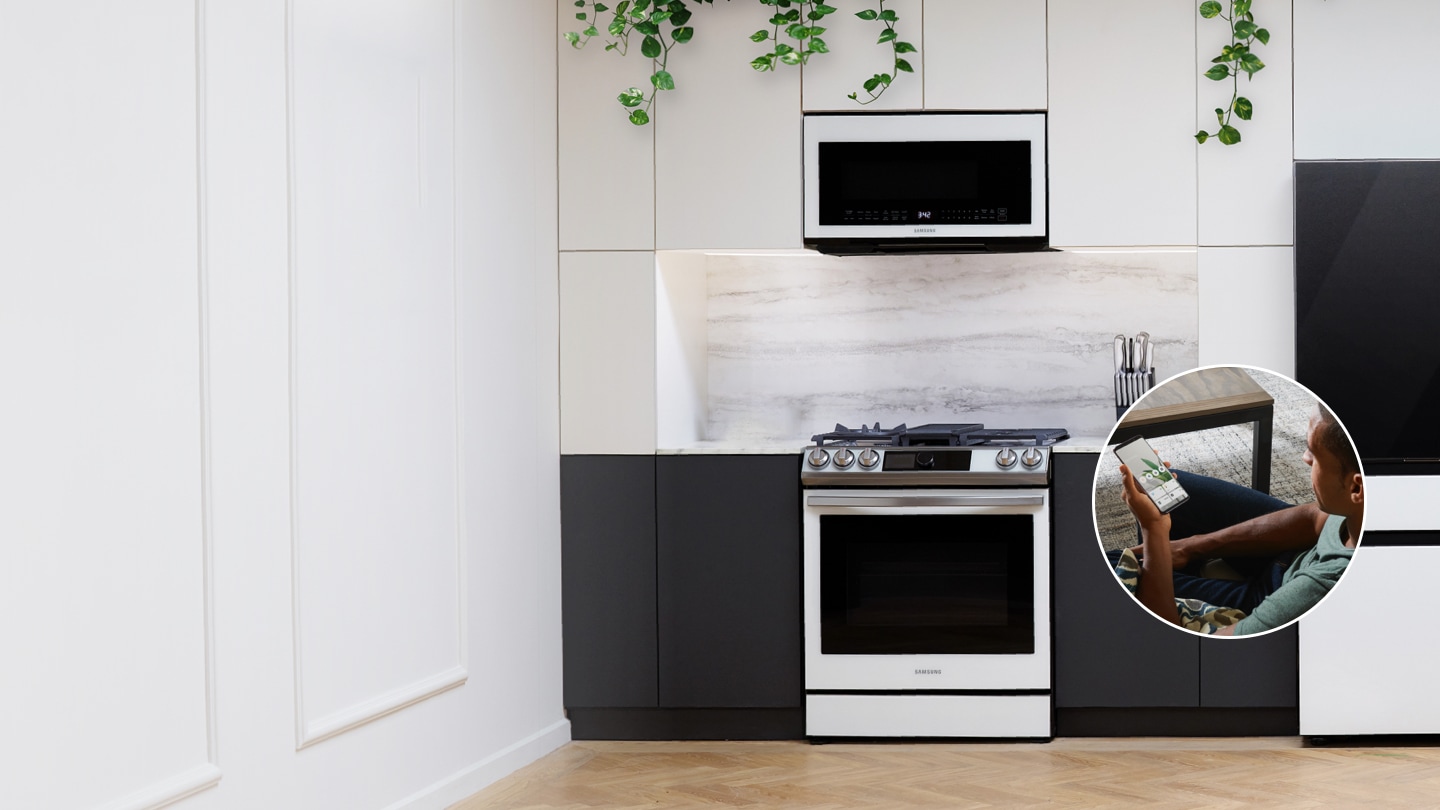
Modern ranges offer more features than ever, but not all of them improve long term value.
Tips for Choosing the Right Range Size
When selecting the best range for your kitchen, it is important to look beyond just width and consider how the appliance will perform in your daily routine.
-
Measure your cabinet opening first
Always start with accurate measurements of your cutout space, including width, depth, and height. Even small differences can affect fit and installation. -
Think about how often you cook
If you cook occasionally, a standard 30 inch range will meet most needs. If you cook frequently or prepare multiple dishes at once, a larger 36 inch or professional range may be worth the upgrade. -
Consider oven capacity and burner space
Look beyond size and evaluate how much usable cooking space you actually need. Larger ovens and additional burners are helpful for entertaining, meal prep, and cooking large items. -
Choose the right installation style
Freestanding, slide in, and front control ranges all fit differently within your kitchen. Make sure your cabinetry supports the style you choose to avoid modifications. -
Plan for ventilation and installation requirements
Larger or high output ranges require stronger ventilation and may need electrical or gas upgrades. Factoring this in early helps avoid unexpected costs. -
Think about long term reliability
Simple designs with physical controls are often more durable. Advanced features can be convenient, but may increase maintenance and repair costs over time. -
Match the range to your kitchen layout
Make sure the size and style align with your available space, traffic flow, and surrounding appliances for a balanced and functional kitchen design.
Choosing the right size is not just about fit. It ensures your range works efficiently, supports your cooking habits, and integrates seamlessly into your kitchen.
FAQs:
What is the difference between slide in and freestanding ranges?
- Freestanding ranges are easier to install and have finished sides
- Slide in ranges sit flush with cabinetry for a built in look but may require cabinet adjustments
How much space should I leave around a range?
For proper installation and airflow:
- Leave at least 1/4 inch of wiggle room for width
- Allow 2 inches of space on each side for larger ranges
- Keep about 6 inches of clearance at the back
Should I avoid self cleaning ovens?
High heat self cleaning cycles can stress internal components over time. Many experts recommend using steam cleaning or manual cleaning for better long term reliability.
How do I know if a range will fit through my door?
Measure all doorways, hallways, and tight corners from your entrance to your kitchen. This ensures your new range can be delivered without issues.
Are professional ranges better than standard ranges?
Professional ranges offer higher heat output, better build quality, and larger cooking capacity, but they also require more space, stronger ventilation, and higher utility requirements.
Ready to Find the Right Range?
Now that you understand how to choose the right range size, you can confidently select a stove that fits your kitchen and cooking style.
Explore a wide selection of gas ranges, electric ranges, induction ranges, and professional ranges to find the perfect match for your home. Shop the latest models today at Shop Appliances.
Read More
Gas vs Induction vs Dual Fuel: Pros, Cons, Costs & Which Is Best?
The 7 Best Professional Ranges for 2026 (That Aren’t Wolf or Viking)
Forget Thermador or Wolf? The Bosch 800 vs. Café Range Reality Check for 2026
The Best Gas Ranges of 2026: Cook Like a Pro with These Top Picks
The Best Dual Fuel Ranges of 2026: The Ultimate Guide for Home Cooks