Downdraft Range Hoods: How They Work and Fit
A plain guide to downdraft range hoods: how they vent, CFM basics, and three models compared by width and blower setup.
- Downdraft hoods keep the view open, but they need careful planning.
- CFM is important, but blower setup and duct path matter just as much.
- Measure width, depth and cabinet space before you choose a model.
- Three real options here cover custom, ducted and internal-blower installs.
- The right downdraft hood is the one that fits your layout first and foremost.
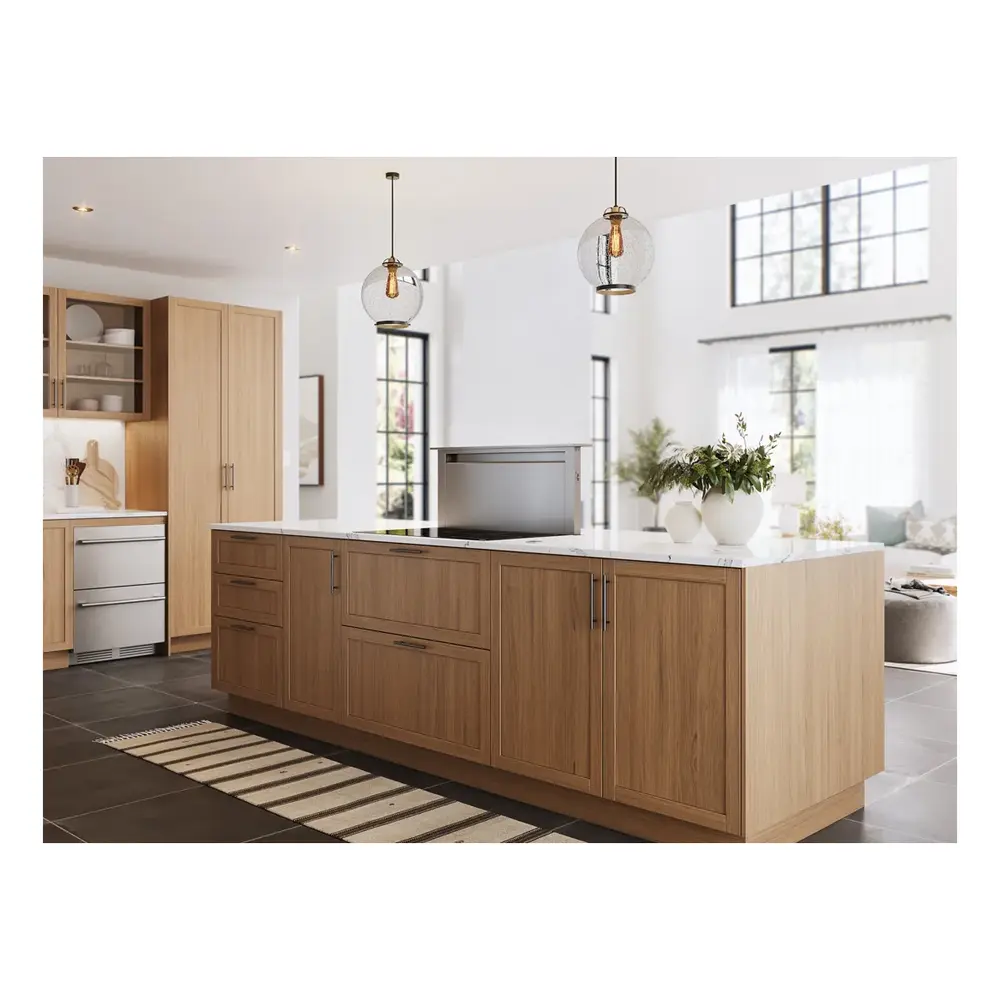
Downdraft range hood shoppers usually want two things: a cleaner sightline over the cooktop and ventilation that fits the kitchen layout. The catch is that downdraft systems are more installation-sensitive than a wall-mount hood, so the right pick depends on airflow, ducting and cabinet space.
In this guide, you’ll learn how downdraft ventilation works, how to think about CFM, and how to judge fit before you order. We’ll also compare three real models so you can see the tradeoffs between size, blower setup and duct options.
How a Downdraft Range Hood Works
A downdraft range hood pulls cooking air downward instead of capturing it overhead. That makes it a smart option when you want a clear view across a cooktop or when a traditional canopy hood would interrupt the kitchen design.
Because the hood has to move air sideways and downward before it exits the kitchen, downdraft ventilation is often more sensitive to duct path, blower location and cooktop placement. That is why the installation details matter just as much as the airflow number.
In practical terms, you are balancing appearance and performance. A downdraft can work very well, but it needs the right cabinet depth, countertop clearance and vent route to do its job efficiently.
How to Choose a Downdraft Range Hood, Step by Step
- 01
Start With Your Cooktop WidthMatch the hood footprint to the cooking surface so the capture area is not undersized. A 30-inch cooktop usually points to a 30-inch class hood, while larger cooktops need a wider housing.
- 02
Check The Cabinet Or Island SpaceDowndraft hoods need room to rise, retract and route ducting. Measure the space behind or beside the cooktop, plus the depth of the counter and the cabinet cavity below.
- 03
Decide How Much Airflow You NeedLook at the CFM rating and think about how often you cook with high heat, simmering pots or searing pans. More active cooking usually benefits from stronger airflow.
- 04
Choose Internal Or Separate Blower SetupSome downdraft models include the blower, while others require one to be purchased or specified separately. That choice affects both installation planning and flexibility during a remodel.
- 05
Confirm Duct Shape And DirectionMake sure the hood’s duct type matches the path in your kitchen. Round and rectangular options are not interchangeable without planning, so this step can save major installation headaches.
- 06
Review The Controls And Hood ProfileSimple controls can be easier to use in a busy kitchen, and a slimmer profile may matter if you want a cleaner counter line. Retractable designs are especially useful where visual openness is a priority.
- 07
Compare The Hood To Your Cooking StyleIf you cook often and want a more custom installation, a higher-spec model can be worth the extra planning. If you mainly want a functional downdraft for everyday use, focus on fit, ducting and a clear airflow spec.
Our Picks by Budget
Starter Pick: Broan 273603
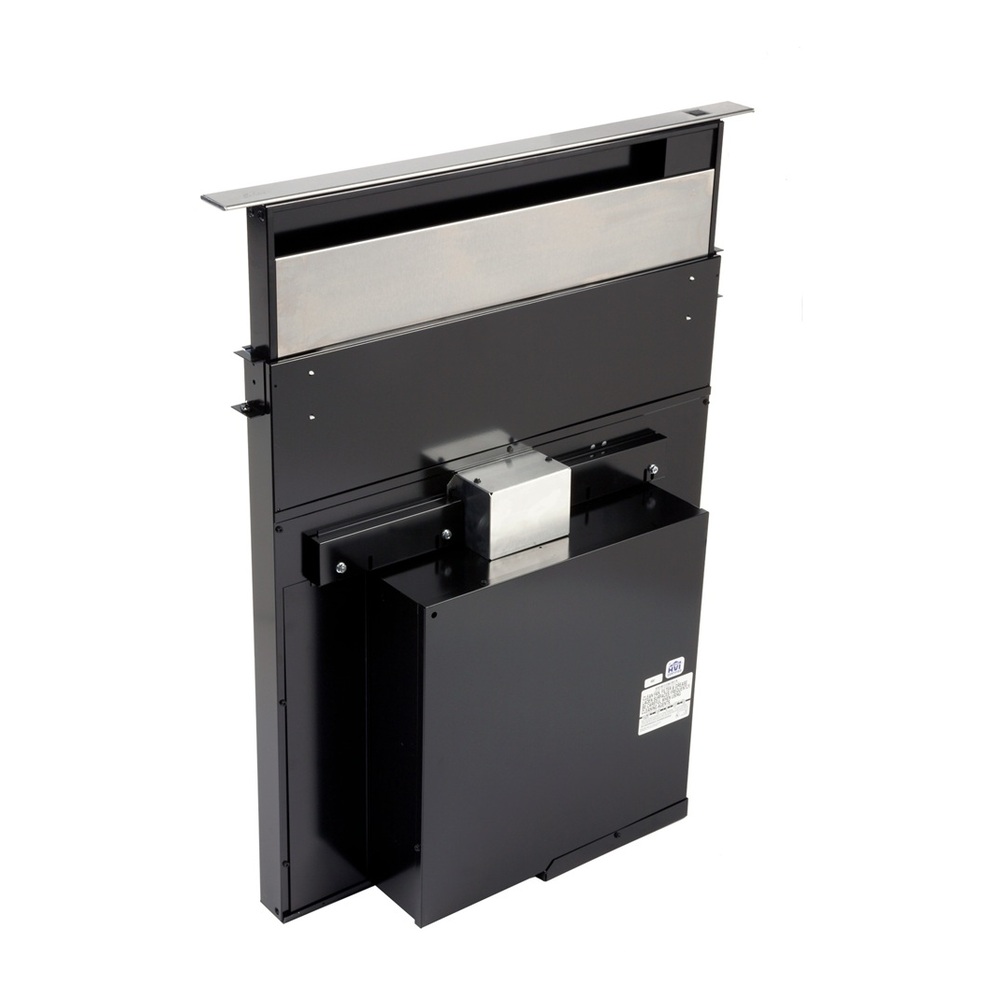
Broan 273603 36 inch Ducted Downdraft Range Hood with 600 CFM, Rotary Switch Control and HVI Certified in Stainless Steel
The Broan 273603 is the most straightforward downdraft option in this group if you want a ducted system with a clear airflow spec and a simple control approach. Its 600 CFM rating gives you strong ventilation on paper, and the 36-inch width makes it a natural fit for a larger cooking surface or an island layout. What makes it appealing is the no-nonsense design. You get a rotary switch control, a 7-inch depth, a rectangular duct type and UL Listed certification, which helps when you are mapping the appliance into a remodel or replacement project. If your priority is function over extras, this is a practical place to start.
- Simple, direct downdraft format
- Strong airflow for the category
- Wide 36-inch coverage
- UL Listed
- Blower details are not shown separately
- Fewer feature details than some competitors
Internal Blower: Zephyr ZTVE36AS
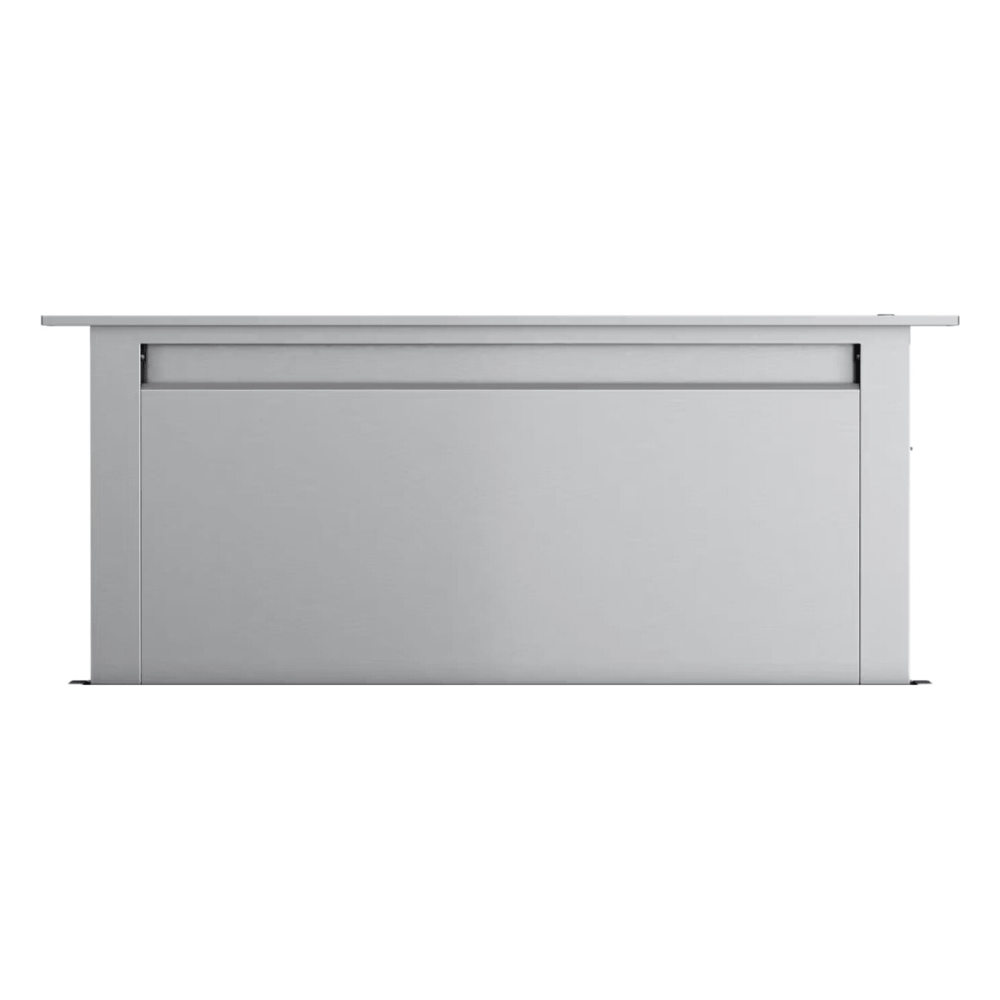
Zephyr ZTVE36AS 36 inch Core Series Treviso Downdraft Hood with 600 CFM, 14 inch Chimney Rise, and Airflow Control Technology in Stainless Steel
The Zephyr ZTVE36AS stands out because it combines a 600 CFM rating with an internal blower, so the hood is more self-contained than a blower-sold-separately design. That can simplify the planning stage if you want a cleaner path from product selection to installation. Its 14 1/2-inch depth and 35 15/16-inch width show that it is built for a substantial cooking area, and the 14-inch chimney rise adds another useful fit detail for cabinetry and countertop planning. The Core Series branding and Airflow Control Technology suggest a more refined ventilation package for kitchens where performance and layout both matter.
- Internal blower simplifies setup
- Strong 600 CFM rating
- Useful chimney rise detail
- Good fit for a wide cooktop
- Depth is larger than some other downdraft models
- No energy rating listed
Compact Profile: Bosch HDD80052UC
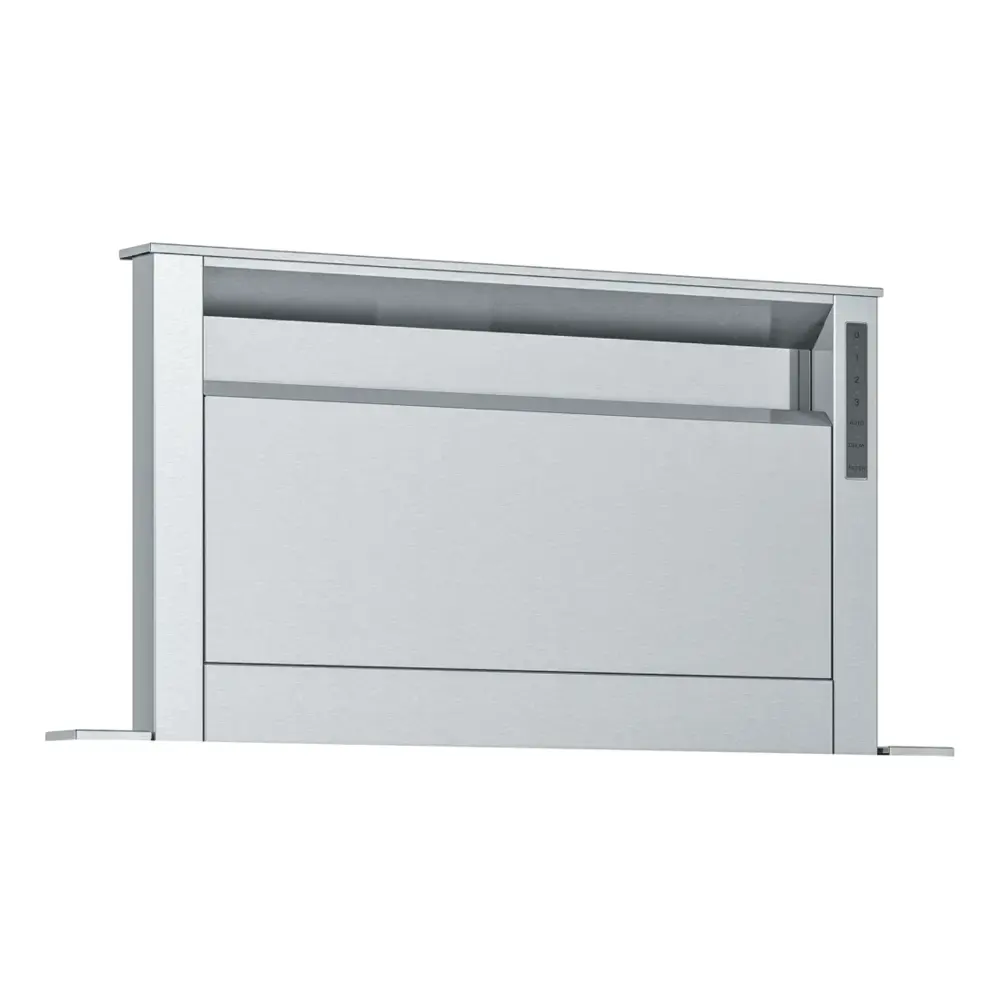
The Bosch HDD80052UC is the most compact-feeling option here by width, and that matters a lot in downdraft planning. At 31 inches wide with a 2 3/4-inch depth, it gives you a relatively slim footprint for a 30-inch-class cooking zone while still listing 600 CFM. This model is especially useful if you want a retractable design and a cleaner counter line. It also includes 3 speeds, a charcoal filter and a splatter guard, which makes it feel more feature-rich than a bare-bones mechanical hood. Because the blower is sold separately, it is a better fit for shoppers who are comfortable planning the installation in more detail.
- Very slim depth profile
- Retractable design
- Feature set includes charcoal filter and splatter guard
- More compact width than the 36-inch options
- Blower sold separately
- Less width coverage than larger models
Downdraft Range Hood Comparison
Broan 36" | Zephyr 36" Core | Bosch 30" 800 Series | |
| Model | 273603 | ZTVE36AS | HDD80052UC |
|---|---|---|---|
| Price | $899 | $1,599 | $1,949 |
| CFM | 600 | 600 | 600 |
| Type | Downdraft | Downdraft | Downdraft |
| Width | 36" | 35 15/16" | 31" |
| Depth | 7" | 14 1/2" | 2 3/4" |
| Blower Type | Internal | Internal | Blower Sold Separately |
| Duct Type | Rectangular | Round | Round and Rectangular |
| Series | Not included | Core | 800 Series |
| Voltage | 120 Volts | 120 Volts | 120 Volts |
| Wi-Fi | Not included | Not included | Not included |
| View | View | View |
Downdraft Range Hood Pros and Cons
- Keeps sightlines open over the cooktop
- Works well for islands and peninsula layouts
- Can be a clean architectural choice in open kitchens
- Lets you avoid a bulky overhead canopy
- Available in both integrated and custom-install styles
- Usually requires more careful duct planning than overhead hoods
- Can be more sensitive to cabinet, counter and cooktop layout
- Blower setup may add complexity on some models
- Capture performance depends heavily on installation quality
Downdraft Range Hood CFM and Blower Choices
CFM tells you how much air the hood can move per minute. For downdraft systems, that number matters because the hood has to fight rising steam and grease while moving air through a more complex path than an overhead hood.
The featured models all sit at 600 CFM, but they do not install the same way. The Bosch HDD80052UC lists the blower as sold separately, the Zephyr ZTVE36AS includes an internal blower, and the Broan 273603 is a ducted downdraft with a fixed airflow spec.
If you want a simpler planning process, the blower-included model is easier to map out. If you are building a custom ventilation setup, a blower-sold-separately model can give you more flexibility during installation.
Fit, Width and Cabinet Planning for Downdraft Installation
The most important fit number is the cooktop width and the hood width together. A 30-inch cooktop usually pairs with a 30-inch or slightly wider hood opening, while a 36-inch setup needs a wider housing and enough counter space for the hood mechanism.
Also check the depth and the height of the hood body when it is installed.
If your cabinet or island plan is tight, the narrower footprint is usually easier to work with. If you have more room and want a larger capture area, the wider chassis can make more sense.
Shop downdraft range hoods and compare sizes, blower setups and fit details for your kitchen.
Shop Downdraft HoodsFrequently Asked Questions
What Is A Downdraft Range Hood Used For?
A downdraft range hood is used to capture smoke, steam and grease from a cooktop without adding a hood above it. It is often chosen for islands, peninsula layouts or kitchens where an overhead hood would block sightlines. The vent rises only when you need it, then retracts when cooking is done.
How Much CFM Do I Need For A Downdraft Range Hood?
For many home kitchens, 600 CFM is a strong downdraft option because it gives the system more power to move air through the longer vent path. The right number still depends on your cooktop size, cooking style and duct layout. Heavier cooking usually calls for stronger airflow and a better-planned duct run.
Do Downdraft Range Hoods Need To Vent Outside?
Many downdraft systems are designed for ducted installation, and that is usually the most effective setup. Some models use recirculating or charcoal filtration in other hood categories, but the downdraft models here are focused on ducted ventilation. Always confirm the duct type and the blower setup before planning the install.
Can A Downdraft Hood Work With A Gas Cooktop?
Yes, a downdraft hood can work with a gas cooktop when the airflow and installation are properly matched to the appliance. The key is capture performance, since gas produces more heat and combustion byproducts than a smooth electric cooktop. A good fit and a direct duct path become especially important.
What Should I Measure Before Buying A Downdraft Range Hood?
Measure the cooktop width, the cabinet or island space, the countertop depth and the planned duct route. You should also confirm whether the blower is built in or sold separately, because that changes installation planning. Those four checks prevent most fit problems before the hood arrives.