
How to Care for Panel-Ready Refrigeration (A Complete Maintenance and Preservation Guide)

Introduction
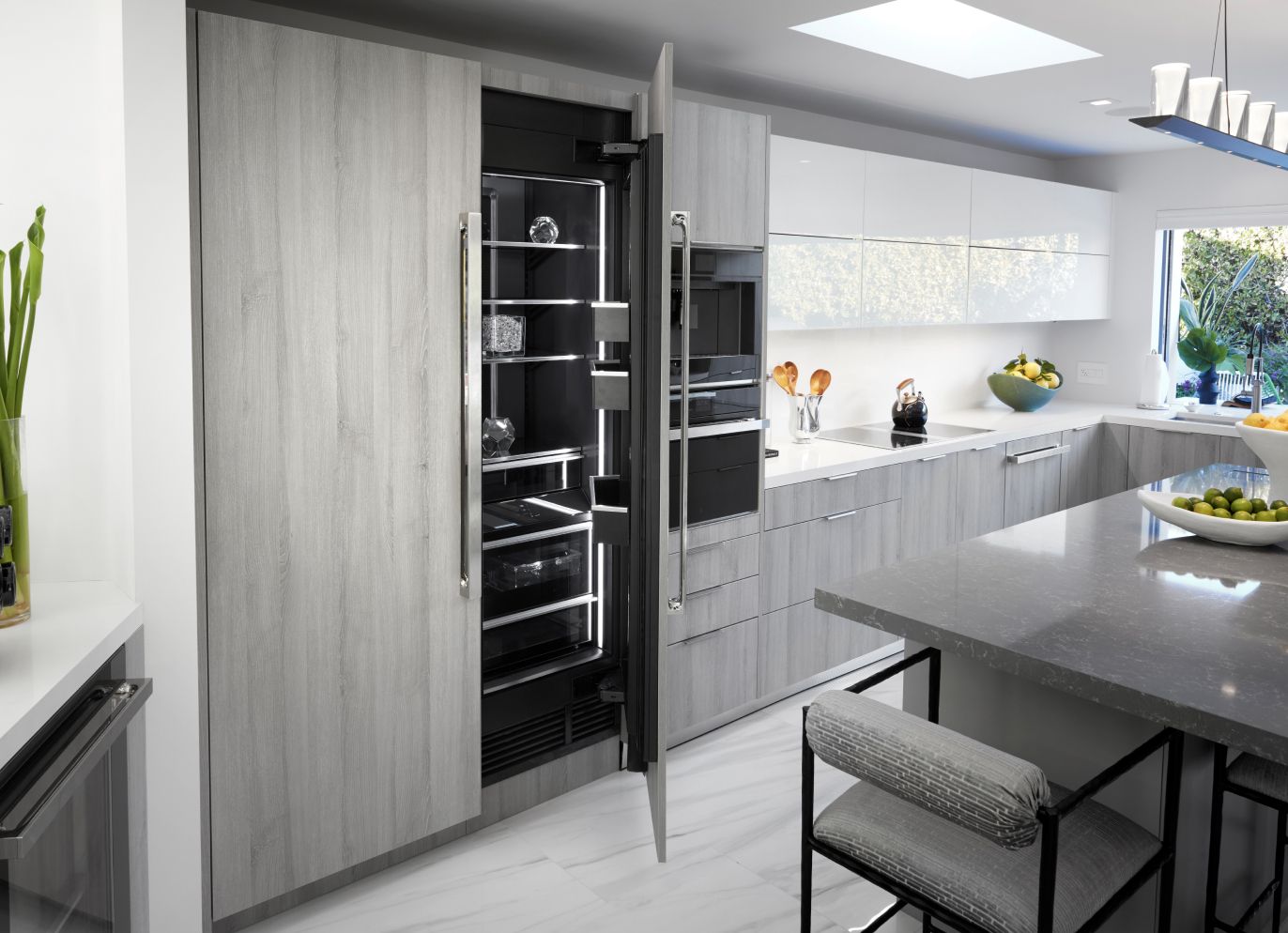
Panel-ready refrigeration offers a seamless, built-in look that blends perfectly with kitchen cabinetry. While visually appealing, these appliances require more intentional care than standard stainless steel units.
Improper cleaning, excess moisture, or neglecting mechanical components can lead to misalignment, finish damage, or reduced performance over time. This guide covers everything needed to maintain both the appliance and its cabinet panels safely and effectively.

What Makes Panel-Ready Refrigeration Different
Unlike standard refrigerators, panel-ready models integrate custom cabinet fronts. This means:
- The exterior surface is not factory-finished metal
- Cabinet materials such as wood, laminate, or painted MDF are exposed to kitchen conditions
- Hinges and mounting systems carry additional weight
Because of this, care must address both appliance performance and cabinet preservation.
Daily Care Routine
Consistent, light maintenance prevents buildup and long-term damage.
Exterior Panels
- Wipe with a soft microfiber cloth and warm water
- Use finish-safe cleaners depending on cabinet material
- Dry immediately to prevent moisture absorption
Handles and Touch Points
- Clean frequently to remove oils and residue
- Use mild soap solutions, never harsh disinfectants
Interior Maintenance
- Wipe spills immediately
- Use a mild mix of soap and water or baking soda solution
- Avoid strong chemical cleaners inside food storage areas
Safe Cleaning Products by Finish
Choosing the wrong product is one of the most common causes of damage.

Wood Panels
- Mild dish soap and warm water
- Specialty wood cleaners when needed
- Avoid excess moisture and harsh degreasers
Image Credit: Shop Appliances

Painted Panels
- Diluted vinegar solution if manufacturer-approved
- Gentle, non-abrasive cleaners
- Avoid scrubbing tools that dull paint
Image Credit: Shop Appliances

Laminate Panels
- Non-abrasive spray cleaners
- Damp cloth application only
- Immediate drying to protect seams
Image Credit: Shop Appliances
Mechanical Care and Alignment
Panel-ready refrigeration systems rely on precise alignment.
- Check door alignment regularly
- Tighten hinge screws if doors begin to sag
- Ensure panels sit flush with surrounding cabinetry
- Monitor soft-close function and adjust if needed
Ignoring small alignment issues can lead to long-term stress on hinges and mounting brackets.
Managing Moisture and Temperature
Moisture is the biggest threat to panel-ready finishes.
- Always dry exterior surfaces after cleaning
- Use kitchen ventilation when cooking
- Avoid leaving doors open for extended periods
- Wipe condensation around seals and edges
Proper environmental control helps prevent warping, peeling, and finish breakdown.
Preservation and Long-Term Care
Preserving the appearance and structural integrity of your kitchen cabinets and panel-ready appliances requires a proactive approach. Preventive maintenance is far more cost-effective and easier to manage than the extensive restoration required once finishes or components have failed.
-
Use manufacturer touch-up kits for minor scratches:
Small scratches and chips are inevitable over time, but addressing them early makes a big difference. Manufacturer-approved touch-up pens or kits are designed to match the original finish, helping repairs blend in seamlessly while protecting the surface from further damage. -
Avoid direct heat exposure from nearby appliances:
Constant heat from ovens, cooktops, or small appliances can gradually weaken finishes and adhesives. Be mindful of where heat is directed, and avoid placing heat-generating appliances directly beneath or against cabinet panels whenever possible. -
Maintain consistent indoor humidity levels:
Fluctuations in humidity can cause materials to expand or contract, especially in wood-based panels. Keeping a stable indoor environment helps prevent issues like warping, cracking, or separation over time. -
Inspect seals and edges for early signs of wear:
Edges and seams are often the first areas to show damage. Regularly checking for peeling, gaps, or moisture buildup allows you to address minor issues before they develop into more serious problems.
Preventive care is significantly easier than restoration.

What to Avoid
To protect both cabinetry and appliance components:
- Do not use bleach or ammonia-based cleaners
- Avoid abrasive pads or scrubbing tools
- Never soak cabinet panels
- Do not use unauthorized cleaners on specialty finishes
Always follow manufacturer-specific care guidelines when available.
Usage Habits That Extend Lifespan
Small behavioral changes make a measurable difference.
- Minimize unnecessary door opening
- Avoid slamming doors to protect hinge systems
- Do not overload door shelves, which adds stress to panels
- Close doors fully to maintain internal temperature and seal integrity
Common Mistakes to Watch For
- Treating panels like stainless steel surfaces
- Using all-purpose cleaners without checking compatibility
- Ignoring early hinge misalignment
- Allowing grease buildup near handles and edges
Conclusion
Panel-ready refrigeration blends seamlessly into your kitchen, but keeping it in top condition takes thoughtful care. With the right cleaning methods, proper alignment, and a stable environment, you can protect both performance and appearance for years to come.
Ready to upgrade or maintain your setup with confidence? Explore premium panel-ready refrigeration and expert resources at ShopAppliances.com to keep your kitchen looking flawless and running efficiently.
FAQs
How do I clean the custom wood panels on my refrigerator?
Clean the surface with a soft cloth or sponge dampened with soapy water or a mixture of vinegar and water. Always pay close attention to the area around the handle, as it is most susceptible to grease and stickiness. Most importantly, dry the surface immediately with a towel to prevent moisture damage to the finish.
Can I use vinegar to clean the interior of my refrigerator?
No, you should not use vinegar to clean the interior of your refrigerator.
According to specific manufacturer guidelines, you should strictly avoid using vinegar, rubbing alcohol, or any other alcohol-based cleaners on any internal surface. Using these substances can potentially damage the plastic liners and other interior components.
How should I care for specialty panels made of leather?
For regular maintenance under normal conditions, you only need to perform routine dusting and vacuuming of the crevices and bottom of the leather panels. If minor spots or spills occur, you should wipe up excess liquid immediately with a clean, absorbent cloth or sponge. For more persistent marks, you can use a cloth lightly moistened with lukewarm water, but you must allow the leather to dry naturally afterward.
It is critical to avoid using a hairdryer to speed up the drying process, as the heat can cause permanent damage to the leather. Additionally, you should never use saddle soap, cleaning solvents, furniture polish, oils, varnish, abrasive cleaners, detergent soaps, or ammonia on these specialty surfaces.
What is the best way to prevent mold on door gaskets?
To prevent mold from forming on refrigerator door gaskets, you should focus on regular cleaning, maintaining a dry environment, and managing the kitchen’s humidity. Mold thrives in the moist, dark environment of the gasket folds where crumbs and food spills often collect.
What should I do if my custom panels are misaligned or the door is uneven?
If your custom panels are misaligned or your refrigerator doors are uneven, you can often correct the issue through cabinet leveling or specific hinge adjustments. Misalignment is commonly caused by heavy use, uneven flooring, or overloading door compartments with heavy items.
Read More
Ultimate Guide to Customizable Home Appliances: Handles, Trim, Finishes, and Panel Styles Explained
How to Pair Luxury Refrigeration with Custom Cabinetry (Complete 2026 Design Guide)
Panel Ready vs Stainless Steel Which Fits Your Kitchen Design
Design Trends: Comparing 1950s Pastel Appliances to Modern Stainless Steel
How to Pair Steam, Speed, and Wall Ovens (Your 2026 Ultimate Guide)