
Why Panel-Ready Appliances Require Earlier Planning Than Stainless

For many homeowners, the traditional stainless steel refrigerator has long been the "default" choice, valued for its professional appeal and "plug and play" simplicity. However, these "hulking silver giants" can often create a massive metallic gap that interrupts the visual flow of a custom kitchen. Panel-ready appliances offer a sophisticated alternative; they are specialized units built with heavy-duty hinges and unfinished fronts designed to accept custom cabinet panels that match your surrounding millwork exactly. By allowing large appliances to virtually disappear into the cabinetry, this design creates a seamless, furniture-like aesthetic that lets other features, such as a statement island or decorative backsplash, take center stage.
While the result is a "wow-worthy" custom kitchen, achieving this look requires a holistic design approach and significantly more upfront planning than standard installations. Because panel-ready units must sit perfectly flush with adjacent cabinets, even a one-to-two-inch dimensional error can ruin the entire installation. Success depends on early and meticulous coordination between architects, cabinet makers, and installers to confirm precise specifications, manage long-lead times for custom fabrication, and ensure that mechanical infrastructure, like recessed electrical and plumbing, is positioned correctly before construction even begins.
What Are Panel-Ready Appliances?
Panel-ready appliances are specialized units manufactured with flat, unfinished fronts and heavy-duty hinges designed to accept custom cabinet panels. Unlike standard stainless steel or black appliances, these units do not come with a finished exterior; instead, they allow a cabinet maker to create a wood or laminate face that matches your kitchen cabinetry exactly.
Once installed, the custom panel is attached to the appliance using a sophisticated mounting bracket system, allowing the unit to blend seamlessly into the surrounding cabinetry. The primary goal of this design is to create a fully integrated, "hidden" look where large appliances, such as refrigerators and dishwashers, virtually disappear into the kitchen's furniture-like aesthetic.
While most frequently used for refrigerators and dishwashers, panel-ready options are also available for freezers, wine storage, beverage centers, and select specialty appliances. Only appliances specifically labeled as "panel-ready" are engineered with the necessary frame depth and specialized hinges to handle the weight and thickness of these custom cabinet faces.

Image Credit: Zephyr
Cabinet and Layout Dependency
Panel-ready appliances are not standalone elements; they are fully dependent on cabinetry design and kitchen layout. Unlike stainless steel units that can fit into standard openings, panel-ready models must be integrated precisely within custom-built cabinet dimensions to achieve a true flush appearance.
This makes exact measurements and spacing critical. Even a small discrepancy of one to two inches can prevent proper door alignment, interfere with hinge operation, or create visible gaps that break the seamless look. Because of this, appliance specifications must be confirmed before cabinetry is finalized, not after.
Early coordination with cabinet makers, designers, and installers is essential. Cabinet depth, door swing clearance, and adjacent panel thickness all need to be planned in tandem with the appliance’s requirements. Waiting too long to make these decisions increases the risk of costly adjustments or, in worst cases, a complete redesign.
If planning happens too late, misalignment between the appliance and surrounding cabinetry can compromise both functionality and aesthetics, undermining the entire purpose of going panel-ready.
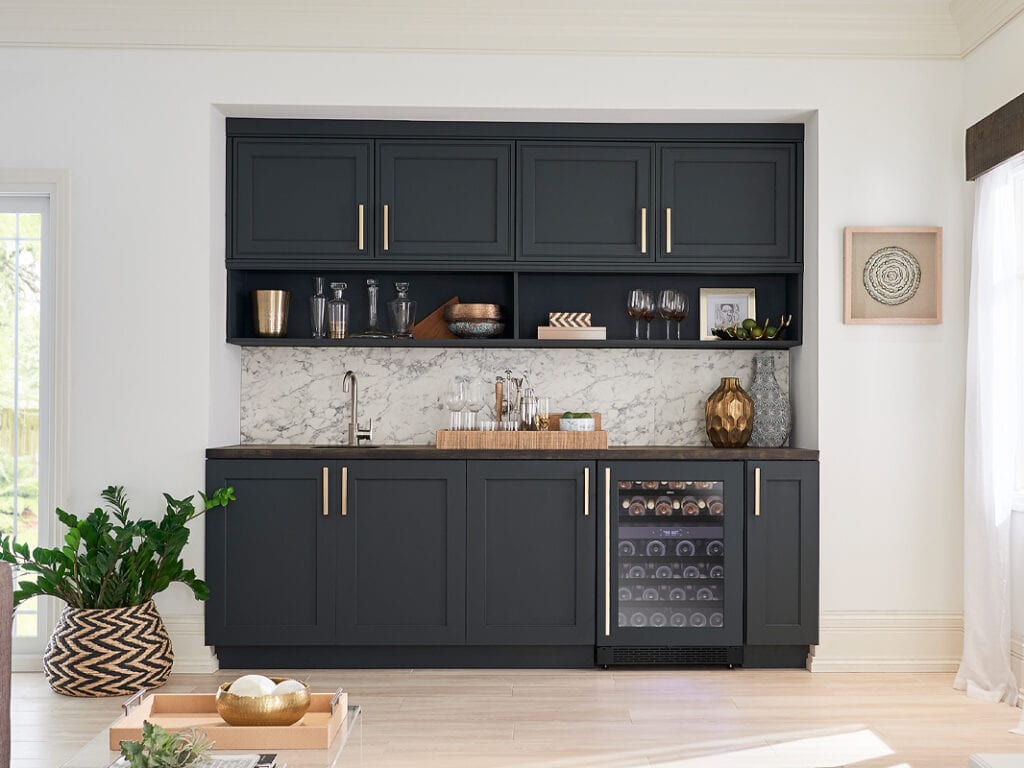
Image Credit: Zephyr
Custom Panel Integration
A defining feature of panel-ready appliances is the use of custom panels that match surrounding cabinetry in style, color, and finish. These panels are not included with the appliance and must be fabricated separately to ensure a cohesive, furniture-like appearance.
Achieving this look requires close collaboration between appliance specifications and cabinet design. Panel thickness, weight, and mounting requirements must align with the appliance’s engineered bracket system and heavy-duty hinges. If these elements are not coordinated early, installation issues such as improper fit or door sagging can occur.
Custom panels also introduce lead times that must be factored into the project schedule. Since they are typically built alongside the rest of the cabinetry, delays in confirming appliance specs can push back fabrication and installation timelines.
Installation itself demands a high level of precision. Panels must be mounted perfectly to maintain alignment with adjacent cabinet doors, ensuring consistent reveals and smooth operation. This level of detail is what ultimately delivers the seamless aesthetic, but it requires careful planning from the start.
Limited Flexibility for Changes
One of the biggest trade-offs with panel-ready appliances is the lack of flexibility once the project moves forward. Because cabinetry is built specifically around the appliance, making changes later becomes significantly more difficult and expensive.
After cabinets are installed, swapping appliances is no longer a simple replacement. New models may have different dimensions, hinge placements, or panel mounting systems, which means existing custom panels may no longer fit. In many cases, this requires ordering new panels or modifying cabinetry, adding both cost and time.
Layout changes can be even more complex. Adjusting appliance placement often involves redesigning surrounding cabinets, reworking panels, and potentially altering electrical or plumbing connections.
For this reason, choosing panel-ready appliances requires a high level of commitment early in the project. Decisions that might be flexible with stainless steel must be finalized upfront to avoid costly rework later.

Image Credit: Thor Kitchen
Cost and Installation Timing
Panel-ready appliances typically involve a higher total investment compared to standard stainless steel options. In addition to the appliance itself, homeowners must account for the cost of custom panels, specialized hardware, and skilled labor for installation.
Installation is more labor-intensive due to the need for precise alignment, panel mounting, and coordination between multiple trades, including cabinet makers and appliance installers. This added complexity contributes to increased labor costs.
Project timelines are also longer. Panel-ready installations require careful sequencing, where appliances, cabinetry, and panels must all be ordered and delivered in the correct order. Delays in one component can affect the entire schedule.
To avoid setbacks, it is critical to order appliances early and align them with cabinet production timelines. Proper planning helps prevent delays and ensures all components come together smoothly during installation.
Design Control and Aesthetic Consistency
The primary reason homeowners choose panel-ready appliances is the unmatched level of design control and visual consistency they offer. By concealing appliances behind custom panels, the kitchen achieves a seamless, integrated appearance where everything feels like part of a unified design.
This approach allows large appliances, such as refrigerators and dishwashers, to blend into the cabinetry, eliminating the visual interruption of exposed metal finishes. The result is a clean, cohesive look that enhances the overall space.
Panel-ready designs are especially popular in modern, luxury, and minimalist kitchens, where simplicity and uniformity are key. By removing visual clutter, they allow other elements, such as a statement island or backsplash, to stand out.
Despite the added complexity and planning requirements, many homeowners prioritize panel-ready appliances because they deliver a high-end, custom aesthetic that stainless steel simply cannot replicate.
Panel-Ready vs Stainless Steel: Key Differences
Choosing between panel-ready and stainless steel appliances involves weighing design goals against budget and installation complexities. The following comparison highlights the fundamental differences across four key categories.
| Feature | Panel-Ready | Stainless Steel |
|---|---|---|
| Aesthetics | Seamlessly integrates with cabinetry for a "hidden" look, turning appliances into tailored furniture. | Features an exposed metallic finish that offers a professional, industrial appeal but remains visually distinct. |
| Cost | Higher total investment. Requires the cost of the appliance plus custom cabinet panels and specialized labor. | More accessible. Generally cheaper upfront and does not require additional custom materials. |
| Installation | Complex. Requires precise coordination between appliance installers and cabinet makers to ensure a flush fit. | Straightforward. Often considered "plug and play," requiring standard open space and basic utility hookups. |
| Flexibility | Limited. Harder to replace later; new appliances may not fit existing custom panels. | High. Timeless finish that coordinates easily with future cabinet or countertop updates. |
Why Planning Requirements Differ
Planning for these two finishes differs significantly because panel-ready appliances are foundational to the kitchen's architecture, whereas stainless steel units are often treated as independent components.
- Dimensional Precision: For a panel-ready unit to achieve a truly integrated, "flush" look, the cabinetry must be built specifically around the appliance's exact measurements. Even a one-to-two-inch difference can ruin the installation or prevent doors from opening properly. Stainless steel units are typically freestanding or standard built-ins, allowing for more "forgiving" gaps.
- Infrastructure Coordination: Panel-ready installations require early mechanical planning. Electrical outlets and plumbing lines must be placed in specific "recessed" locations so they do not interfere with the appliance sitting flush against the back wall.
- Cabinetry Design and Lead Times: Because custom panels must match the thickness and style of the surrounding doors, they must be ordered and fabricated alongside the rest of the kitchen. This requires confirming appliance specs before finalizing the cabinet order to avoid costly rework later.
- Specialized Hardware: Unlike stainless models, panel-ready units require heavy-duty hinges and specialized mounting brackets to support the significant weight of custom wood or laminate panels. These requirements must be communicated to the cabinet maker during the design phase to prevent door sagging.
Read More: Panel Ready vs Stainless Steel Which Fits Your Kitchen Design
When Panel-Ready Makes Sense (and When It Doesn’t)
Choosing between panel-ready and stainless steel appliances involves balancing aesthetic goals, project scope, and financial considerations.
When Panel-Ready Makes Sense
Panel-ready appliances are most effective in the following scenarios:
- Full Remodels and Custom Kitchens: These appliances are ideal for high-end renovations where every detail is carefully planned from the start to achieve a "wow-worthy" custom look. They are specifically designed to accept custom covers that match your cabinetry exactly, allowing the appliance to virtually disappear into the surrounding furniture.
- Open-Concept Layouts: In homes where the kitchen is visible from the living or dining areas, panel-ready units prevent a "massive, metallic gap" in the cabinetry, maintaining a seamless visual flow. This cohesive design helps the room feel larger and more intentional.
- Highlighting Other Design Elements: By removing the visual interruption of a large metal refrigerator or dishwasher, you allow other features, like a decorative backsplash or a statement island, to take center stage.
- Increasing Resale Value: In upscale luxury markets, a fully integrated, "hidden" kitchen is often viewed as a premium feature that justifies a higher asking price and signals that no expense was spared on the home's infrastructure.


When Stainless Steel is the Better Option
Stainless steel remains the practical choice for homeowners in these situations:
- Budget Constraints: Panel-ready models typically carry a higher upfront cost than their stainless steel counterparts. Additionally, you must budget for the custom cabinetry panels and the specialized labor required for installation, which can add thousands of dollars to your total project cost.
- Quick Upgrades and Replacements: Stainless steel appliances are generally "plug and play," making them much easier to install without the need for a finish carpenter. If an appliance breaks years later, replacing a stainless steel unit is straightforward, whereas a panel-ready unit may require entirely new cabinetry panels if the new model's dimensions or hinge points have changed.
- Storage Capacity Needs: To achieve a flush, hidden look, panel-ready units are often counter-depth and narrower. Standard-depth stainless steel refrigerators typically offer larger interior volumes, which may be better suited for families with heavy grocery needs.
- Design Flexibility: Stainless steel is a timeless, professional finish that coordinates easily with nearly any kitchen style. If you decide to paint or replace your cabinets in the future, stainless steel appliances will still match, whereas panel-ready units would require new custom panels.
Planning Checklist Before Choosing Panel-Ready
Confirm cabinet specs early
Coordinate with designer and contractor
Order appliances ahead of cabinetry
Plan for panel fabrication timelines
Budget for installation complexity
Conclusion
Panel-ready appliances deliver a premium, fully integrated look that elevates the entire kitchen, but that design payoff comes with a clear requirement: early commitment and precise planning. Unlike stainless steel options, these appliances must be considered from the very beginning of the design process to ensure proper fit, alignment, and functionality.
By coordinating appliance specifications with cabinetry, timelines, and installation requirements upfront, homeowners can avoid costly mistakes, delays, and redesigns. When planned correctly, panel-ready appliances not only enhance visual consistency but also create a refined, custom space that feels intentional in every detail.
Ready to Start Your Panel-Ready Kitchen Project?
Explore premium panel-ready appliances at ShopAppliances.com and find the perfect models to match your design vision. From built-in refrigerators to integrated dishwashers, our curated selection makes it easy to plan your kitchen with confidence from the very beginning.
Shop now and get expert support, competitive pricing, and fast delivery to keep your project on track.
FAQs
Why do panel-ready appliances require early planning?
They must be coordinated with cabinetry, layout, and installation requirements before construction begins to avoid misalignment or costly changes.
Are panel-ready appliances more expensive?
Yes, they typically cost more due to custom panels, specialized installation, and additional labor.
Can I replace a panel-ready appliance easily?
Not always. Replacing one may require new panels or cabinet modifications if the new model has different dimensions or mounting requirements.
When should I order panel-ready appliances?
You should order them early in the design phase, before finalizing cabinetry, to ensure proper fit and alignment.
Do panel-ready appliances affect storage space?
Some models, especially counter-depth refrigerators, may have slightly less interior capacity compared to standard-depth options.
Why buy from ShopAppliances.com?
ShopAppliances.com is an authorized dealer offering competitive pricing, full manufacturer warranties, fast delivery, and expert support.
Read More
Panel Ready vs Stainless Steel Which Fits Your Kitchen Design
How to Care for Panel-Ready Refrigeration (A Complete Maintenance and Preservation Guide)
Ultimate Guide to Customizable Home Appliances: Handles, Trim, Finishes, and Panel Styles Explained
How to Pair Luxury Refrigeration with Custom Cabinetry (Complete 2026 Design Guide)
Design Trends: Comparing 1950s Pastel Appliances to Modern Stainless Steel