
How to Winterize Outdoor Appliances: Complete Guide for Grills, Fridges, Plumbing, and More

Winterizing your outdoor appliances is a critical maintenance process designed to ensure their long-term performance and preserve their aesthetic appeal. By preparing various systems for harsh cold months, you minimize the possibility of system failure and significant equipment damage. Ultimately, this proactive care protects your high-end investments, saving you time, money, and hassle by ensuring everything remains functional for the next season.
Risks of Skipping Winter Prep
Failing to perform winter maintenance carries severe risks, primarily driven by moisture and extreme temperature fluctuations.
- Freezing and Bursting: The most immediate threat is water freezing and expanding within pipes, faucets, or internal appliance circuits, which can lead to burst plumbing and expensive flooding.
- Cracking: Freeze-thaw cycles can compromise the structural integrity of materials like brick, causing expansion and potential damage to ovens.
- Corrosion and Electrical Failure: Prolonged exposure to moisture and debris often results in rust and corrosion of metal surfaces, while electrical systems left connected are liable to short out.
- Warranty Issues: Neglecting specific winterization steps, such as failing to shut down a refrigerator when temperatures drop below 38°F, may void manufacturer warranties.
- Biological Growth: Trapped moisture in units like air conditioners or cartridge filters can invite mold and mildew growth.
Who This Guide Is For
This guide is a comprehensive resource for homeowners and professionals maintaining various outdoor living environments:
- Outdoor Kitchens: Covers the protection of luxury stainless steel cabinetry, grills, pizza ovens, cooktops, refrigerators, and ice makers.
- Patios: Offers maintenance tips for portable patio heaters, retractable awnings, and outdoor furniture.
- Pools: Provides procedures for winterizing critical equipment like heaters, pumps, and sand or cartridge filters.
Whether managing a residential backyard or a commercial entertainment space, following these steps ensures your gear can withstand the elements and last for years to come.

Image Credit: Pinterest
Quick Winterization Checklist
This checklist summarizes critical actions to protect your outdoor investments.
- Shut Off Utilities: Disconnect gas and water supply lines to all equipment that will not be used during the winter.
- Drain and Blow Out Lines: Open drain valves and use a regulated air compressor (set to 50–60 psi) to clear all water from supply lines and internal circuits to prevent bursting.
- Disconnect Power: Turn off units at the circuit breaker and unplug power cords to prevent electrical shorts.
- Deep Clean: Thoroughly clean all internal and external surfaces with non-abrasive, antibacterial cleaners and stainless steel polish.
- Clear Ventilation: Remove front toe-grilles and use a vacuum to clear dirt, debris, and pests from the machine compartments.
- Manage Moisture: Leave appliance doors open to allow interiors to dry completely to prevent mold growth. Use Propylene Glycol antifreeze in P-traps and drains.
- Apply Protection: Coat stainless steel with car wax to prevent moisture spotting. Season cooking grates and cast-brass burners with vegetable oil to prevent rust.
- Secure Proper Covering: Use breathable, high-quality covers (like marine vinyl or heavyweight polyester) for furniture and grills, but avoid full wraps on AC units to prevent trapping moisture.
Refrigerators and Ice Makers
Winterizing outdoor refrigerators and ice makers is important because cold weather can damage internal components, freeze leftover water in the system, and lead to issues like cracked lines, corrosion, mold, and unpleasant odors. Taking the time to prepare these appliances before temperatures drop helps protect their appearance, preserve performance, and reduce the risk of costly repairs when warmer weather returns. The steps below outline how to properly shut down, clean, and protect both refrigerators and ice makers for the winter season.
Refrigerators
- Switch off power
- Clean all exposed exterior surfaces
- Remove the front grills and clean behind them
- Reattach the front grill securely
Ice Makers
- Switch off power
- Turn off the water supply line
- Use compressed air to blow out the water supply line
- Unplug the unit
- Remove all ice from the bin and clean the front grill
- Reattach the front grill
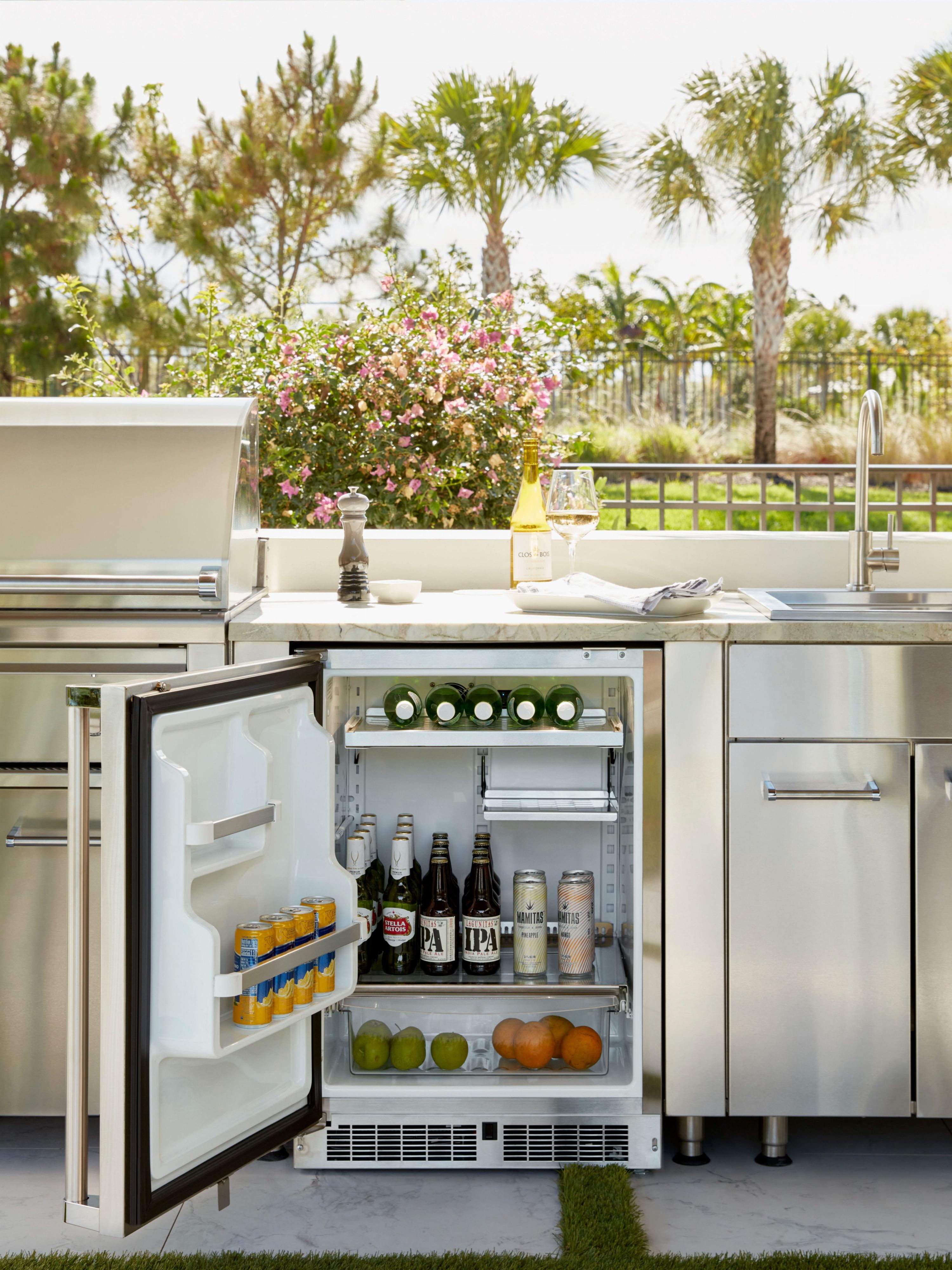
Image Credit: Viking
Pro Tips
- Move units indoors if they are not rated for freezing temperatures
- Use breathable, weatherproof covers if left outside
Taking the time to properly winterize your outdoor refrigerator and ice maker helps prevent internal damage, eliminates moisture related issues, and keeps components in working order. With the right preparation, your units will stay protected through the cold months and be ready for reliable use when temperatures rise again.
Grills, Pizza Ovens, and Cooktops
Winterizing grills, pizza ovens, and cooktops is essential to prevent grease buildup from hardening, protect metal surfaces from rust and corrosion, and ensure gas components remain safe and functional. Exposure to moisture and cold temperatures can degrade materials, clog burners, and create safety risks if not properly maintained. Preparing these appliances for winter helps extend their lifespan and ensures they are clean, safe, and ready for use when the season changes.
Grills
- Clean the exterior thoroughly
- Re-season cooking surfaces
- Keep the hood vent closed when not in use
Pizza Ovens
- Clean the exterior
- Remove debris from the baking stone
- Empty the crumb tray
- Turn off the gas supply when not in use
Cooktops
- Wipe the entire burner with a clean cloth and a light coat of vegetable oil
- Turn off the burner
- Replace the cover
- Turn off the gas supply when not in use
Gas Supply
- Ensure all gas lines are fully shut off before winter
- Disconnect propane tanks if applicable and store safely outdoors in a ventilated area
Pro Tips
- Use stainless steel cleaners to prevent corrosion
- Keep wood-fired ovens dry to avoid moisture damage
Properly preparing your cooking appliances for winter protects them from grease buildup, rust, and potential gas related issues. A little maintenance now ensures better performance, safer operation, and a longer lifespan, so your outdoor kitchen is ready to go when grilling season returns.
Patio Heaters
Winterizing patio heaters is important to maintain fuel safety and prevent rust or corrosion caused by exposure to moisture and cold weather. Without proper care, components can degrade, connections may become unsafe, and performance can decline. Preparing heaters for winter helps ensure they remain reliable, safe to use, and in good condition for the next season.
Step by Step Guide
- Turn off and disconnect fuel
- Clean burner components
- Oil wheel joints
- Inspect for rust or damage
- Store indoors or cover securely
- Never store propane cylinders indoors or below ground level
Pro Tips
- Store in a dry, ventilated space when possible
- Use heavy-duty covers to prevent moisture buildup
Taking care of your patio heaters before winter helps maintain safety and prevents wear from moisture and cold exposure. Proper storage and maintenance keep them in good condition, so they are ready to provide warmth and comfort when needed again.
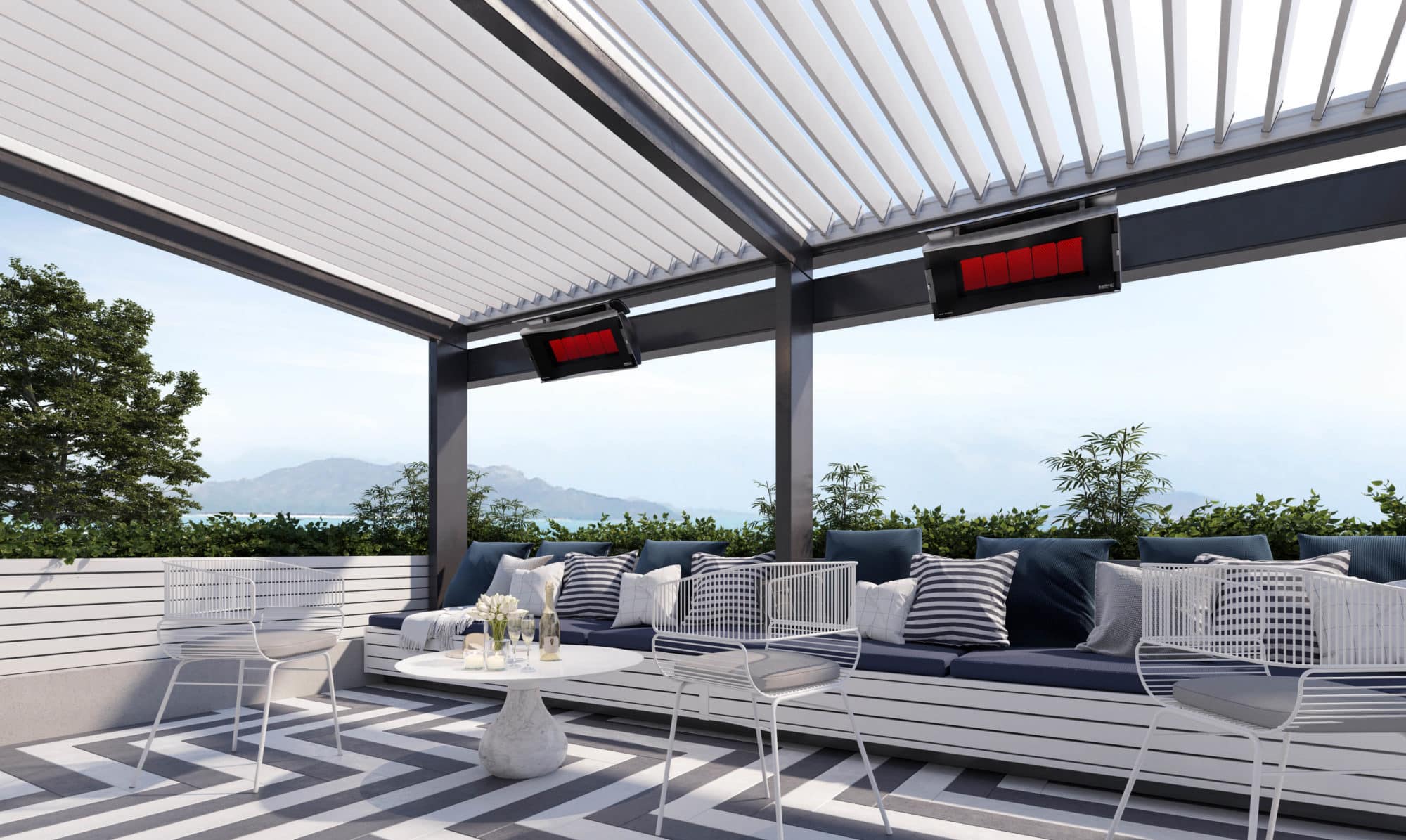
Image Credit: Btomic Heating
Air Conditioning Units
Winterizing air conditioning units helps prevent debris buildup, moisture intrusion, and corrosion during the colder months. Leaves, dirt, and standing water can accumulate around the unit, leading to reduced efficiency and potential damage to internal components. Proper preparation protects the system, extends its lifespan, and ensures it is ready to operate efficiently when warmer weather returns.
Step by Step Guide
- Turn off power at the breaker
- Clean the condenser area
- Remove leaves and debris
- Use a breathable cover or cover only the top
Pro Tips
- Avoid fully wrapping the unit in plastic
- Schedule servicing if the unit has not been maintained recently
- What NOT to do (no full plastic wrap)
- When servicing is needed
Preparing your air conditioning unit for winter helps prevent debris buildup and long term corrosion. With proper care, your system will remain protected through the off season and be ready to operate efficiently when warmer weather returns.
Plumbing and Sinks
Winterizing plumbing and sinks is critical because any remaining water in the lines can freeze, expand, and cause pipes to crack or burst. This type of damage can lead to costly repairs and water leaks when the system is turned back on. Proper preparation helps protect the entire plumbing system, ensuring it remains intact and functional through freezing temperatures.
Step by Step Guide
- Shut off the water supply
- Open all faucets to drain remaining water
- Blow out lines with compressed air if possible
- Disconnect hoses
- Add antifreeze to traps
Pro Tips
- Check for low spots where water may remain trapped
- Hire a professional if your system is complex
Winterizing your plumbing system is one of the most important steps in preventing costly damage. By removing water and protecting pipes, you can avoid cracks, leaks, and system failures, ensuring everything runs smoothly when you reopen your outdoor space.
Pool Equipment
Winterizing pool equipment is essential to prevent damage to pumps, filters, heaters, and plumbing lines caused by freezing temperatures. Water left inside the system can expand when it freezes, leading to cracked components, broken seals, and costly repairs. Proper winterization protects your equipment, extends its lifespan, and ensures a smoother startup when the pool season returns.
Heaters
- Shut off gas and power
- Open all drain plugs
- Remove the ProTek shield module
Pumps
- Remove drain plug and air relief valve
- Take out the internal element and clean it
- Store components indoors in a warm, dry area
Filters
Cartridge Filters
- Remove drain plug and air relief valve
- Remove and clean the cartridge element
- Store indoors in a warm, dry area
Sand Filters
- Backwash the system
- Remove the drain cap
- Set the control valve handle between rinse and filter to allow airflow
Step by Step Guide
- Lower water level
- Drain all equipment
- Remove and store plugs
- Blow out and plug lines
- Install pool cover
Pro Tips
- Winterize before temperatures consistently drop below freezing
- Label and store small parts for easy reassembly
Protecting your pool equipment during the winter months helps avoid expensive repairs and extends the life of key components. Proper shutdown and storage ensure your system stays in good condition and makes reopening your pool much easier in the spring.
Common Winterization Mistakes to Avoid
- Sealing appliances too tightly
- Leaving water in lines
- Skipping cleaning before storage
- Using non-breathable covers
Recommended Covers and Accessories
Protecting your outdoor appliances requires a combination of high-quality fabrics and specific maintenance tools. Below are the recommended covers and accessories:
Covers by Appliance Type
Selecting the correct fabric is critical for durability, UV resistance, and moisture management.
- Grills and Power Equipment: Marine Vinyl is highly recommended because it is waterproof, UV-resistant, and easy to clean. Heavyweight Coated Polyester is also a strong choice for BBQs due to its tear resistance and flexible coatings.
- Patio Furniture and Awnings: Breathable Canvas are ideal for furniture because it prevents moisture buildup while maintaining a traditional look. Coated Polyester is also suitable for furniture and storage bins.
- Brick Ovens: These units often come with a professional-grade cover. It should be secured tightly to protect against snow but must allow for adequate airflow to prevent moisture buildup that can cause expansion damage during freezes.
- Patio Heaters: Domestic models with chrome burners should use full-length covers to prevent rust. When storing any heater, use a cover, even a sheet or blanket, to keep bugs and dust out of the burner.
- Air Conditioning Units: Complete wraps in plastic or vinyl are generally not recommended because they trap moisture and invite rust, mold, and pests. Instead, use a breathable top cover, a piece of plywood secured to the top, or a custom-fitted plastic protector that deflects debris without restricting airflow.
- Cooktops and Sinks: Use stainless steel burner covers for cooktops and secure covers for sinks to prevent debris from entering the drains.
Drain Kits and Antifreeze
- Air Compressors: To clear water lines, use a regulated air compressor set to 50–60 psi. An adapter is used to connect the compressor to the water line to blow out pipes, ice makers, and sinks.
- Antifreeze: Use Propylene Glycol (non-toxic) antifreeze in P-traps, bathtub/shower drains, and sink drains. It should also be cycled through the pumps of dishwashers and washing machines.
- Heating Systems: For properties with hot water baseboard heating, the system should be filled with a water-inhibited Propylene Glycol solution.
- Specialized Hardware: For boilers, the sources recommend installing back-flow preventers and low water cut-off switches as part of the winterization setup.
Cleaning Tools and Protective Materials
- Brushes: Use a brass brush specifically for cleaning the tops of grill burners and removing debris from pizza oven baking stones.
-
Specialized Cleaners:
- Citrus-based degreasers are recommended for the exterior of grills and pizza ovens.
- Stainless steel cleaner and polish (like Bar Keepers Friend) should be used for refrigerators and cabinetry.
- Antibacterial cleaners are necessary for refrigerator interiors, gaskets, and toe-grilles.
-
Protective Coatings:
- Car Wax: Applying a coat of car wax to clean stainless steel exteriors helps protect against spotting from moisture and debris.
- Silicone Spray: Use an aerosol silicone spray to coat and protect cabinet hinges and slides.
- Oils: Use vegetable oil to season grill grates and cast iron burners. Food-grade mineral oil can be applied to brick oven cooking surfaces for added moisture protection.
- Vacuums: A vacuum with a brush attachment is essential for removing dirt from beneath refrigerators and behind toe-grilles and access covers.
Final Thoughts
Winterizing your outdoor appliances is a simple but essential step in protecting your investment from freezing temperatures, moisture damage, and long term wear. Taking the time to properly prepare each component, from refrigeration and cooking equipment to plumbing and pool systems, helps prevent costly repairs and ensures everything remains in top condition.
Making seasonal maintenance part of your routine not only extends the lifespan of your appliances but also makes spring startup faster and hassle free. For the best results, explore our recommended outdoor appliances at Shop Appliances to keep your outdoor space protected year round.
FAQs:
Can outdoor appliances stay outside in winter?
Yes, most modern outdoor appliances are designed to stay outside, provided they are properly prepared.
- Refrigerators: Most do not need to be moved indoors but must be turned off and cleaned.
- Air Conditioners: These are built to "weather the weather" and operate outdoors year-round without needing to be moved.
- Patio Heaters: High-quality stainless steel models can stay out, though domestic models with chrome burners should ideally be moved inside or covered to prevent rust.
- Pool Heaters: While they can stay out, some newer lightweight models (under 140 lbs) are designed to be moved indoors easily if your local winter is exceptionally harsh.
Do I need antifreeze for all plumbing?
Antifreeze is specifically required for drains and traps where water cannot be fully removed by blowing out the lines. You should use Propylene Glycol (a non-toxic antifreeze) in the following areas:
- P-traps and Drains: This includes kitchen, bathroom, laundry, and garage sink drains, as well as bathtub and shower drains.
- Appliances: It should be cycled through the pumps of dishwashers and washing machines.
- Toilets: Both the tank and the bowl require it.
- Heating Systems: Hot water baseboard heating systems should be filled with a Propylene Glycol solution to prevent freeze damage.
Should I cover my AC unit completely?
No, experts generally recommend against completely covering air conditioning units.
- Moisture Traps: Full covers made of plastic or vinyl trap moisture and humidity, which can lead to rust, corrosion, and electrical damage.
- Pests: A covered unit provides a sheltered environment that attracts rodents and other small animals.
- Better Alternatives: Instead of a full wrap, you can secure a piece of plywood to the top to protect against falling ice and debris, or use a breathable, lightweight cover that does not restrict airflow. Heat pumps that run year-round should never be covered.
How early should I winterize?
Winterization should begin before the first freeze and is often triggered by specific temperature thresholds:
- Refrigerators: You must winterize when ambient temperatures reach 38°F (3.3°C). Operating the unit below this temperature can void your warranty.
- Plumbing: All water must be drained from supply lines and faucets before winter sets in to prevent pipes from bursting.
- Inspections: Conduct a thorough inspection of items like brick ovens for cracks or damage before winter sets in, as small issues can expand during freeze-thaw cycles.
Read More
How to Season, Clean, and Restore Cast Iron (Best 2026 Complete Guide)
Creating the Ultimate Outdoor Kitchen: Hybrid grills and pizza ovens
How to Care for Luxury Appliance Finishes
How to Pair Steam, Speed, and Wall Ovens (Your 2026 Ultimate Guide)
Appliance Delivery Checklist: How to Ensure Your Fridge, Washer, or Oven Fits Through Any Door