
Best Wine Storage Temperature Guide: How to Properly Store Wine and Protect Quality (2026)

Proper wine storage plays a critical role in preserving the flavor, aroma, structure, and overall quality of every bottle. Unlike many beverages, wine continues to evolve after bottling through a series of ongoing chemical reactions that shape its taste and aging potential over time. Because of this, storage conditions directly influence whether a wine matures gracefully or deteriorates prematurely.
Among all storage factors, temperature is considered the single most important element affecting wine quality after bottling. Even small shifts in temperature can significantly impact the speed of chemical reactions inside the bottle, accelerating aging, oxidation, and flavor loss when conditions become too warm or unstable.
Wine experts generally consider 55°F to 59°F (12°C–15°C) the ideal storage temperature range for both short term preservation and long term aging. Within this range, wine develops slowly and evenly, helping preserve delicate aromas, maintain balanced structure, and encourage the gradual formation of complex flavors.
Poor temperature control, however, can permanently damage wine. Excessive heat can cause wines to taste flat, cooked, or oxidized, while freezing temperatures may force corks out or crack bottles entirely. Frequent temperature fluctuations are equally harmful, weakening cork seals and allowing oxygen to enter the bottle, leading to premature spoilage. Maintaining stable, cool conditions is essential for protecting a wine’s intended character and long term value.
Why Temperature Matters for Wine
Wine continues to evolve long after bottling, making storage conditions one of the most important factors in preserving its quality. Inside every bottle, hundreds of chemical reactions occur simultaneously, slowly shaping the wine’s aroma, flavor, structure, and color over time. Temperature acts as a “throttle” for these reactions, determining whether the wine matures gracefully or deteriorates prematurely.
Because chemical reactions in wine are highly temperature dependent, even small increases in heat can dramatically accelerate aging. In fact, reaction rates often double for every 10°C (18°F) increase in temperature. Excessive heat not only speeds up normal aging but also promotes unwanted chemical reactions that damage the wine’s balance and complexity. Fresh fruit esters and floral aroma compounds begin to break down more quickly, causing wines to lose their vibrancy and develop dull, flat, or “cooked” characteristics.
Proper wine storage temperatures help preserve delicate aromas, maintain structural integrity, and support the slow development of complex flavors known as a bottle bouquet. Storing wine within the ideal range of 55°F to 59°F (12°C–15°C) allows tannins to soften gradually while protecting the wine from oxidation and spoilage.
Incorrect storage conditions can have serious consequences. Temperatures above 70°F accelerate spoilage and oxidation, while repeated temperature fluctuations create expansion and contraction inside the bottle that can weaken the cork seal and draw oxygen into the wine. This “pump effect” often results in browning, off-odors, and premature aging. On the opposite end, extremely cold temperatures can cause tartrate crystals, known as “wine diamonds,” to form, while freezing temperatures may push corks out or even crack bottles.
Maintaining stable, cool conditions is essential for protecting a wine’s intended character and ensuring it ages as the winemaker intended.
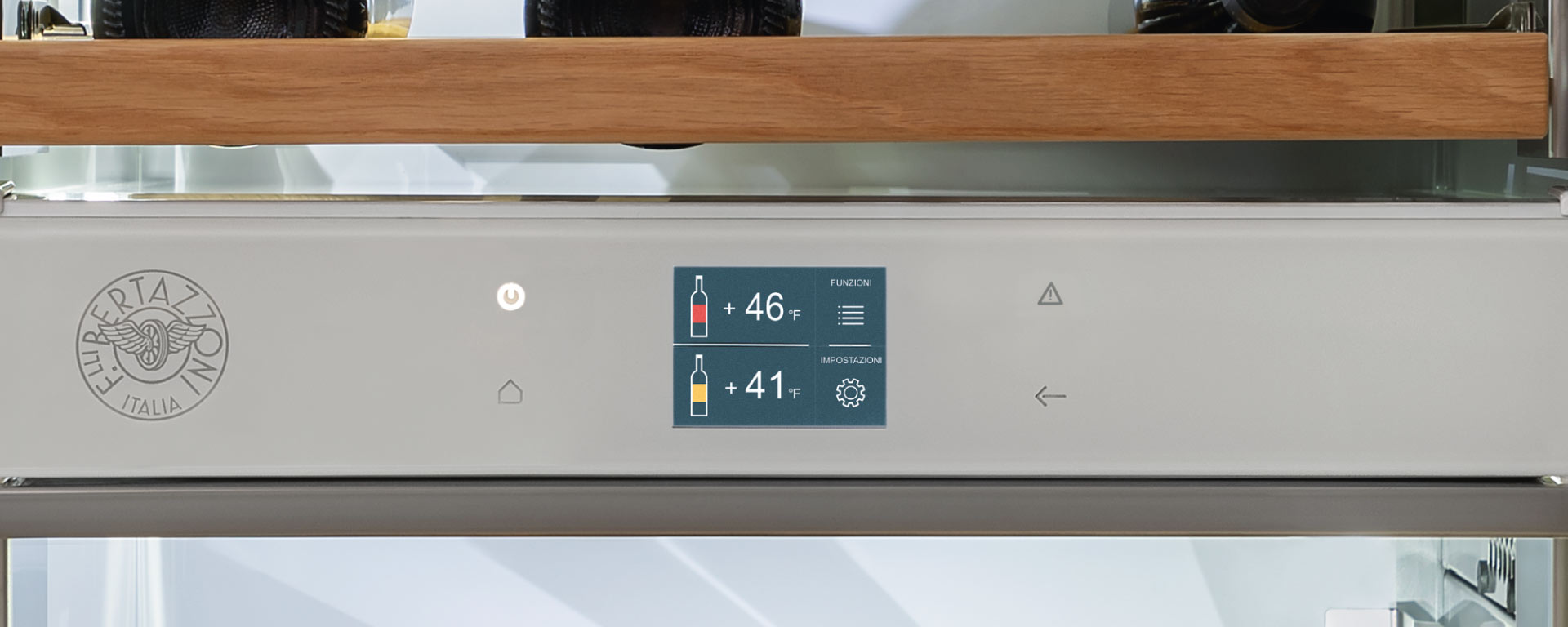
Image Credit: Bertazzoni
Ideal Wine Storage Temperature Range
Recommended Conditions
- The Gold Standard (55°F to 59°F / 12°C–15°C): This widely accepted range is considered the optimal environment for both red and white wines. Storing wine within these temperatures allows the complex chemical processes of aging to occur slowly and evenly, preserving the wine's intended flavor and complexity.
- Stability Over Perfection: Maintaining a consistent temperature is more critical than hitting a specific degree. Frequent or sudden fluctuations are highly damaging because they cause the liquid and air inside the bottle to expand and contract. This "pump effect" can compromise the cork's seal, allowing oxygen to enter and leading to rapid oxidation. For long-term aging, a stable cellar at 58°F is superior to one that swings between 50°F and 68°F. Ideally, daily temperature swings should not exceed 3°F (1.5°C).
-
Humidity and Darkness:
- Humidity: The optimal relative humidity is 60%, though a range of 50%–70% is generally recommended. Humidity below 50% causes corks to dry out and shrink, risking oxidation, while sustained humidity above 75%–80% encourages mold growth on corks and labels.
- Darkness: Wine should be stored in total darkness whenever possible. UV radiation, particularly from direct sunlight or fluorescent lighting, can degrade wine faster than ambient temperature fluctuations.
Recommended Temperatures by Wine Type
While the general 55°F–59°F range works for most collections, specific styles benefit from slightly different conditions:
- Rosé Wine (45°F–55°F / 7°C–13°C): Rosé wines share many storage characteristics with white wines and benefit from similarly cool conditions to maintain their fresh fruit character, lively acidity, and signature color. Popular styles like Provence rosé and dry rosé blends require consistent, cool storage to ensure they stay vibrant and do not fade quickly in flavor or appearance.
- Sparkling Wine (39°F–50°F / 4°C–10°C): Sparkling wines and Champagne are particularly sensitive to heat and benefit from the coolest storage conditions. The ideal range for long-term cellaring is often cited as 39°F–45°F (4°C–7°C) to preserve carbonation and freshness. Keep in mind that high temperatures can increase internal bottle pressure, potentially causing sparkling wine bottles to burst.
- Red Wine (55°F–65°F / 13°C–18°C): Red wines often prefer the higher end of the standard range, specifically 57°F–59°F (14°C–15°C). Full-bodied reds like Cabernet Sauvignon and Syrah are more forgiving and perform well toward the warmer end of the 55°F–65°F spectrum.
- White Wine (45°F–55°F / 7°C–13°C): White wines thrive in cooler environments that preserve their bright acidity and delicate aromatics. Crisp styles like Sauvignon Blanc and Pinot Grigio benefit from temperatures as low as 45°F–50°F (7°C–10°C), while richer whites like Chardonnay can be stored toward the warmer end of this range.

Image Credit: U-Line
Effects of Elevated Temperatures on Wine
Effects of Elevated Temperatures (Above 70°F / 21°C)
Excessive heat is considered the greatest storage hazard for wine.
- Accelerated Aging: Chemical reactions happen much faster at higher temperatures; aging reactions can occur two to four times faster at room temperature compared to cellar conditions.
- Loss of Desirable Aromas: High heat breaks down fresh fruit esters and floral monoterpenes. This causes the wine to lose its "fresh" vibrancy and vibrancy, making it taste "tired" or "flat".
- Premature browning and Oxidation: Heat accelerates the loss of sulfur dioxide (SO2), the wine's primary preservative. This leads to abiotic oxidation, resulting in browning (especially in white wines) and the development of "oxidized" notes like bruised apple or baked potato.
- Physical Integrity Issues: As liquid warms, it expands, increasing headspace pressure. This can cause leakage, seepage past the closure, or even push the cork out entirely. In sparkling wines, extreme heat can cause bottles to burst due to rising internal pressure.
- Formation of Harmful Compounds: Temperatures above 86°F (30°C) accelerate the formation of ethyl carbamate, a probable human carcinogen.

Image Credit: ZLINE
Effects of Low Temperatures on Wine
Effects of Low Temperatures (Below 45°F / 7°C)
While less immediately destructive than heat, excessive cold also impacts wine stability.
- Muted Development: Temperatures below 45°F slow the aging process to the point that the wine may never develop its full aromatic and flavor potential.
- Precipitation of "Wine Diamonds": At 32°F (0°C) and below, tartaric acid can solidify into potassium bitartrate crystals. These crystals, which look like broken glass, are harmless but chemically irreversible and unsettling to consumers.
- Turbidity: Cold temperatures can cause normally soluble pigmented matter and colloids to precipitate, making the wine appear opaque or "veiled".
- Freezing and Breakage: At temperatures below 23°F (-5°C), wine (at 14% alcohol or less) will begin to freeze. The resulting expansion pushes corks out and will eventually cause the glass bottle to break.
Why Temperature Fluctuations Are Especially Dangerous
Frequent or sudden swings in temperature are often more damaging than a steady, slightly imperfect average.
- The "Pump Effect": Repeated expansion and contraction cycles cause the cork to shift slightly, compromising its seal. This allows air to be drawn into the bottle as it cools, leading to rapid oxidation and spoilage.
- Condensation and Mold: Moving bottles from very cold storage to a warmer environment causes water to condense on the exterior. This moisture can lead to mold growth on the cork and labels, damaging the packaging and potentially contaminating the wine upon opening.
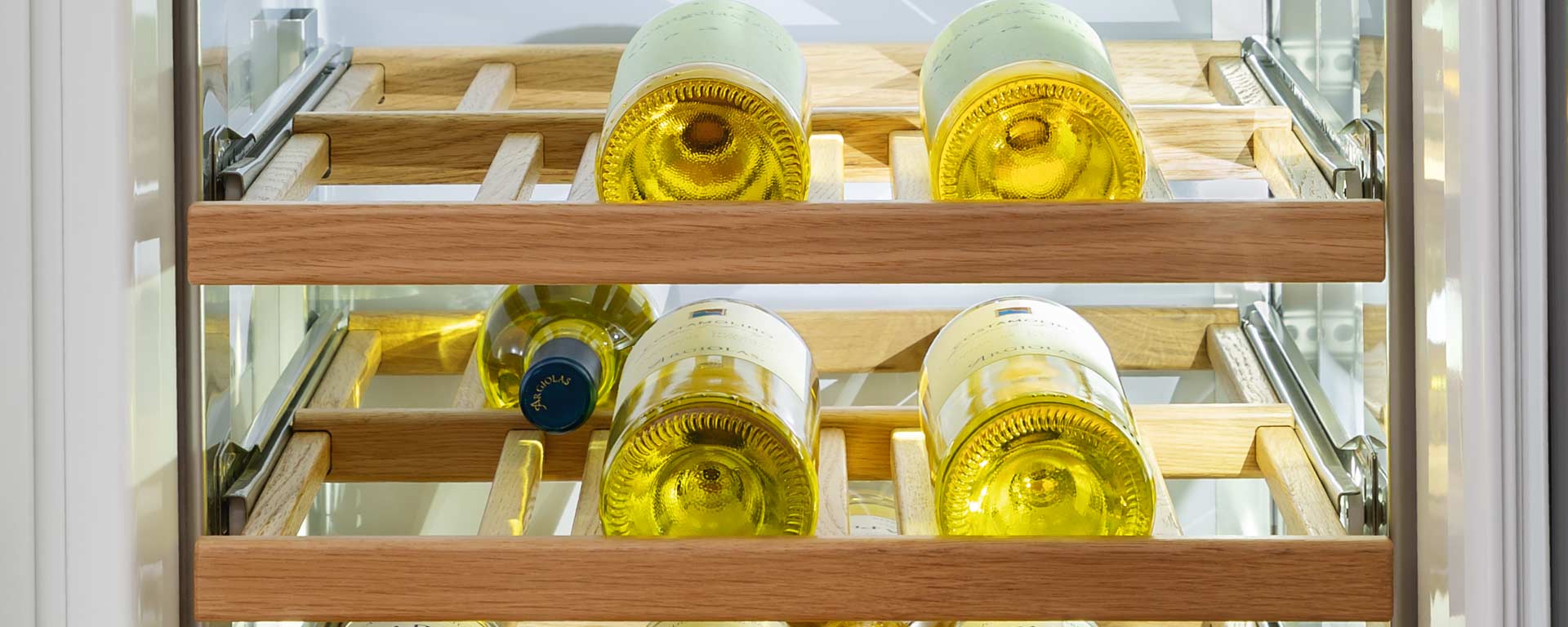
Image Credit: Bertazzoni
Signs Your Wine Has Been Improperly Stored
Common Warning Signs
Leaking corks
Raised corks
Browned wine color
Flat or cooked aromas
Cloudiness or sediment issues
Damaged labels from moisture
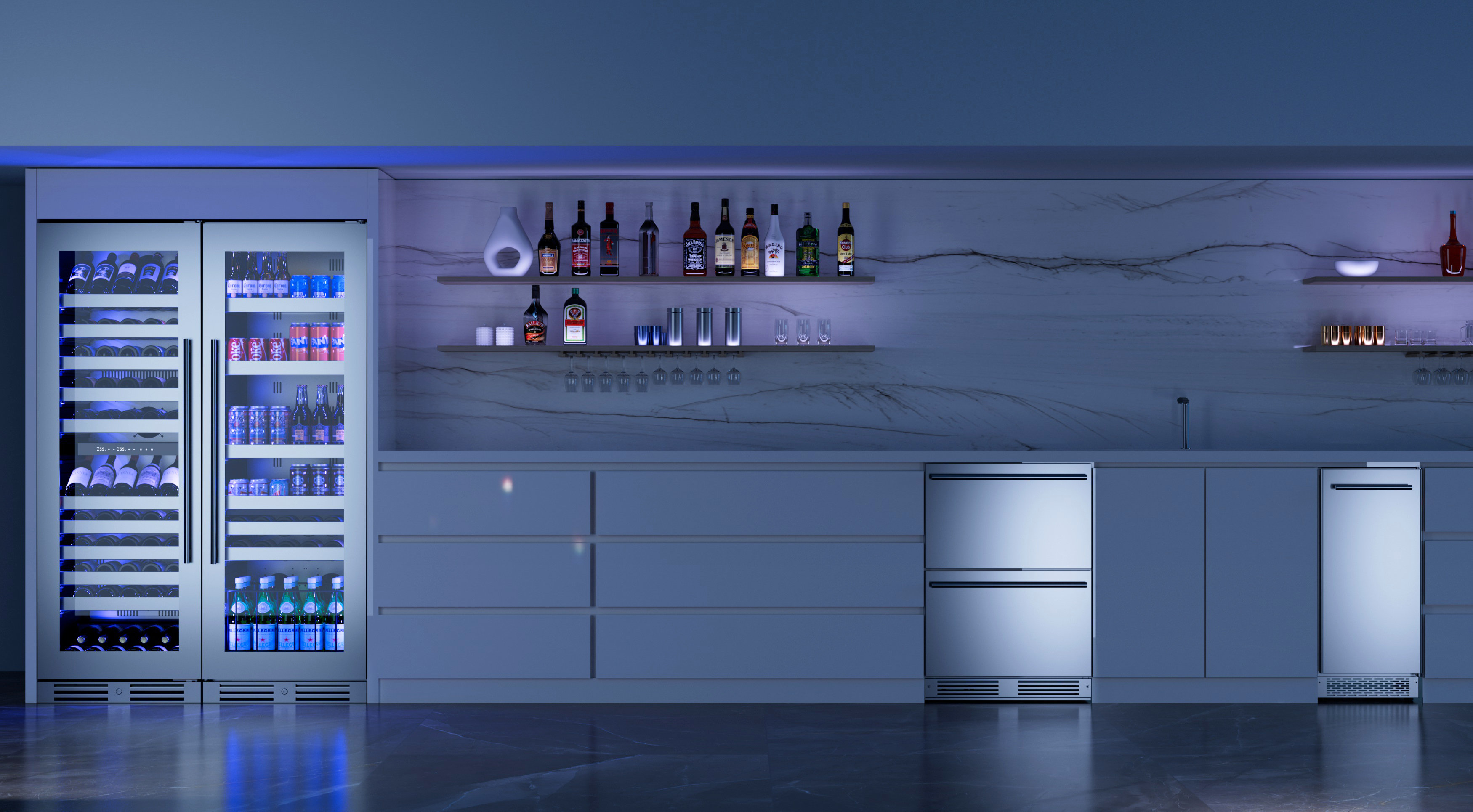
Image Credit: XO Appliances
Best Practices for Proper Wine Storage
Maintaining optimal storage conditions is essential to preserving a wine's character and ensuring it ages as intended. Adhering to these best practices protects your collection from chemical degradation and physical damage.
Maintain Stable Temperatures
Temperature stability is more critical than hitting a specific degree; frequent fluctuations are highly damaging.
- Avoid Problematic Areas: Do not store wine in garages, kitchens, attics, laundry rooms, or boiler rooms. These spaces often experience extreme temperature swings and high heat, which can "cook" the wine and flatten its aromas. Even a standard bedroom closet is discouraged, as wines stored at room temperature can age up to four times faster than those in a cellar.
- Use a Wine Refrigerator or Cellar: For long-term aging, a dedicated wine refrigerator or climate-controlled cellar is recommended. If you lack a professional setup, a cool, dark, and consistent space is an acceptable short-term alternative.
Keep Bottles Away from Heat and Light Sources
Environmental stressors can trigger irreversible chemical reactions that ruin a wine's quality.
- Sunlight (UV Radiation): Wine should be stored in total darkness. UV radiation from direct sunlight or fluorescent lighting can degrade wine faster than ambient temperature fluctuations, leading to "light-struck" faults.
- Appliances and Radiators: Keep wine racks away from heat-generating appliances and radiators to prevent accelerated oxidation and the breakdown of fresh fruit esters.
Store Bottles Horizontally
The orientation of the bottle is vital for wines sealed with natural cork.
- Keeps Corks Moist: Bottles should be stored horizontally or sideways to ensure the wine remains in contact with the cork.
- Prevents Air Infiltration: A moist cork remains expanded, maintaining an airtight seal. If a bottle is stored upright, the cork can dry out and shrink, allowing oxygen to enter and cause premature oxidation. Note that this practice is primarily for corks; screw caps provide a mechanical seal that is unaffected by bottle position.
Avoid Frequent Movement and Vibration
A still environment is necessary for the delicate chemical evolution of wine.
- Reduces Vibration: Excessive movement and vibration can disturb sediment and disrupt the natural aging process.
- Minimizes Disturbance: Research shows that continued vibration can lead to a decrease in organic acids and tannins, altering the wine's organoleptic properties and potentially accelerating browning. Store your collection away from high-traffic areas or loud, vibrating machinery.
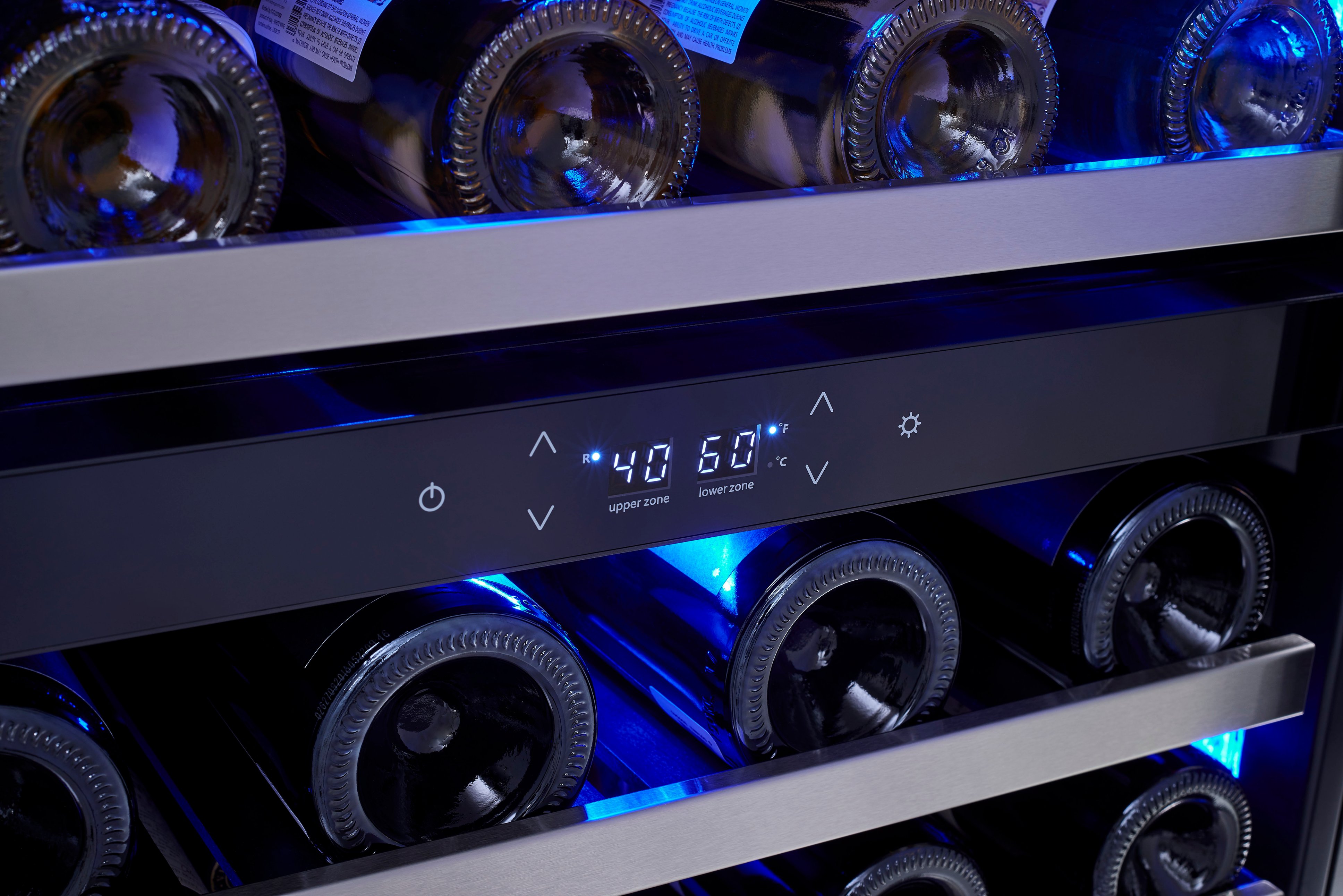
Image Credit: Zephyr
Wine Storage Solutions
For those who do not have access to a natural passive cellar, several active wine storage appliances and systems are available to maintain the stability of a collection. These range from small countertop units to professional-grade climate control systems.
Wine Coolers (Wine Refrigerators)
Wine coolers are the most common solution for home storage. They are categorized by their installation type and cooling technology.
- Installation Styles: Units are available as freestanding, built-in, or countertop models. Built-in units are designed to be flush with cabinetry, while counter-depth models match standard kitchen dimensions.
-
Cooling Technology:
- Compressor Units: These use a condenser and fan, making them slightly louder but more effective for long-term aging due to their ability to maintain stable temperatures.
- Thermoelectric Units: These are "whisper quiet" and good for short-term storage, but they often fluctuate too much for long-term aging.
-
Temperature Zones:
- Single Zone: Maintains one consistent temperature throughout.
- Dual and Triple Zone: Feature separate compartments with independent controls, allowing red, white, and sparkling wines to be kept at their respective ideal serving or storage temperatures simultaneously.
- Specialized Features: Many modern coolers include UV-protected glass doors to block harmful radiation, vibration-dampening systems to protect sediment, and digital touch panels for precise climate management.
Specialized Wine Columns and Cabinets
Wine Columns: These are tall, high-capacity units (often storing 119 to 155+ bottles) that provide professional-grade preservation in a vertical format.


Wine and Bottom Freezer: This configuration features a dedicated wine storage section (typically on top) with a traditional freezer compartment or drawer located at the bottom. Some of these integrated units include a convertible freezer/refrigerator feature, allowing the bottom section to switch functions depending on your storage needs.


Wine and Bottom Refrigerator / Wine with Bottom Refrigerator: These styles integrate a wine preservation section with a standard refrigerator compartment situated below it.


Beverage and Wine Combo: These appliances are designed to store both wine and other beverages (like soda, beer, or water) simultaneously. They often utilize specialized shelving and different temperature zones to accommodate the diverse storage requirements of various drink types.


Outdoor Wine Coolers: These models are specifically approved for outdoor use and are typically constructed with 304-grade stainless steel to withstand environmental exposure.


Beverage Centers with Wine Storage for Casual Entertaining
Not every wine enthusiast needs a dedicated wine cellar or large capacity wine refrigerator. For casual drinkers and households that enjoy a mix of wine, sparkling water, beer, soda, and other beverages, a beverage center with wine storage offers a flexible and space efficient solution.
Unlike standard beverage refrigerators that maintain a single temperature throughout, many modern beverage and wine combo units feature dual-zone cooling. This allows wine to be stored at a proper preservation temperature while keeping other beverages colder and ready to serve. Since wine is ideally stored between 55°F and 59°F while sodas and beers are typically served much colder, dual-zone systems help accommodate both needs without compromising quality.
For example, brands like Elica offer stylish dual-zone beverage centers designed for modern kitchens and entertaining spaces. These units allow users to dedicate one compartment specifically for wine storage while using the second zone for canned drinks, bottled beverages, or sparkling water. This makes them an ideal option for homeowners who want the convenience of versatile beverage storage without investing in a full wine cellar setup.


Wine Cellar Cooling Systems
For those building a custom walk-in cellar, specialized cooling systems are used to transform a room into a climate-controlled environment.
- Through-the-Wall Systems: These are straightforward to install and do not require major construction.
- Ducted and Split Systems: These systems offer more flexibility; ducted systems can be hidden from view, while split systems separate the noisy condenser from the quiet evaporator located inside the cellar.
- Humidifiers: Dedicated wine cellar humidifiers are used to maintain the optimal 60% relative humidity needed to keep corks from drying out and shrinking.
Transport and Commercial Solutions
- Reefers (Refrigerated Containers): These are used for overseas and land transport of large quantities of wine, allowing for strict temperature and humidity control during the supply chain.
- Refrigerated Warehouses: Commercial storage facilities where bulk and bottled wines are kept under constant, logged temperature conditions to ensure provenance.
Note: While standard household refrigerators are common, they are generally not recommended for long-term wine storage because they are too cold (typically below 40°F) and have very low humidity, which can mute flavor development and dry out corks.
Conclusion
Proper wine storage temperature is the foundation of preserving a wine’s flavor, aroma, structure, and aging potential. Even the finest wines can quickly lose their intended character when exposed to excessive heat, freezing conditions, or constant temperature fluctuations.
Maintaining stable, cool storage conditions helps protect the delicate chemical balance inside every bottle, allowing wines to mature gracefully and retain their complexity over time. Whether you are storing everyday favorites or building a long term collection, investing in proper wine storage is one of the best ways to protect both the quality and value of your wine.
If you are looking for reliable wine storage solutions, explore premium wine refrigerators and beverage centers at ShopAppliances.com. From compact undercounter units to large capacity wine coolers, ShopAppliances.com offers trusted brands, expert support, competitive pricing, and convenient delivery to help you store your collection with confidence.

Image Credit: Perlick
FAQs
What is the best temperature to store wine?
The "gold standard" for storing all wine is 55°F to 59°F (12°C–15°C). While reds prefer the higher end of this range (57°F–59°F) and whites or sparkling wines benefit from the cooler end, temperature stability is more critical than hitting a specific degree.
Can wine go bad if it gets too warm?
Wine can absolutely go bad if it gets too warm. Temperatures above 70°F (21°C) accelerate chemical aging reactions by two to four times, causing the wine to lose its fresh fruit aromas, brown prematurely, and develop "cooked" notes like bruised apple or baked potato. Temperatures above 86°F (30°C) are hazardous and can lead to the formation of harmful compounds like ethyl carbamate.
Is it okay to store wine in a kitchen?
It is not recommended to store wine in a kitchen. Kitchens are prone to significant heat fluctuations from appliances, sunlight, and vibrations, all of which degrade wine quality faster than a stable, cool environment.
What happens if wine freezes?
At 32°F (0°C), harmless but irreversible "wine diamonds" (tartaric acid crystals) can form. If the temperature drops below 23°F (-5°C), the liquid will freeze and expand, creating enough internal pressure to push out the cork or shatter the glass bottle.
Are wine coolers worth it?
Yes, dedicated wine refrigerators are considered excellent investments for preservation. Unlike standard household refrigerators, which are too cold and dry (causing corks to shrink). Wine coolers maintain optimal humidity (60%), block UV light, and use vibration-dampening systems to protect the aging process.
How long can wine last at room temperature?
At room temperature (around 72°F), wine ages roughly four times faster than in a cellar. This environment is tolerable for bottles you plan to open within a few weeks, but storage longer than a few months at this temperature will likely flatten the wine's character.
Read More
Induction vs Gas for Luxury Kitchens: Which Premium Cooktop Is Right for You?
Why You Must Confirm Appliance Model Numbers Before Cabinetry Begins
How to Measure for Built-In Coffee, Steam, and Speed Ovens
How to Prepare Appliances for Sabbath and Holiday Use
Bosch vs Miele Dishwashers: Which Brand Is Right for Your Kitchen?