
Why You Must Confirm Appliance Model Numbers Before Cabinetry Begins

One of the most common and costly mistakes in kitchen renovations is finalizing cabinetry before selecting appliances. While it may seem easier to “fit appliances in later,” this approach often leads to misaligned layouts, improper clearances, and unexpected installation challenges.
The risks go beyond aesthetics. Choosing appliances after cabinets are built can result in delays, additional expenses, and poor fitment, sometimes requiring cabinet modifications, appliance exchanges, or even full redesigns. What starts as a small oversight can quickly escalate into a major disruption to both timeline and budget.
This guide breaks down why confirming appliance model numbers early is essential, and how homeowners and builders can avoid these common pitfalls through proper planning and coordination.
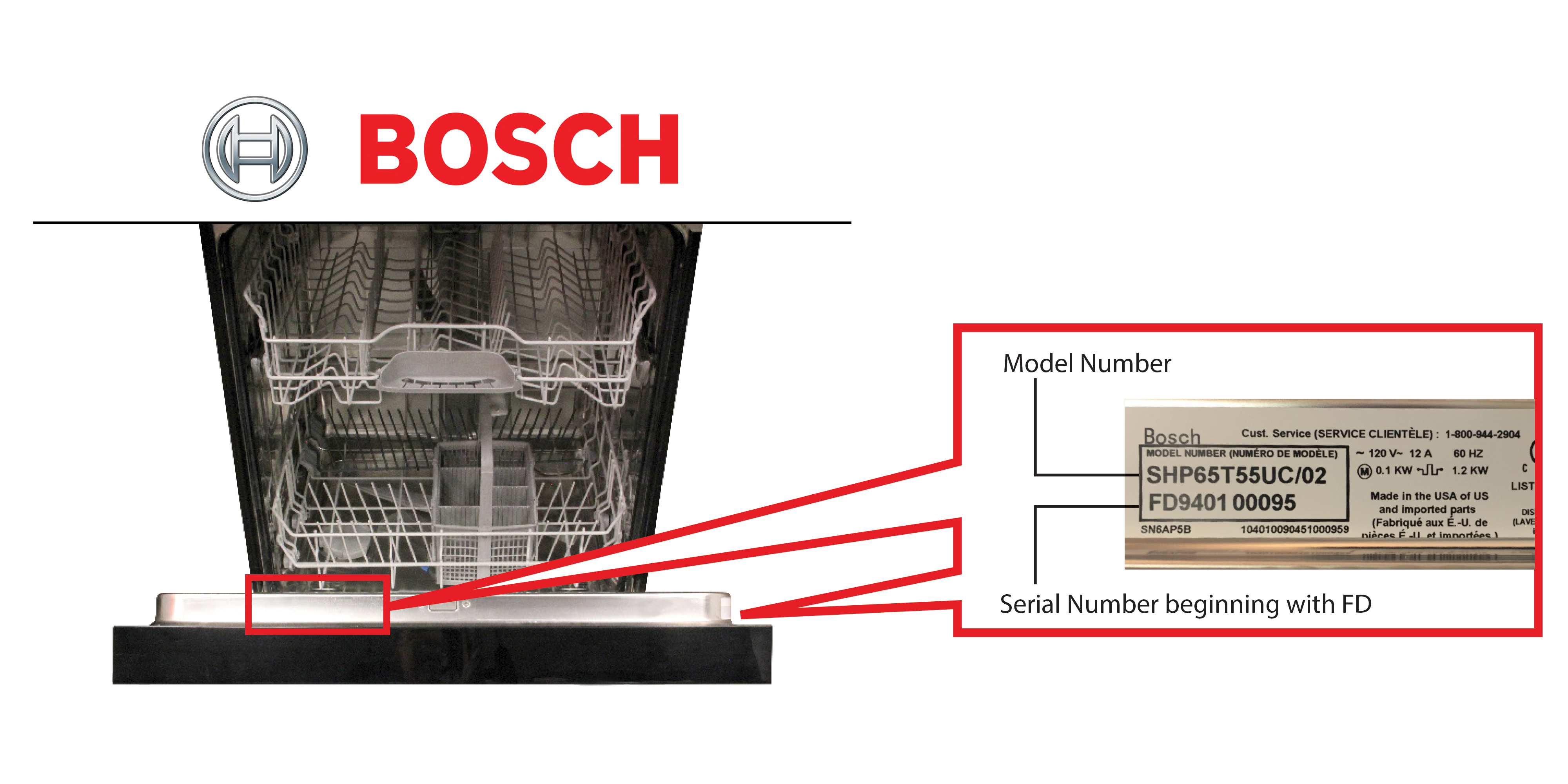
Image Credit: Bosch
Section 1: The Myth of “Standard Sizes”
Not All Appliances Are Truly Standard
A common pitfall in kitchen remodeling is the assumption that appliances follow strict, uniform "standard" sizes. In reality, dimensions frequently vary more than expected, even among newer models marketed with the same general measurements.
- Dimensional Variances: A refrigerator labeled as 36 inches wide can actually vary by over half an inch. While this may seem minor, cabinets are manufactured to exact dimensions and cannot be adjusted on-site; a half-inch error can prevent an appliance from fitting entirely and may necessitate reordering an entire cabinet run.
- Access to Specific Installation Manuals: Professional cabinet makers use model numbers to locate the specific installation manual for that exact unit. These manuals provide the precise rough-in locations for plumbing and electrical lines and define the required swing radius for doors and drawers so they do not collide with adjacent cabinets.
Because online layout tools often rely on user-provided "standard" data, they frequently fail to catch these real-world deviations. Consequently, confirming exact manufacturer specifications before cabinetry production is the only way to ensure a seamless fit.
Section 2: Exact Fit Starts With Exact Models
Ensuring Precise Physical Fit
Ensuring a precise physical fit for appliances within cabinetry requires moving beyond "standard" measurements and focusing on the exact width, height, and depth specified by the manufacturer. Because custom cabinets are built to exact dimensions and cannot be adjusted on-site, even a half-inch discrepancy can prevent installation or require a costly reorder of the entire cabinet run.
The Criticality of Width
While many homeowners assume appliances follow uniform sizes, width measurements often vary from their marketing labels.
- The "36-Inch" Myth: A refrigerator marketed as 36 inches wide can actually vary by over half an inch in reality.
- Opening Tolerances: Precision is required to ensure the appliance fits into the cabinet opening with the correct clearances for side-wall ventilation and structural integrity.
Height and Vertical Alignment
Height measurements impact the structural framework above and below the appliance.
- Trim and Molding Details: Tall refrigerators directly affect the height of cabinets placed above them and the specific trim details required for a finished look.
- Mounting Precision: Appliances like over-the-range microwaves require exact mounting heights to function safely and align with adjacent wall cabinets.
- Site Irregularities: Professionals must account for ceiling dips or uneven floors, as a half-inch variation in the room's height can make a perfectly built cabinet fail to fit the space.
Depth and Functional Clearance
Depth is often the most overlooked dimension, especially with refrigeration, where it directly impacts installation, usability, and overall kitchen flow. Even so-called counter-depth refrigerators vary significantly and rarely sit perfectly flush without careful planning.
- Infrastructure Requirements: Refrigerators often require additional rear clearance for water lines, power connections, and proper airflow. Even counter-depth models typically extend beyond their listed depth once these connections are accounted for.
- Door and Drawer Interference: Refrigerator doors, especially French door and built-in styles, require extra space for full opening. If depth is miscalculated, doors may hit adjacent cabinetry or walls, preventing interior drawers from sliding out completely. Handles can also add several inches, pushing the unit further into the walkway.
- Countertop and Cabinet Alignment: While counter-depth refrigerators are designed to reduce protrusion, many still sit slightly proud of the cabinet line. Achieving a truly flush look usually requires built-in or panel-ready models, along with precise cabinet and countertop planning to maintain clean alignment.
Requirements for Flush and Inset Fits
For high-end, "tailor-made" designs, standard dimensions are often insufficient.
- Larger Opening Requirements: Flush-inset installations, where the appliance sits seamlessly within the cabinetry, usually require larger-than-standard openings to accommodate the full front profile of the unit.
- Linear Alignment: Precise depth and height data allow designers to create a cohesive, linear look where the appliance aligns perfectly with the cabinet faces and countertops.
- Example scenario: half-inch mismatch ruining cabinet alignment
Section 3: Infrastructure Must Match the Appliance
Aligning Utilities Before It’s Too Late
Modern kitchens require precise coordination between cabinetry and home infrastructure such as electrical wiring, plumbing, and ventilation. Because these utilities are part of the renovation's "critical path," rough-ins must be completed and pass inspections before drywall is closed and cabinetry installation begins.
The Gas vs. Induction Pitfall
A frequent and costly error occurs when builders prep a location for a gas range while the homeowner has selected an induction or electric model.
- Voltage Discrepancies: A standard 120V outlet is often sufficient to provide supplemental power for a gas cooktop, but an induction or electric cooktop requires a dedicated 240V high-amp circuit.
- Late-Stage Costs: Discovering this mismatch late in the process can lead to expensive "monetary surprises" and significant disruption, potentially requiring the removal of drywall, flooring, or cabinets to run the correct lines.
- Material Variables: The cost difference is also notable; for example, 100 feet of heavy-duty 6/3 wire for a high-amp circuit can cost significantly more than the 12/2 wire used for standard outlets. To avoid these issues, some custom builders recommend running both gas and electric lines to cooktop locations to allow for future flexibility.
Electrical and Plumbing Requirements
Beyond the cooktop, every major appliance has specific utility needs that must be captured in the design phase.
- Dedicated Circuits: Modern codes often require a dedicated circuit for each installed appliance, including the dishwasher, microwave drawer, and wall ovens. Some high-end refrigerators may even require two circuits.
- Panel Capacity: Homeowners must verify early if their electrical panel can support the cumulative load of new, high-powered appliances, as an outdated panel may fail inspections or lead to performance issues.
- Plumbing Depth: Sizing for plumbing is also critical; for instance, some dishwashers require additional depth behind them to accommodate water lines and drain connections without protruding from the cabinet run.
- Ventilation and Safety: Manufacturers provide exact specifications for ventilation and airflow to prevent overheating. Failure to meet these requirements for built-in refrigerators or range hoods can cause premature wear, create fire hazards, and void manufacturer warranties.
Finalizing model numbers early ensures that these fixed elements are perfectly positioned to avoid last-minute compromises or layout changes.
Section 4: Functionality Depends on Clearances
Avoiding Door and Drawer Conflicts
- Refrigerator Clearance and Installation Depth: Refrigerator doors often require additional space to open fully, especially near walls or deep cabinetry. Many models must be installed slightly “proud” (extending beyond the cabinet face) to prevent hinge binding and allow interior drawers to function properly.
- Drawer, Door, and Handle Interference: A common design flaw occurs when cabinet drawers hit appliance handles or when doors collide at corners. Dishwashers are particularly vulnerable, as their drop-down doors can interfere with adjacent cabinet hardware, limiting usability.
- Aisle Space and Walkway Functionality: Minimum clearance guidelines can create real-world issues in tight kitchens. While 36 inches may meet basic standards, it often becomes restrictive when doors are open. A more functional range of 42 to 48 inches allows safe movement and prevents walkway blockages when multiple appliances are in use.

Image Credit: CAFE
Section 5: Safety and Ventilation Are Model-Specific
Meeting Ventilation and Safety Requirements
Ensuring proper ventilation is not merely an aesthetic choice; it is a fundamental safety requirement that depends entirely on the specific technical data of your selected appliances. Every appliance generates heat, and without following manufacturer-mandated clearances, you risk system failure, fire hazards, and the voiding of product warranties,.
Preventing Fire Hazards and Overheating
Mechanical components must have adequate room to breathe to maintain indoor air quality and appliance efficiency.
- Range Hoods and Cooktops: Installing a range hood too low can create a direct fire hazard. Manufacturers provide specific height clearances: typically at least 30 inches above gas cooktops and 24–28 inches above electric or induction models.
- Refrigerators: Built-in units are particularly sensitive to airflow. Failing to account for the technical ventilation requirements can lead to overheating and premature wear. Some high-end models even require specific cutouts or gaps in the cabinetry to allow heat to escape from the compressor area,.
Protecting Your Warranty and Investment
Appliance manufacturers are strict regarding installation environments. If an appliance breaks down and an inspector finds that it was "squeezed" into an opening that restricts airflow, the manufacturer may void your warranty,.
- Performance Issues: Poorly ventilated appliances often suffer from performance lags, such as refrigerators that fail to stay cold or ovens that struggle to maintain consistent temperatures.
- Structural Integrity: Improper heat dissipation doesn't just affect the appliance; it can also damage the surrounding custom cabinetry over time due to heat-related warping or finish degradation.
The Role of Precise Specifications
Because these requirements are not "standard" across brands, builders must have the exact model numbers to access the correct installation manuals,.
- Dimensional Accuracy: A measurement guide for a "standard" refrigerator may suggest a 36-inch opening, but the technical spec for your specific model may mandate an additional half-inch of side clearance for ventilation that is not visible from the front,.
- Code Compliance: Professionals use these model-specific specs to ensure the project passes final safety inspections, which verify that the infrastructure matches the equipment being installed,.
Ultimately, finalizing these details before cabinetry production begins transforms a complex renovation into a controlled, safe process that protects both your home and your financial investment.
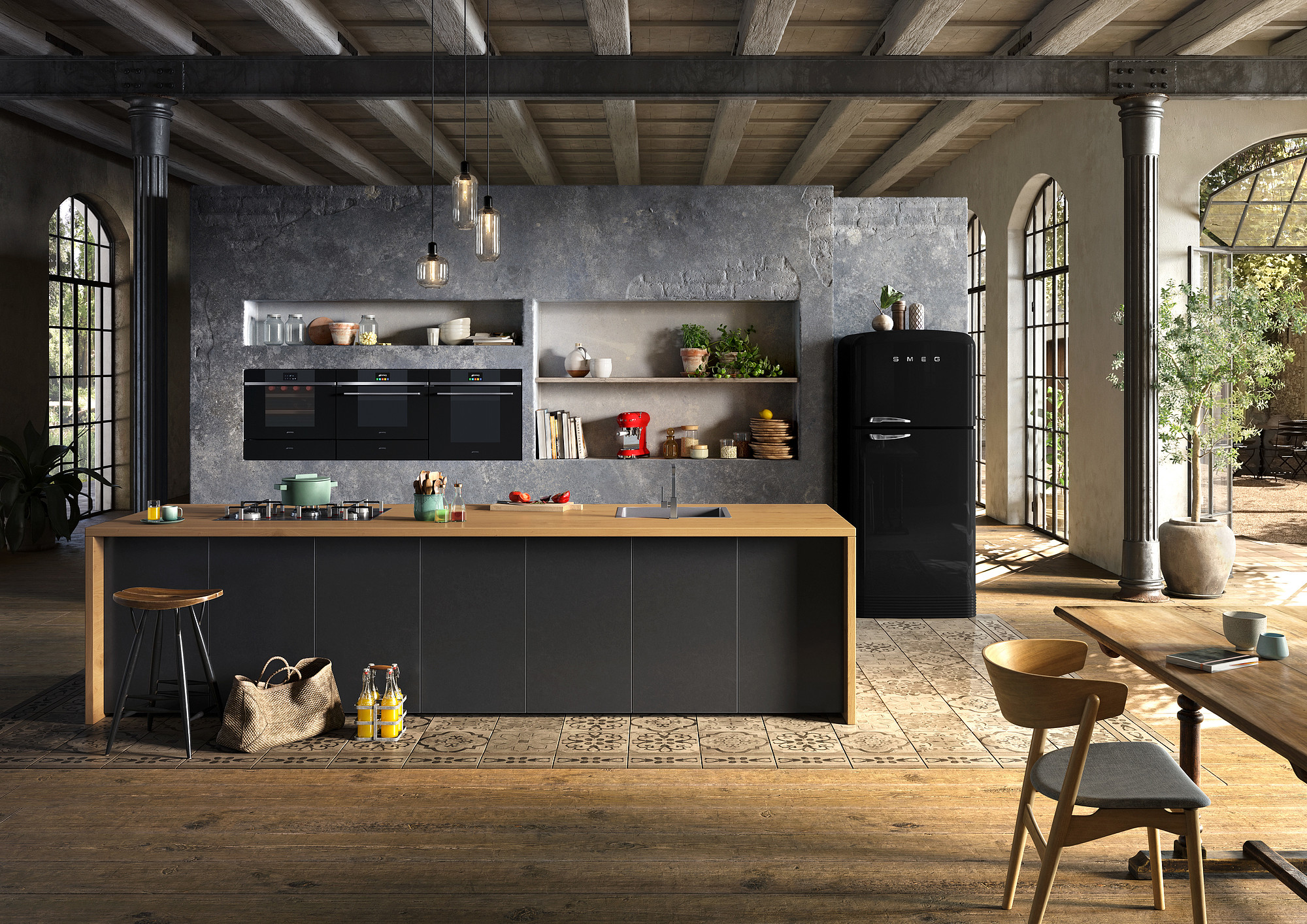
Image Credit: Smeg
Section 6: High-End Designs Require Early Planning
High-end kitchen designs require early planning primarily because they rely on extreme dimensional precision and the integration of complex home infrastructure that cannot be easily modified once construction begins. Achieving a "tailor-made" aesthetic, such as the artistry of flush or inset appliances, demands moving beyond standard layouts long before demolition starts.
Flush and Inset Installations Need Precision
- Custom cabinetry considerations: High-end kitchen designs require cabinetry to be built around exact appliance specifications, not assumptions. Flush and inset installations demand tight tolerances, meaning cabinet dimensions, panel thickness, and reveals must all be planned with precision. Unlike standard layouts, there is little room for adjustment once production begins, making early coordination between appliance specs and cabinet design essential.
- Larger openings and alignment: Flush installations often require larger-than-standard openings to accommodate the full appliance front, door movement, and necessary clearances. Achieving a seamless look depends on perfect alignment with surrounding cabinetry and countertops, which can only be done by following model-specific measurements. Even appliances labeled “counter-depth” may still protrude unless designed for true flush installation, making accurate planning critical.
Why guessing doesn’t work here
In high-precision designs, even minor miscalculations can lead to major issues. A difference of half an inch can prevent proper installation, cause hinge interference, or require costly cabinet modifications. Because these designs rely on strict adherence to manufacturer specifications, guessing dimensions or delaying model selection introduces significant financial risk and project delays.

Image Credit: Viking
Section 7: The Cost of Getting It Wrong
Avoiding Expensive Rework and Delays
Errors in appliance specifications are among the most expensive mistakes in a kitchen remodel because they often trigger a cascade of secondary costs and project-halting delays. Because custom cabinetry is built to exact dimensions and cannot be "adjusted" on-site, even a half-inch miscalculation can prevent an appliance from fitting, potentially requiring the reordering of an entire cabinet run.
The Financial Impact of Dimensional Errors
- Cabinet Rebuilds and Reorders: Replacing a mis-sized cabinet is not just a matter of price; production timelines typically range from 4 to 8 weeks, and a reorder restarts that clock from the beginning.
- Restocking and Exchange Fees: If the cabinetry is correct but the appliance was ordered based on incorrect assumptions, homeowners may face significant restocking fees or the cost of an entirely new unit.
- Timeline resets: Project stalls lead to extended reliance on temporary kitchens, prolonged household disruption, and the stress of "design fatigue" as timelines slip from weeks into months.
Section 8: Protecting Your Project Timeline
Keeping Your Remodel on Schedule
Protecting a kitchen remodel timeline requires a disciplined focus on the project’s “critical path”: a defined sequence of milestones where each step depends on the successful completion of the one before it. For example, plumbing and electrical work must pass inspection before drywall is closed, and cabinets must be permanently secured before countertops can even be templated. When any milestone in this sequence slips due to a technical error or a missing specification, the delay ripples through the entire schedule, often pushing the completion date back by weeks or months.
- Finalize Appliances First: High-end appliances are not flexible pieces; their exact width, height, and depth create the structural framework for the cabinetry. Finalizing model numbers early ensures that cabinets are built to the correct specifications the first time, avoiding the 4-to-8-week production restart that occurs if a cabinet must be reordered due to a half-inch miscalculation.
- Domino Effect of Delays: Late-stage design changes, often driven by "design fatigue," are a major cause of delays. Deciding mid-project to modify appliance placement or upgrade finishes often necessitates reordering materials and resubmitting permits, which can trigger a "financial pause" if the budget was not properly planned.
By transitioning the renovation from a reactive process into a controlled, well-sequenced project, you can minimize daily life disruption and ensure your new kitchen is functional and beautiful on schedule.
Appliance Planning Checklist Before Cabinet Orders
Confirm all appliance model numbers
Download installation specs for each unit
Share specs with cabinet designer
Verify utility requirements (gas, electric, plumbing)
Confirm clearance and ventilation requirements
Double-check dimensions against cabinet drawings
Conclusion
A successful kitchen project depends on more than just layout and aesthetics. It requires precise coordination between appliances, cabinetry, and infrastructure from the very beginning. What may seem like a small decision, such as delaying appliance selection, can quickly lead to misalignment issues, costly rework, and unnecessary project delays.
By confirming appliance model numbers early, homeowners and builders can ensure accurate measurements, proper clearances, and a smoother installation process. This proactive approach not only protects your investment but also helps deliver a kitchen that functions as well as it looks.
Choosing the right appliances early makes all the difference. At ShopAppliances.com, we help homeowners, designers, and builders select the exact models needed to ensure a seamless fit with cabinetry and layout plans.
Explore our selection or speak with an expert today to make sure your kitchen project stays on track, on budget, and built to fit perfectly.
FAQs
Do I need appliance models before ordering cabinets?
Yes. Finalizing appliance model numbers before ordering cabinets is essential to ensure proper fit, clearances, and utility alignment. Cabinet makers rely on manufacturer specifications to build accurate openings, and without them, the risk of costly adjustments increases significantly.
What happens if my appliance doesn’t fit?
If an appliance doesn’t fit, it can lead to cabinet modifications, added filler panels, or even full cabinet rebuilds. In some cases, homeowners may need to exchange the appliance and pay restocking fees. These issues often result in delays and increased project costs.
Are appliance sizes really that different?
Yes. Even appliances labeled under the same category, such as “30-inch ranges” or “counter-depth refrigerators,” can vary by half an inch or more in width, height, and depth. These small differences are enough to impact installation and alignment with cabinetry.
Can cabinet makers adjust later?
Minor adjustments may be possible, but most cabinetry is built to precise specifications and has limited flexibility once manufactured. Significant changes often require rebuilding sections of cabinetry, which can be expensive and time-consuming.
Why buy from ShopAppliances.com?
ShopAppliances.com is an authorized dealer offering genuine products backed by full manufacturer warranties. Customers benefit from competitive pricing, expert guidance on appliance selection and specifications, reliable delivery, and dedicated support throughout the entire buying process. Whether you are a homeowner or builder, our team helps ensure you choose the right models to fit your project perfectly.
Read More
How to Know If Your Kitchen Is Ready for a Gas Range
Why Panel-Ready Appliances Require Earlier Planning Than Stainless
How to Maintain Dishwasher Filters and Spray Arms
How to Prevent Odor, Moisture, and Mold in Refrigeration Systems
The Ultimate Guide to Induction Cooktop Care: Cleaning, Repair, and Longevity