
How to Choose a Pizza Oven: The Complete Buying Guide

There’s something special about pulling a perfectly cooked pizza out of a blazing hot oven, with a crispy, slightly charred crust and gooey, bubbling cheese. It’s no surprise that home pizza ovens have become incredibly popular, making it easier than ever to recreate that authentic pizzeria experience right in your own kitchen or backyard.
But with so many options available, choosing the right pizza oven can quickly feel overwhelming. Should you go for the rich, smoky flavor of wood-fired, the convenience of gas, or the simplicity of an indoor electric model?
This guide breaks it all down in a simple, practical way. Whether you’re a beginner just getting started, a home cook looking to level up, or someone planning to host unforgettable outdoor gatherings, you’ll learn exactly what to look for. From understanding different oven types to figuring out your budget and space, this guide will help you choose a pizza oven that fits your cooking style and lifestyle perfectly.
Types of Pizza Ovens
Wood-Fired Pizza Ovens
- Authentic flavor
- High heat performance
- Requires skill and maintenance

XO XOPIZZA1CA 28" Black Outdoor Pizza Oven | Shop Appliances
Gas Pizza Ovens
- Convenience and control
- Faster startup
- Less smoky flavor

Alfresco AXEPZALP 30" Stainless Steel Outdoor Pizza Oven | Shop Appliances
Electric Pizza Ovens
- Indoor-friendly
- Lower max temperatures

Steel EQYFE6PSS 24" Stainless Steel Pizza Oven | Shop Appliances
Multi-Fuel Pizza Ovens
- Flexibility (wood, gas, charcoal)
- Best for versatility lovers

Gozney GMPBNUS1625 33" White Outdoor Pizza Oven | Shop Appliances
Choosing between wood, gas, electric, or multi-fuel pizza ovens comes down to three main factors: flavor, convenience, and where you plan to cook. Each fuel type offers a different experience, from hands-on traditional cooking to simple plug-and-play ease.
Wood-Fired Pizza Ovens: Traditional and Flavorful
Wood-fired ovens are ideal for those who want an authentic, hands-on cooking experience.
- Flavor: Produces a rich, smoky taste with a signature char that’s hard to replicate.
- Heat Performance: Reaches the highest temperatures, often 900°F to 1,000°F+, perfect for fast, restaurant-quality pizzas.
- Ease of Use: Requires managing fire, airflow, and temperature manually, making it the most skill-intensive option.
- Preheat Time: Longer startup, typically 40 minutes to 2 hours.
- Maintenance: Needs regular cleaning of ash and soot, plus a steady supply of wood.
Gas Pizza Ovens: Convenient and Reliable
Gas ovens are the most balanced option for performance and ease of use.
- Convenience: Simple ignition and temperature control with a dial.
- Heat Performance: Reaches very high temperatures quickly, usually within 15 to 30 minutes.
- Consistency: Provides steady, even heat, making it easier to cook multiple pizzas in a row.
- Cleanup: Minimal maintenance with little to no ash.
- Flavor: Lacks heavy smoke, but still delivers excellent results for most users.
Electric Pizza Ovens: Indoor-Friendly and Easy
Electric ovens are best suited for indoor cooking and compact spaces.
- Placement: Safe for indoor use, requiring only a standard outlet.
- Ease of Use: The simplest option with plug-and-play functionality.
- Heat Distribution: Even top and bottom heating reduces the need to rotate pizzas.
- Temperature Range: Standard ovens reach lower temps, while specialized units can go up to 850°F–900°F.
- Efficiency: Low maintenance and energy-efficient.
Multi-Fuel Pizza Ovens: Flexible and Versatile
Multi-fuel ovens combine the benefits of different fuel types in one unit.
- Flexibility: Can switch between wood, charcoal, or gas depending on preference.
- Flavor + Convenience: Offers the option of smoky flavor or quick, controlled cooking.
- Ease of Use: Moderate, depending on which fuel is used.
- Cost & Size: Typically more expensive and slightly bulkier than single-fuel models.
- Best For: Users who want versatility without committing to one fuel type.
| Feature | Gas Ovens | Wood-Fired Ovens | Electric Ovens | Multi-Fuel Ovens |
|---|---|---|---|---|
| Best For | Most home cooks | Purists / Enthusiasts | Indoors / Apartments | Versatility seekers |
| Heat-up Time | Fast (15–30 mins) | Slow (40+ mins) | Moderate | Moderate to Fast |
| Max Temp | Very High | Highest (1,000°F+) | Moderate / High (850°F) | Very High |
| Ease of Use | Easy | Hardest | Easiest | Moderate |
| Cleanup | Minimal | High (ash / soot) | Minimal | Moderate |
Key Features to Consider
Temperature Range
- Ideal temps for Neapolitan vs frozen pizza
Cooking Surface Size
- How many pizzas at once
- Family vs entertaining needs
Heat-Up Time
- Quick cooking vs slow experience
Portability
- Backyard vs camping vs tailgating
Build Quality and Materials
- Stainless steel vs stone
- Insulation matters
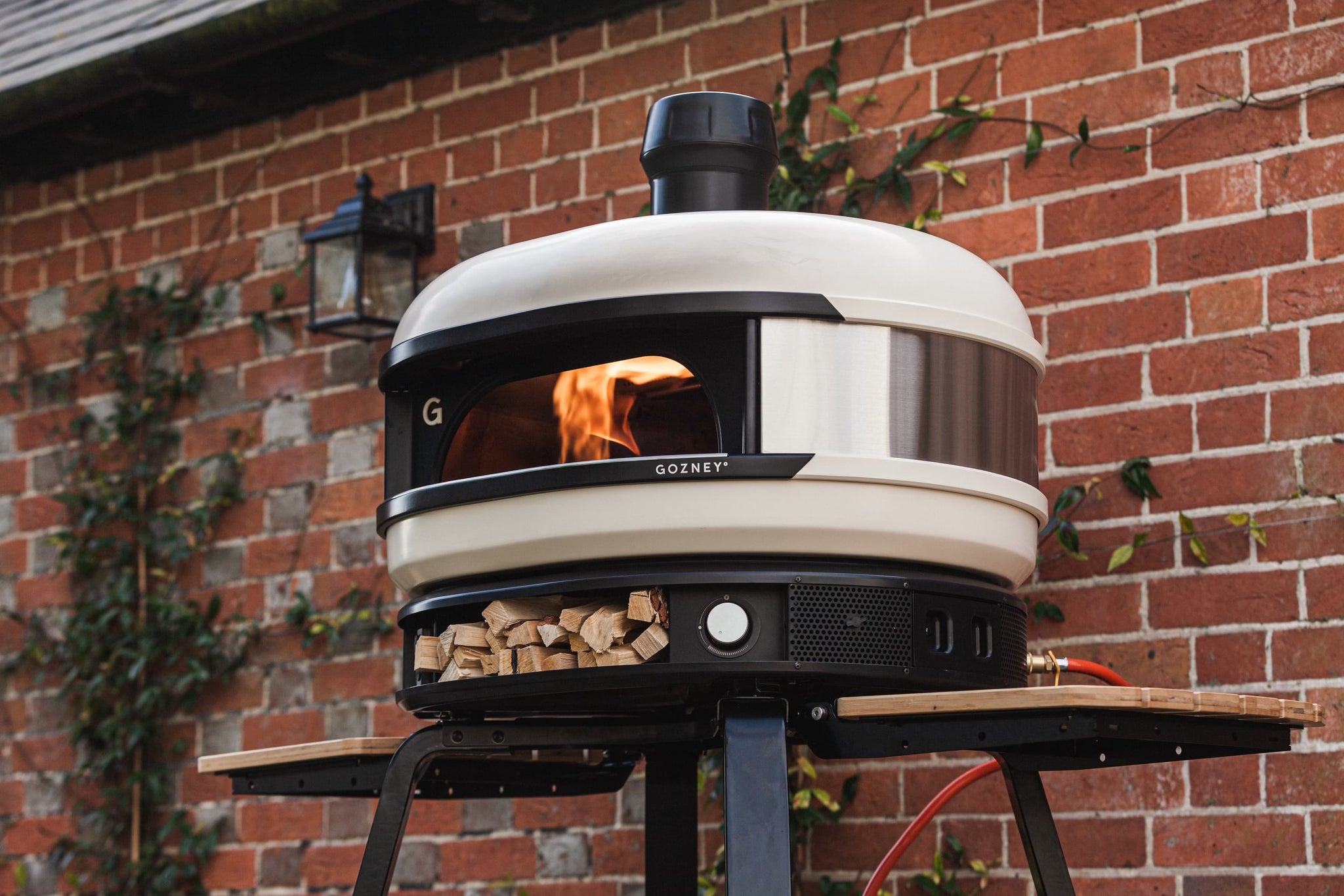 Image Credit: Gozney
Indoor vs Outdoor Pizza Ovens
The decision between an indoor or outdoor pizza oven is often determined by your living situation, local regulations, and the level of "authenticity" you desire in your cooking experience.
Space Considerations
- Indoor Ovens: These are typically electric countertop models designed for kitchens or apartments where outdoor space is limited. While compact compared to outdoor units, they still require significant "counter real estate"; for example, premium models can be roughly 24 inches deep and 20 inches wide. They are often "plug-and-play," meaning they can be stored in a cabinet or pantry when not in use.
- Outdoor Ovens: These offer much greater variety in configuration, including portable units with folding legs, freestanding carts, or permanent built-in installations. Large-capacity outdoor ovens can weigh over 100 pounds, requiring a permanent, stable, and non-flammable surface. Built-in brick or metal ovens are designed to be the permanent heart of an outdoor kitchen and can even add value to a home.
Ventilation and Safety
- Indoor Safety: Only electric pizza ovens are designed for indoor use because they operate without open flames or fuel storage. These models are safer for indoor settings as they plug into standard outlets and some even feature automatic shut-off timers.
- Outdoor Requirements: Outdoor ovens must never be used in a building, garage, or any enclosed area due to the risk of carbon monoxide buildup and toxic fumes, which can lead to suffocation. They require a minimum clearance of 36 inches from combustible construction on the sides and back. If used under structures like a pergola, they must have a chimney that vents properly to ensure exhaust is directed away from the cooking area.
- Wind Concerns: Outdoor users must account for wind; high winds can blow flames outside the enclosure or cause control knobs to become dangerously hot.
Weather Durability
- Protection: Outdoor ovens should be protected with custom-fit weatherproof covers to guard against UV rays, rain, and snow. High-end ovens may use materials like enamel-coated steel that are naturally impervious to water and sun damage.
- Specialty Builds: For outdoor cob (mud) ovens, a dedicated sheltering roof is essential because rain and moisture will cause the material to decay and make preheating nearly impossible.
- Groundwork: Permanent outdoor installations require a solid foundation with a gravel drainage trench to protect the unit from freeze-thaw damage during winter months. While outdoor ovens can be used in cold climates, they may take longer to reach top temperatures during a freeze.
Budget Guide
The cost of a pizza oven is influenced by its fuel source, size, construction materials, and intended location (indoor vs. outdoor). While small portable units can be found for a few hundred dollars, high-end built-in models can exceed $10,000.
Entry-Level (Under $350)
This tier is best for casual bakers or beginners who want to experiment without a large financial commitment.
- Indoor Electric: Affordable countertop ovens in this range can produce crispy New York-style pizzas with minimal effort.
- Outdoor Pellet-Fired: Portable, wood-pellet-fueled ovens offer a smoky flavor at a lower price point and are great for outdoor use.
- Home Oven Accessories: For those with the tightest budgets, a baking steel ($100–$150) or a pizza stone ($30–$80) can be used in a standard kitchen oven to achieve significantly better crust results than a bare rack or pan.
- DIY Cob Ovens: For the ultra-budget enthusiast, building an outdoor cob oven using recycled or natural materials like clay, sand, and straw can be done for as little as $20, though it requires significant manual labor.


Mid-Range ($400–$900)
This "sweet spot" offers a balance of quality performance and modern convenience, typically suited for regular home cooks.
- Dual-Fuel/Multi-Fuel: Models in this range often allow users to switch between the traditional flavor of wood and the convenience of propane gas.
- Versatile Gas Models: Many mid-range ovens feature larger cooking capacities and reliable, easy-to-use gas burners for consistent results.
- Portable Pro-Style: Some options include heavy-duty construction with a more professional feel while still remaining portable.


Premium ($1,000–$10,000+)
Premium ovens prioritize professional-grade materials, extra-large capacities, and high-tech features.
- Professional-Grade Builds: High-end ovens in this category feature excellent heat retention, integrated thermometers, and the ability to reach extremely high temperatures for authentic, fast-cooking pizzas.
- Extra-Large Capacity: Larger models may include multiple cooking zones and expanded surfaces for preparing several pizzas at once, making them ideal for entertaining.
- High-End Indoor Options: Premium electric ovens designed for indoor use can reach very high temperatures without requiring fuel storage or ventilation systems.
- Built-In Installations: Permanent brick or metal ovens integrated into outdoor kitchens generally start at $1,000 and can scale up to over $10,000 for large-scale professional builds.

Best Pizza Oven for Your Needs
Beginners
For those just starting their pizza-making journey, gas-powered ovens are the most recommended option because they offer the best balance of performance and ease of use. These models require no fire management, heat up in as little as 15 to 30 minutes, and feature simple dial controls that make temperature regulation intuitive for a novice. Electric indoor models are also excellent for beginners as they are often "plug-and-play" with virtually no learning curve, producing consistent results from the very first bake.
Families
Families who want fresh pizza on busy weeknights should prioritize speed and convenience, making gas-fired or electric ovens the ideal choice. A medium-sized oven that can fit two standard pies is often the "sweet spot" for a small family, allowing for faster meal service. Because these units get extremely hot, safety is a primary concern for households with children; ovens should be positioned on stable, non-flammable surfaces away from high-traffic play areas.
Entertainers
If you plan to host large gatherings or pizza parties, look for large-capacity ovens with extra-wide mouths and spacious cooking surfaces that can handle multiple pizzas simultaneously. For high-volume cooking, high thermal mass is essential, and this refers to the oven's ability to absorb and retain heat so the stone floor recovers quickly between bakes, ensuring the tenth pizza is as well-cooked as the first. Built-in brick or professional-grade metal ovens serve as impressive backyard centerpieces and are designed for these extended, heavy-use sessions.
Small Spaces
For those living in apartments, condos, or homes with limited outdoor areas, indoor electric pizza ovens are the only practical solution. These compact countertop units plug into standard outlets and do not require fuel storage or complex venting for smoke. Alternatively, compact countertop gas models are the most popular configuration for small outdoor patios, offering a stationary setup that doesn't require the space or commitment of a permanent installation.
Outdoor Enthusiasts
For adventurous users who want to take their oven camping, tailgating, or to the beach, portable configurations are a must. The best models for travel are lightweight—typically between 20 and 45 pounds—and feature folding legs and detachable fuel components for easy transport in a vehicle. Wood-pellet or portable gas ovens are favored by enthusiasts for their ability to reach high Neapolitan-style temperatures quickly while remaining compact enough to carry one-handed.
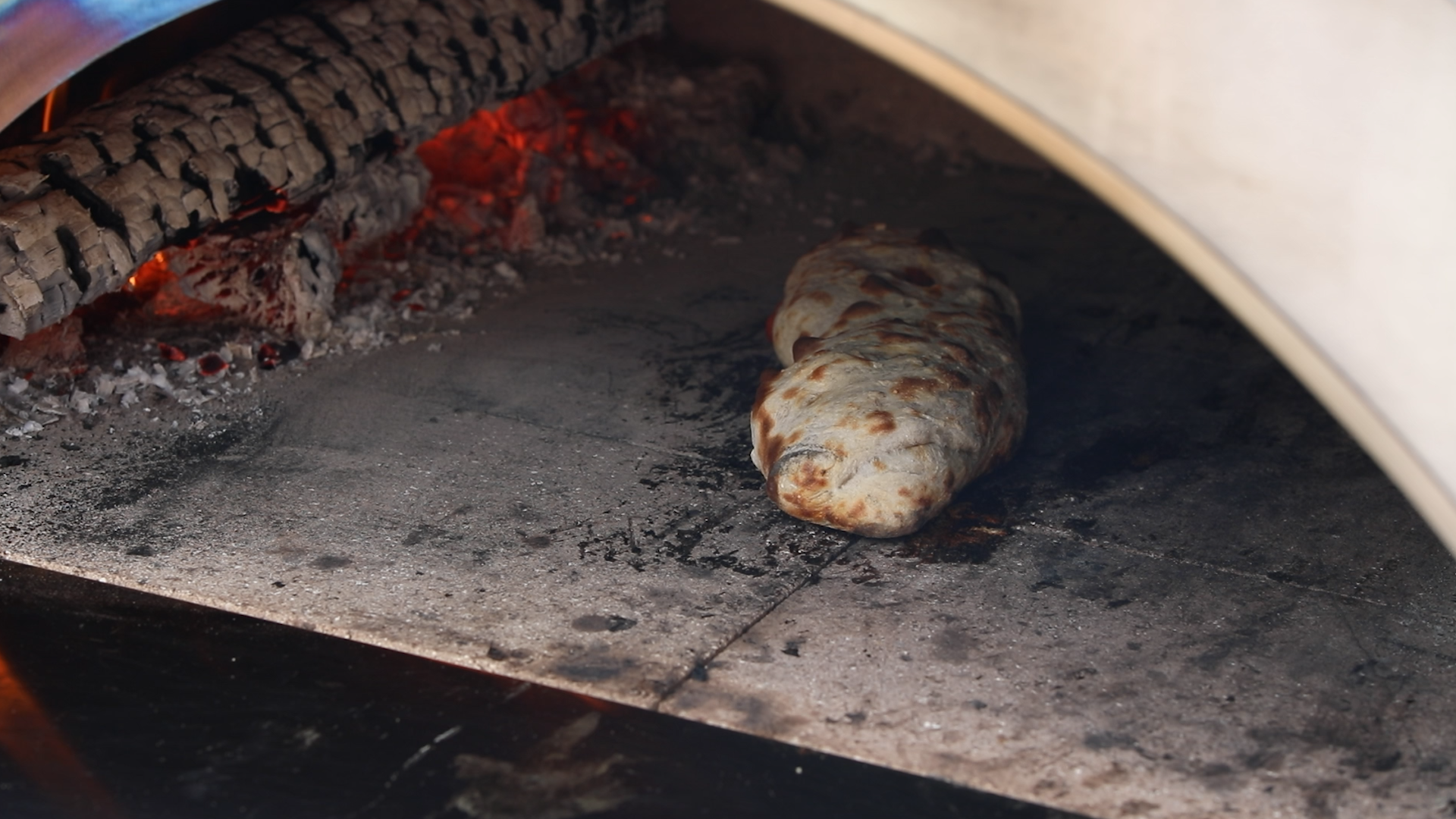 Image Credit: XO
Common Mistakes to Avoid
Choosing wrong size
Ignoring heat capability
Overlooking fuel availability
Not considering storage
Accessories You Might Need
- Pizza peel


- Infrared thermometer

- Cover and stand


- Pizza stones

 Blaze BLZPROPZST2 Grill Accessorie | Shop Appliances
FAQs
What temperature is best for pizza?
For authentic Neapolitan-style pizza, temperatures between 800°F and 900°F are ideal, allowing pizzas to cook in about 60–90 seconds. For New York-style or frozen pizzas, a range of 500°F to 700°F works well.
Is wood-fired better than gas?
Wood-fired ovens offer a distinct smoky flavor and traditional cooking experience, while gas ovens provide greater convenience, faster heat-up times, and easier temperature control. The better option depends on whether you prioritize flavor or ease of use.
Can I use a pizza oven indoors?
Only electric pizza ovens are designed for safe indoor use. Gas and wood-fired ovens should always be used outdoors or in properly ventilated spaces to avoid safety risks.
How long do pizza ovens last?
With proper care and maintenance, most pizza ovens can last anywhere from 5 to 15 years. High-end models and built-in ovens may last even longer due to more durable materials and construction.
Final Thoughts
Choosing the right pizza oven ultimately comes down to how you plan to use it. If you value convenience and quick cooking, a gas or electric model may be the best fit. If you’re drawn to the process and flavor of traditional pizza-making, a wood-fired oven offers an unmatched experience. And if flexibility matters most, a multi-fuel option gives you the best of both worlds.
Instead of focusing only on price, think about your lifestyle, space, and cooking habits. Consider how often you’ll use the oven, whether you need it indoors or outdoors, and how much time you want to spend managing heat and cleanup.
The best pizza oven isn’t necessarily the most expensive one, it’s the one that fits seamlessly into your routine and makes you excited to cook.
Read More
French Top vs Open Burner: Which Range Style Is Right for Your Kitchen?
How to Care for Panel-Ready Refrigeration (A Complete Maintenance and Preservation Guide)
How to Choose an Outdoor Grill Setup: The Complete Guide
How to Choose Outdoor Refrigeration for a Durable, High-Performance Outdoor Kitchen
How to Plan Weather Exposure and Choose the Right Materials for Outdoor Spaces