
Open vs Sealed Burners: Pros, Cons & Best Choice for Home Chefs

When choosing a professional gas range, the distinction between burner types is a critical decision that defines your daily kitchen experience. This choice fundamentally changes how heat interacts with your cookware and how much time you will spend maintaining the appliance. While many buyers focus on aesthetics, the functional differences in air circulation and heat distribution mean your choice will directly impact everything from the intensity of a sear to the stability of a delicate simmer.
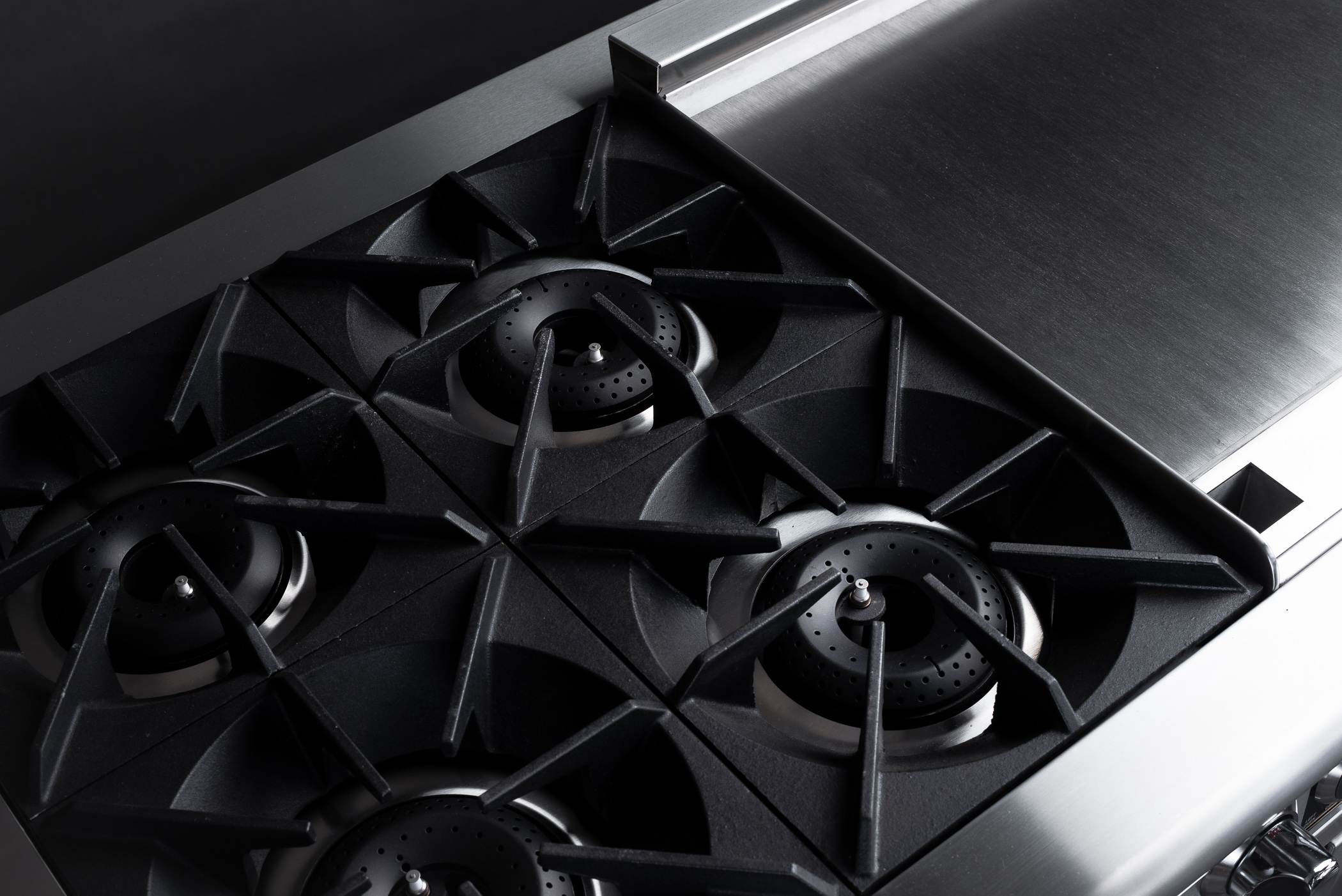
The two primary options—Sealed Burners and Open Burners—cater to vastly different cooking styles and priorities. Open burners are the traditional choice for professional chefs and culinary enthusiasts who require raw power, rapid temperature responsiveness, and direct flame contact for high-heat tasks like wok cooking. Because they are not sealed underneath, they allow more oxygen to reach the flame, resulting in higher temperatures that can reach up to 25,000 BTUs.
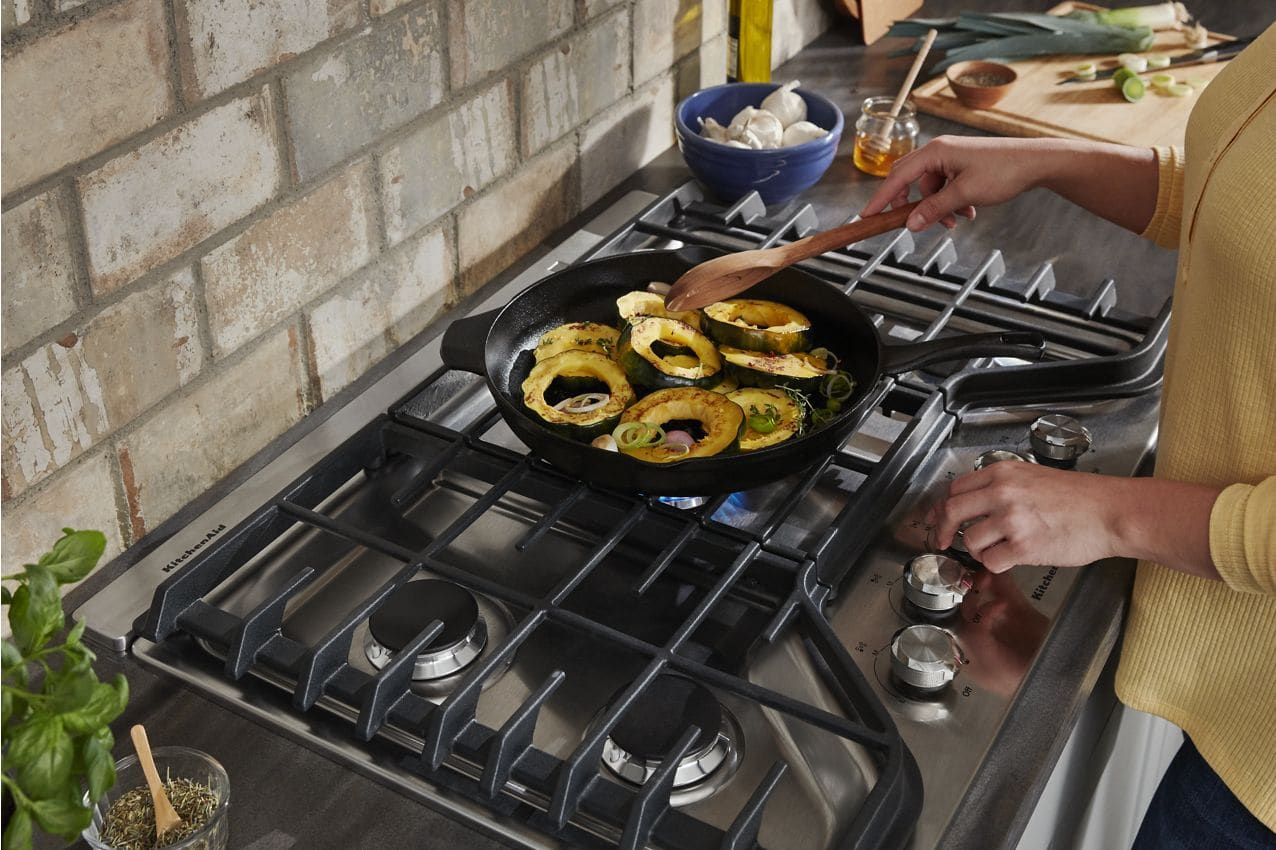
Conversely, sealed burners are engineered for modern residential convenience, featuring a protective cap that hermetically seals the burner to the cooktop base. This design keeps spills on the surface for a quick wipe-down, preventing grease and food debris from falling into the internal "guts" of the range. While they generally offer lower maximum heat output than open units, sealed burners provide the controlled, even distribution and stability needed for multitasking and everyday family meals.
Open vs Sealed Burners — Key Differences at a Glance
| Feature | Open Burner | Sealed Burner |
|---|---|---|
| Heat power | Higher, more direct flame | Slightly lower, more contained |
| Heat control | Very precise, responsive | More even but less “instant” |
| Cooking style | High-heat, pro cooking | Everyday home cooking |
| Cleaning | Harder (spills go inside) | Easy (spills stay on top) |
| Safety | More exposed flame | Safer, enclosed design |
| Maintenance | More frequent deep cleaning | Lower maintenance |
Heat Output and Power
One of the biggest differences between open and sealed burners is raw heat output, which directly impacts how quickly and intensely you can cook.
- Open Burners: These burners are designed for high-heat cooking tasks like searing, stir-frying, and fast boiling. They typically offer a much higher British Thermal Unit (BTU) output than sealed burners. For example, a high-end open burner can reach 25,000 BTUs, whereas many sealed units top out around 15,000 to 18,000 BTUs.
- Sealed Burners: While modern sealed burners can still reach high temperatures, they generally trade raw intensity for more controlled, everyday heat suitable for residential cooking.
Heat Distribution
- Direct Flame (Open): Open burners have an exposed flame that allows for more oxygen to flow through, generating higher heat and more efficient combustion. The flame is in direct contact with the entire bottom of the pan, resulting in very even heat distribution across the cooking surface.
- Cap Redirection (Sealed): Sealed burners use a cap to prevent spills from entering the range's interior. This cap redirects the flames to the outside of the burner head, which can lead to uneven heating, where the edges of a pan become significantly hotter than the center, or vice-versa. However, some sources suggest that for low-heat tasks, the contained flame of a sealed burner provides the stable, even distribution needed for delicate simmering.
Control and Responsiveness
- Precision (Open): Professional chefs prefer open burners for their quick temperature changes and responsiveness. The lack of a barrier between the flame and the pan allows for near-instant heat adjustments.
- Stability (Sealed): Sealed burners are often superior for low and slow cooking and preparing delicate sauces. Some high-end sealed models feature "dual-stacked" designs that use a separate set of ports for a continuous, low-temperature simmer that open burners may struggle to maintain.
Specialized Cooking Performance
- Wok Cooking: Open burners are highly preferred for wok cooking. By removing the burner grate, a wok can rest directly in the flame, maximizing heat transfer. In contrast, sealed burners often require a wok ring that lifts the pan higher above the flame, reducing its effectiveness.
- Thermal Efficiency: In experimental tests of burner head geometries, multi-port and star-shaped designs (common in high-performance open burners) demonstrated higher thermal efficiency (up to 58%) compared to standard circular burners (50%) due to better air-fuel mixing and heat distribution.
Durability and Maintenance
- Open burners are generally built to withstand high-heat performance and "abuse" in commercial settings.
- Sealed burners offer better protection against internal corrosion and clogging because their components are less exposed to food spills.
Pros and Cons of Each Burner Type
Open Burner Pros
- Superior Heat Output: Open burners are often referred to as "powerhouses" because they are not sealed underneath, allowing more oxygen to flow through the flame. This increased oxygenation leads to much higher temperatures than sealed units. While many residential sealed burners top out at 15,000–18,000 BTUs, high-performance open burners can reach 24,000 to 25,000 BTUs.
- Direct Flame and Even Distribution: Because there is no burner cap to redirect the fire, the flame makes direct contact with the entire bottom of the pan. This results in very even heat distribution. In a "flour test," open burners showed even browning across a pan, whereas sealed burners tended to brown the inner ring first because the heat was concentrated where the cap redirected the flames.
- Precision and Rapid Response: Professional chefs prefer open burners for their near-instant responsiveness. The lack of a physical barrier between the flame and the cookware allows for immediate temperature adjustments, which is critical for high-stakes culinary environments.
- Optimized for Wok Cooking: Open burners are the premier choice for woks. By removing the top burner grate, a wok can rest directly in the flame, providing the intense heat needed for "wok hei". In contrast, sealed burners usually require a wok ring that lifts the pan higher, reducing heat efficiency.


Open Burner Cons
- Cleaning Challenges: The primary drawback is that spills and food debris do not stay on the surface; they fall directly into the burner area and can reach the internal "guts" of the range. This often requires taking the burner apart to clean it properly.
- Increased Maintenance: Because food particles can fall into the burner ports, open burners require more frequent maintenance to ensure efficient combustion and prevent clogs.
- Exposed Components: The "openness" of the design means burning components are fully visible and exposed. While this is built for durability and high-heat "abuse," it lacks the sleek, protected look of modern sealed-top residential ranges.
- Simmering Limitations: While they excel at high heat, some open burners may struggle to maintain a stable, low-temperature simmer as effectively as "dual-stacked" sealed burners, which use dedicated ports specifically for low-heat tasks.
Sealed Burner Pros
- Easy to Clean: The burner head is hermetically sealed to the cooktop base, creating a barrier that prevents food spills and liquids from dripping into the internal "guts" of the range. This allows you to simply wipe the surface with a damp cloth after cooking.
- Lower Maintenance: Because debris cannot easily fall into the burner ports or gas tubes, there is a significantly lower risk of internal corrosion or clogging. This reduces the need for the frequent deep cleaning often required for open burners.
- Safer Design: The contained flame, sheltered by a burner cap, reduces the risk of accidental burns and is generally considered a safer option for households with children.
- Superior Simmering: Sealed burners excel at "low and slow" cooking. Some high-end brands use a dual-stacked design, where cooking is done from a top set of ports and then "drops down" to a separate, lower set of ports specifically for maintaining a continuous, ultra-low simmer for delicate sauces.


Sealed Burner Cons
- Lower Maximum Heat: Sealed burners are generally less powerful than open burners. While high-performance open units can reach 25,000 BTUs, most residential sealed burners top out between 15,000 and 18,000 BTUs. This means they may take longer to boil large quantities of water or achieve a professional-grade sear.
- Less Responsive: The physical barrier of the burner cap limits air circulation and slows down rapid temperature changes. Professional chefs often find them less precise for tasks that require immediate heat adjustments.
- Indirect Heat Distribution: The burner cap redirects flames toward the outside edges of the pan, which can leave the center cooler. This is often proven by the "flour test": on a sealed burner, dry flour in a pan will brown in an outer ring first, whereas an open burner browns the entire surface evenly.
Which Burner Type Is Right for You?
Choose Open Burners If You:
- Cook at high heat frequently
- Want restaurant-level performance
- Use wok cooking
Choose Sealed Burners If You:
- Want easy cleanup
- Cook daily meals
- Prefer low maintenance
Final Verdict: Open vs Sealed Burners
Open burners provide superior performance through direct flame exposure and higher BTU output, making them the premier choice for professional-grade power and responsiveness. Conversely, sealed burners prioritize daily convenience with a protected design that contains spills for easy cleanup while offering the stable heat necessary for delicate simmering. Your decision depends entirely on your cooking habits: select open burners if you value the raw intensity needed for searing and wok cooking, or opt for sealed burners for a low-maintenance, multitasking-friendly kitchen environment.
FAQs:
Are open burners better than sealed burners?
Open burners are better for high-heat, performance-focused cooking because they offer stronger flame contact, faster response, and better airflow. Sealed burners are better for everyday cooking, easy cleanup, and lower maintenance.
Do sealed burners heat evenly?
Sealed burners can heat evenly for general cooking and simmering, but their burner caps often redirect flame outward, which may create hotter zones around the pan edges compared with open burners.
Which burner type is easier to clean?
Sealed burners are easier to clean because spills stay on the cooktop surface instead of falling into the burner box. Open burners usually require more detailed cleaning after spills.
Are open burners safe for home use?
Yes, open burners are safe for home use when installed and used properly. They have a more exposed flame and internal burner area, so they require careful use and regular cleaning.
Which is better for wok cooking?
Open burners are better for wok cooking because the flame can reach the wok more directly, delivering the high, concentrated heat needed for stir-frying.
Read More
French Top vs Open Burner: Which Range Style Is Right for Your Kitchen?
Best 2026 Guide: How to Match Refrigeration, Cooking, and Ventilation for Kitchen Design
How to Measure for a Professional Range (Complete Buying and Planning Guide)
How to Choose the Right Range Size (Complete Buying Guide)
Wall Oven vs Range: Pros, Cons, Differences, and How to Choose