
Energy Efficiency Through the Decades: How EPA Standards Changed Appliance Manufacturing

Introduction
Since the 1970s energy crisis, the home appliance industry has shifted from simple utility to a high-tech frontier of advanced energy management. While federal regulations like the National Appliance Energy Conservation Act of 1987 established a mandatory performance "floor," the 1992 introduction of the voluntary ENERGY STAR label allowed manufacturers to market eco-friendly models as premium options. These standards have driven incredible technological gains; since 1980, the energy use of new clothes washers has plummeted by over 70%, and refrigerators have seen a 65% reduction in consumption. Although stricter air quality standards initially led to a 2.6% decline in technical manufacturing productivity, these mandates forced firms to rationalize their operations and adopt "Smart Manufacturing" processes that eliminate long-term waste.
For modern homeowners, federal standards have completely redefined what it means to shop for performance and value. The introduction of "Energy Guide" labels in the 1970s forced a behavioral shift, as consumers began weighing long-term operating costs against initial sticker prices. Today, sustainability is a primary purchasing driver, with roughly 70% of consumers actively looking for "greener" products to practice "conspicuous conservation". We are now entering an era of "Intelligent Efficiency," where appliances use sensors and real-time data to help users proactively manage their household energy consumption and participate in behavior-based saving programs.
The 1970s: The Conservation Awakening
The Energy Crisis That Changed Appliance Manufacturing
The 1973 OPEC oil embargo was a watershed moment that fundamentally reshaped how Americans viewed energy and how manufacturers built home appliances. This crisis caused energy prices to skyrocket by as much as 400%, leading to widespread shortages that forced the federal government to prioritize energy conservation as a matter of national security. This "conservation awakening" shifted the industrial mindset from viewing resources as free and plentiful to recognizing the urgent need for efficiency and better energy management.
Because the buildings sector accounts for approximately 41% of total U.S. energy consumption, reducing household waste quickly became a central focus for both lawmakers and manufacturers. Between 1975 and 1978, Congress responded by passing the first laws establishing mandatory energy efficiency standards for household appliances.

Image Credit: Live Science
The First Federal Appliance Efficiency Standards
Between 1975 and 1978, the U.S. government initiated a transformative shift in the appliance industry by passing the first federal efficiency standards designed to prioritize national energy conservation. This era of government oversight fundamentally changed manufacturing by requiring brands to disclose annual operating costs through the now-standard Energy Guide labels, allowing consumers to prioritize long-term value over initial sticker prices. Facing new federal scrutiny, manufacturers began a total engineering redesign of their product lines to minimize electricity consumption, leading to massive technological leaps in the modern kitchen. Since these early mandates were established, innovation has allowed the energy use of new refrigerators to drop by 65%, while new clothes washers have seen an incredible reduction of more than 70% in energy consumption.
The Introduction of Energy Guide Labels
In the late 1970s, federal law began requiring many home appliances to display standard Energy Guide labels, providing clear transparency regarding energy use and estimated annual operating costs. This mandatory system revolutionized the marketplace by empowering shoppers to move beyond the initial sticker price and instead prioritize long-term value.
How Consumer Behavior Started Changing
This era of transparency sparked a permanent shift in consumer behavior, as homeowners developed a much higher awareness of energy costs. As utility expenses became a larger part of the household budget, shoppers began specifically seeking out appliances with lower utility expenses to save money over the life of the product.

Image Credit: Click Americana
The 1980s and 1990s: Federal Mandates and ENERGY STAR
The National Appliance Energy Conservation Act of 1987
The National Appliance Energy Conservation Act (NAECA) of 1987 served as a watershed moment for the industry, establishing the first mandatory federal minimum efficiency standards. By creating a uniform nationwide baseline, it eliminated the confusion of varying state regulations and forced manufacturers to prioritize energy-efficient performance as a core engineering requirement. This "efficiency floor" meant that manufacturers had to rethink their entire product development process to ensure every machine sold met a high standard of electricity and water conservation.

Image Credit: Click Americana
ENERGY STAR Redefines Premium Appliances
In 1992, the EPA launched ENERGY STAR, a voluntary certification program that gave manufacturers a powerful new way to market high-performance models. Unlike mandatory standards that set a minimum, ENERGY STAR recognized the top 25% of products in terms of efficiency, allowing brands to use the label as a competitive advantage and a symbol of premium quality. Since its inception, this program has helped American consumers save over $450 billion in energy costs.
The Rise of Eco-Conscious Consumers
With the visible ENERGY STAR label, efficiency moved from a hidden technical spec to a primary purchasing driver. This era saw the emergence of "conspicuous conservation," where shoppers chose high-efficiency appliances not just to save money, but to signal their environmental values to their peers.
Image Credit: Energy Star
How EPA Standards Influenced Manufacturing Operations
The shift toward stricter standards triggered a surge in research and development (R&D), leading to technological "home runs" that defined the modern kitchen. Manufacturers invested heavily in advanced compressor technology for refrigerators, high-efficiency motors, and improved insulation methods. These operational changes were highly effective; since 1980, the energy use of new refrigerators has dropped by 65%, and clothes washers have seen a 70% reduction in energy consumption.
The 2000s and 2010s: Massive Efficiency Gains Through Innovation
The turn of the millennium marked a golden age for appliance innovation. During this era, federal policy shifted from simply setting an "efficiency floor" to actively incentivizing a race to the top. Through a combination of the Energy Policy Act of 2005 and the Energy Independence and Security Act of 2007, the federal government codified massive tax incentives for manufacturers to develop premium, high-efficiency models.
The Modernization of the American Kitchen
The results of this innovation era are most visible in the two workhorses of the American home: the refrigerator and the clothes washer. Despite appliances becoming larger and more feature-rich to accommodate growing home sizes, their energy footprints plummeted. Since 1980, the energy use of new clothes washers has dropped by more than 70%, while refrigerators have achieved a 65% reduction in electricity consumption.
As manufacturers embraced higher efficiency standards, modern appliances evolved beyond simple utility into smarter, more sustainable solutions designed to reduce household operating costs without sacrificing performance. Today’s ENERGY STAR certified refrigerators and high-efficiency laundry appliances help homeowners save energy, lower utility bills, and enjoy advanced convenience features built for modern living.
Shop ENERGY STAR Refrigerators

Frigidaire 20 cu. ft. Full Refrigerator FRAE2024AW | Shop Appliances
Designed for energy savings and everyday convenience, this ENERGY STAR certified refrigerator helps reduce electricity consumption while delivering reliable food preservation and spacious storage for busy households.

Samsung 30 cu. ft. French Door Refrigerator RF32CG5900SR | Shop Appliances
This large-capacity French door refrigerator combines smart cooling technology, flexible storage, and ENERGY STAR certified efficiency to help homeowners save energy without compromising modern kitchen functionality.
Shop High-Efficiency Washers & Dryers

Whirlpool 7.4 cu. ft. Electric Dryer WED4720RW | Shop Appliances
Built for efficient drying performance, this ENERGY STAR qualified dryer helps reduce energy usage while providing dependable capacity and fabric care for everyday laundry loads.

LG 2.4 cu. ft. Front Load Washer WM1455HWA | Shop Appliances
This compact front load washer uses less water and electricity while delivering powerful cleaning performance, making it an ideal solution for energy-conscious households and smaller spaces.
Why High-Efficiency Became the New Standard
- Mainstream Availability: Federal tax credits for builders and manufacturers lowered the entry price for advanced models, making "green" appliances the standard inventory on showroom floors.
- The Eco-Conscious Consumer: Buyer behavior shifted permanently. By 2014, roughly 70% of consumers reported actively looking for "greener" products while shopping.
We have now entered the era of "Intelligent Efficiency," where your appliances use smart algorithms and real-time data to minimize waste. Today, sustainability is a core part of brand identity, and for the modern homeowner, choosing an energy-efficient machine is seen as a premium lifestyle upgrade that pays for itself through lower utility bills.
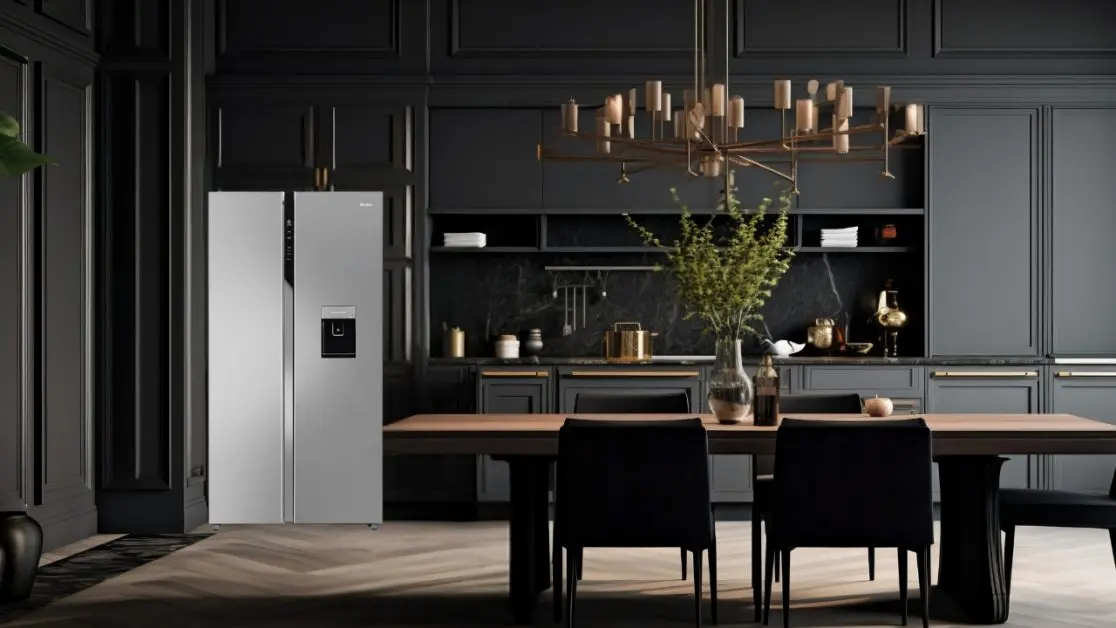
Image Credit: Haier
The Modern Era: Smart Appliances and Intelligent Efficiency
How Smart Appliances Optimize Home Energy Use
Modern appliances utilize advanced algorithms, sensors, and connected technology to maximize performance while minimizing energy consumption. Smart appliances can automatically adjust cooling, heating, water usage, and cooking settings based on real-time household needs, helping homeowners reduce waste without sacrificing convenience.
One of the best-known examples is the rise of smart thermostats, which learn a household’s habits and preferences to optimize energy usage automatically. Devices like Nest can help homeowners save an average of 12% on heating and cooling bills through adaptive scheduling and intelligent temperature management. This same concept now extends across refrigerators, ranges, and dishwashers, where built-in Wi-Fi, AI-driven controls, and remote monitoring create a more connected and energy-efficient home ecosystem.
Shop Smart Refrigerators

Samsung 28.6 cu. ft. French Door Refrigerator RF90F29AECE | Shop Appliances
This smart refrigerator uses AI-powered food recognition technology to track select items placed inside or removed from the refrigerator, helping homeowners better manage groceries while improving kitchen organization and convenience.

GE Profile 27.7 cu. ft. French Door Refrigerator PFE28KYNFS | Shop Appliances
Built-in Wi-Fi connectivity allows homeowners to remotely monitor and control refrigerator settings through a smartphone app, creating a more connected and energy-conscious kitchen experience.
Shop Smart Ranges

KitchenAid KSGS530SPS 30" Stainless Steel Gas Range | Shop Appliances
Compatible with Google Assistant and Alexa-enabled devices, this smart range allows users to preheat, bake, roast, and monitor cooking remotely through the KitchenAid™ App for added flexibility and convenience.

JennAir JPIFC730RL RISE 30" Stainless Steel Induction Range | Shop Appliances
Featuring built-in Wi-Fi and the JennAir Culinary Center, this smart induction range allows homeowners to remotely preheat, monitor cooking progress, and personalize appliance settings directly from the app.
Shop Smart Dishwasher

Bosch SHP78CM5N 800 Series 24" Stainless Steel Fully Integrated Dishwasher | Shop Appliances
Home Connect® technology allows homeowners to remotely monitor cycles, customize settings, and use Smart Cycle recommendations that automatically select the best cleaning program for each load.

GE Profile PDT755SYVFS 24" Stainless Steel Fully Integrated Dishwasher | Shop Appliances
Built-in WiFi and SmartHQ technology make it easy to control, monitor, and receive status notifications remotely while accessing customized wash cycles and smart dishwasher features.
Connected Homes and Mobile Energy Management
Today’s appliances are no longer isolated machines; they are part of a connected ecosystem managed directly from a smartphone. Consumers can now use mobile apps to monitor real-time energy consumption, receive remote diagnostic alerts, and control their appliances from anywhere.
The Growth of Proactive Energy Management
Consumer behavior has shifted from passive use to active energy control. Homeowners are increasingly participating in behavior-based initiatives, such as gamified energy-saving programs and competitions that have been shown to reduce household consumption by 3% to 6%.
How EPA Standards Changed Appliance Manufacturing
The evolution of federal energy standards and EPA regulations hasn't just changed what appliances do; it has fundamentally rewritten the blueprint of how they are built. For manufacturers, these standards served as a catalyst for a massive technological pivot, moving the industry away from simple mechanical designs toward high-performance, precision-engineered systems.
The Shift Toward High-Efficiency Components
- Advanced Compressors and Motors: Federal research and development paved the way for advanced compressors in refrigerators and high-efficiency motors in laundry units.
- Precision Materials: Innovation in materials, such as low-emissivity glass and improved insulation, allowed manufacturers to maintain appliance temperatures with significantly less energy.
- System Integration: Modern appliances are now designed as integrated systems where sensors and digital controls optimize water and electricity use in real-time.
Manufacturing Investments and Operational Changes
- Factory Modernization: The push for efficiency encouraged the move toward Smart Manufacturing, where automation and data benchmarking help plants reduce waste and energy intensity.
- Compliance-Driven Innovation: Standards set an "efficiency floor," which forced manufacturers to innovate constantly to offer value-added goods above that baseline.
Balancing Cost, Compliance, and Consumer Demand
One of the greatest challenges for manufacturers has been balancing the higher marginal costs of production with consumer price expectations. While meeting new standards often involves an initial investment in technology, history shows that the actual cost increases for products were generally much less than anticipated.
The Competitive Advantage of Sustainable Appliances
Today, sustainability has become a core brand identity and a major competitive advantage. Manufacturers have leveraged voluntary certifications to build high levels of consumer trust.
- Branding with ENERGY STAR: Because the ENERGY STAR label recognizes the top 25% of products in terms of efficiency, brands use it as a symbol of premium quality.
- Trust and Transparency: Programs like GE’s "ecomagination" have demonstrated that aligning product development with environmental performance can generate billions in revenue and increase customer engagement.
- Market Differentiation: In a crowded marketplace, manufacturers now use smart, eco-friendly features as key selling points to attract the 70% of consumers who actively seek out "greener" products.
The Future of Energy-Efficient Appliances
The appliance industry is on the verge of a second major transformation, moving beyond simple electricity savings toward a fully integrated, high-tech home ecosystem. As we look toward 2050, the focus is shifting to "Intelligent Efficiency", a system-wide approach where appliances aren't just tools, but smart partners in energy management.
AI-Powered Appliance Optimization
The next generation of appliances will rely heavily on intelligent efficiency, using a combination of sensors, computer chips, and big data to monitor and control energy use in real time. Instead of static settings, future machines will use smart algorithms to learn user habits and automatically adjust performance to minimize waste.
The Push Toward Electrification and Net-Zero Homes
We are entering the era of the Zero Net Energy (ZNE) home, where buildings produce as much energy as they consume over a year. These homes combine ultra-high-efficiency appliances with renewable energy systems like solar power to meet all their energy needs.
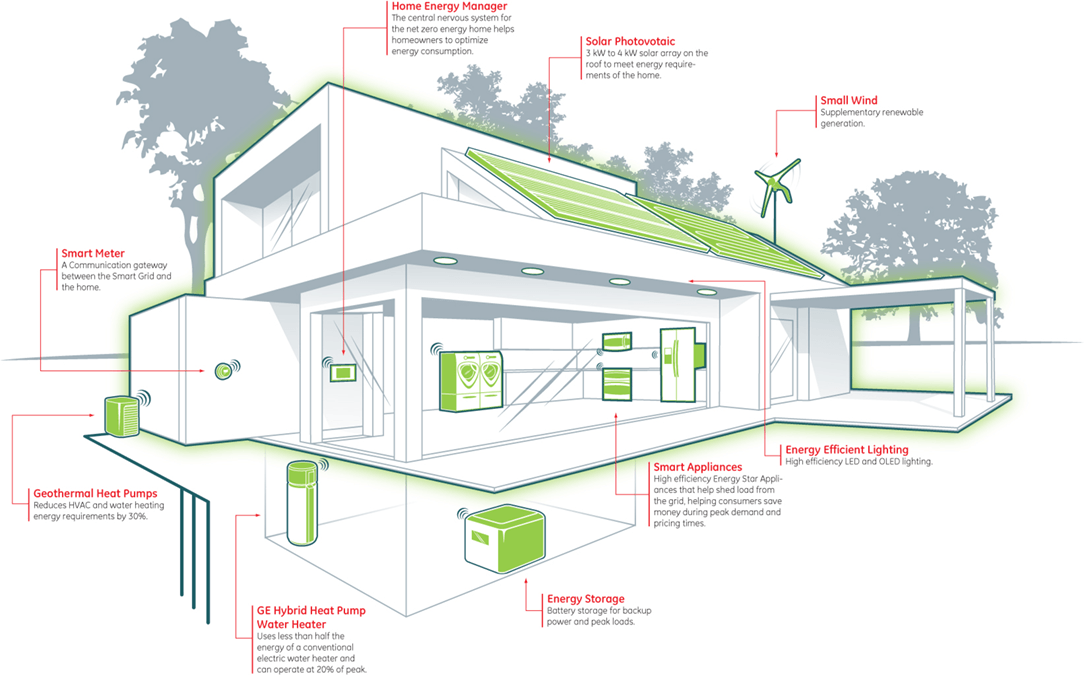
Image Credit: Local Government Commission
What Future EPA Regulations Could Mean
Future federal energy standards will likely move from setting an "efficiency floor" for individual components to regulating entire connected systems. Manufacturers can expect stricter efficiency mandates that prioritize real-time energy reporting and diagnostic capabilities. As policy evolves, the integration of appliances into the smart grid will become a primary focus.
Conclusion: Smarter Appliances for a More Efficient Home
Over the past five decades, EPA regulations and federal energy standards have transformed appliances from basic household tools into high-performance, energy-efficient systems. Programs like ENERGY STAR and efficiency mandates pushed manufacturers to innovate, helping modern refrigerators reduce energy use by roughly 65% and clothes washers by more than 70% since 1980.
Today’s appliances are smarter, more connected, and designed to lower utility costs while improving everyday convenience. As homeowners continue prioritizing sustainability, smart technology, and long-term value, energy-efficient appliances have become the new standard for modern living.
Upgrade Your Home with Energy-Efficient Appliances at Shop Appliances
Discover ENERGY STAR certified refrigerators, washers, ranges, and smart home appliances at Shop Appliances. Upgrade your kitchen or laundry room with high-performance appliances designed to save energy, reduce costs, and simplify everyday life.
Explore Our ENERGY STAR Appliance Collections
Energy Star Kitchen Appliances
Energy Star Cooking Appliances
Energy Star Laundry Appliances
Energy Star Cooling Appliances
FAQs
Why were appliance efficiency standards introduced?
Appliance standards were introduced during the 1970s energy crisis to reduce national energy consumption and lower household utility costs.
What is the purpose of the ENERGY STAR program?
ENERGY STAR helps consumers identify appliances that meet higher energy-efficiency standards while helping manufacturers promote sustainable products.
How much more efficient are modern appliances?
Since 1980, refrigerators have reduced energy use by about 65%, while clothes washers have improved by more than 70%.
How do smart appliances improve energy efficiency?
Smart appliances use sensors, automation, and real-time monitoring to reduce unnecessary energy consumption and optimize performance.
What trends are shaping the future of appliance manufacturing?
AI integration, connected home ecosystems, electrification, and stricter energy regulations are shaping the future of appliance manufacturing.
Why buy from ShopAppliances.com?
ShopAppliances.com is an authorized dealer offering genuine energy-efficient appliances, manufacturer-backed warranties, competitive pricing, reliable delivery options, and expert support to help you choose the right ENERGY STAR products for your home.
Read More
The History of the Washing Machine: How we moved from scrub boards to app-controlled laundry
The Rise of Smart Appliances: A Look Back at the First Connected Devices
Introducing Verona Refrigerators: Elegant Cooling Designed for Modern Living
Dishwasher History: The Journey from Josephine Cochrane’s 1886 Invention to Modern, Quiet Models
Pet-Friendly Washer and Dryer Systems: How to Remove Pet Hair and Odors Effectively