
How to Choose Between Rangetop, Cooktop, and Range

What Is the Difference Between a Range, Cooktop, and Rangetop?
What Is a Range?
A range (often called a stove) is an all-in-one appliance that combines a cooktop surface and an integrated oven into a single unit. Ranges are available in several styles, including freestanding, slide-in, and drop-in models, making them one of the most versatile cooking appliances for modern kitchens.
Because they combine both cooking and baking functions into a single footprint, ranges are often considered the most practical and budget-friendly option for homeowners with limited kitchen space. They are especially popular in apartments, smaller homes, and family kitchens where convenience and efficiency are priorities.
Ranges are available in gas, electric, dual-fuel, and induction configurations, giving homeowners flexibility based on their cooking preferences and kitchen setup.
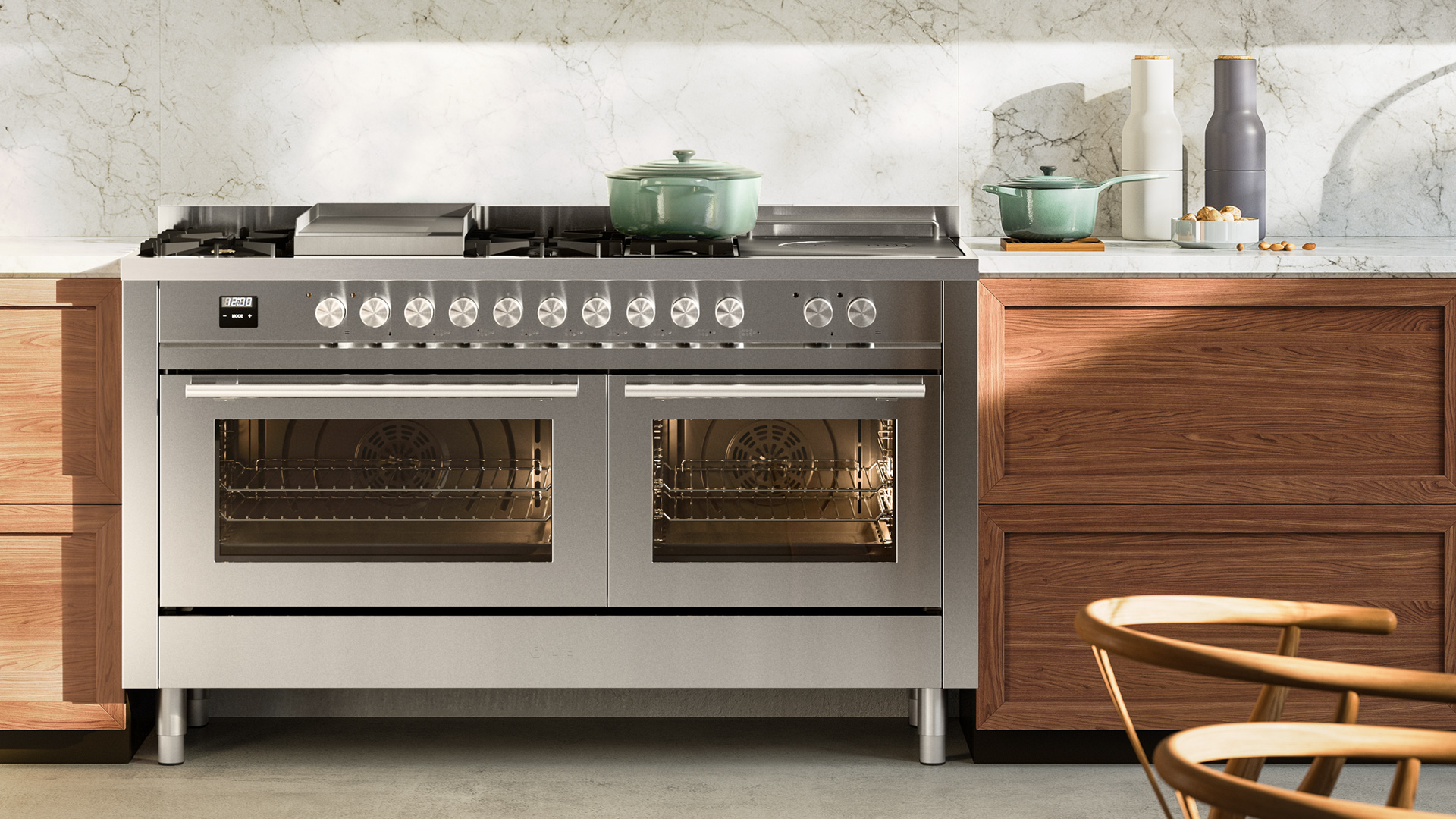
Image Credit: ILVE
What Is a Cooktop?
A cooktop is a surface-only cooking appliance designed for tasks like boiling, frying, simmering, and sautéing. Unlike a range, it does not include an oven, which means it must be paired with a separate wall oven for baking and roasting.
Cooktops are typically installed as drop-in units directly into the countertop, creating a sleek and streamlined appearance. Because they are relatively shallow, many homeowners can install functional storage drawers underneath, making them a great option for maximizing kitchen storage.
One of the biggest advantages of cooktops is their flexibility in fuel types. They are widely available in gas, electric, and induction models, allowing homeowners to choose the cooking technology that best fits their needs and cooking style.
Cooktops are especially popular in modern and open-concept kitchens where design flexibility and minimalist aesthetics are important.

Image Credit: GE Profile
What Is a Rangetop?
A rangetop is a professional-style cooking surface that delivers the appearance and performance of a commercial kitchen setup without including an attached oven. Like a cooktop, it requires a separate wall oven to create a complete cooking system.
Rangetops are designed with a more premium and heavy-duty construction, often featuring front-facing controls, larger burner layouts, continuous grates, and higher-BTU burners for powerful cooking performance. They are commonly favored by serious home chefs who frequently cook with large cookware or need stronger heat output for searing and rapid boiling.
Unlike standard cooktops, rangetops are installed as slide-in units that extend from the back wall to the front edge of the countertop, creating a bold, built-in appearance similar to a professional restaurant kitchen.
Most rangetops are gas-powered, although induction rangetop models are becoming more widely available. Their combination of commercial-inspired aesthetics and high-performance cooking capabilities makes them a popular choice in luxury and chef-inspired kitchens.
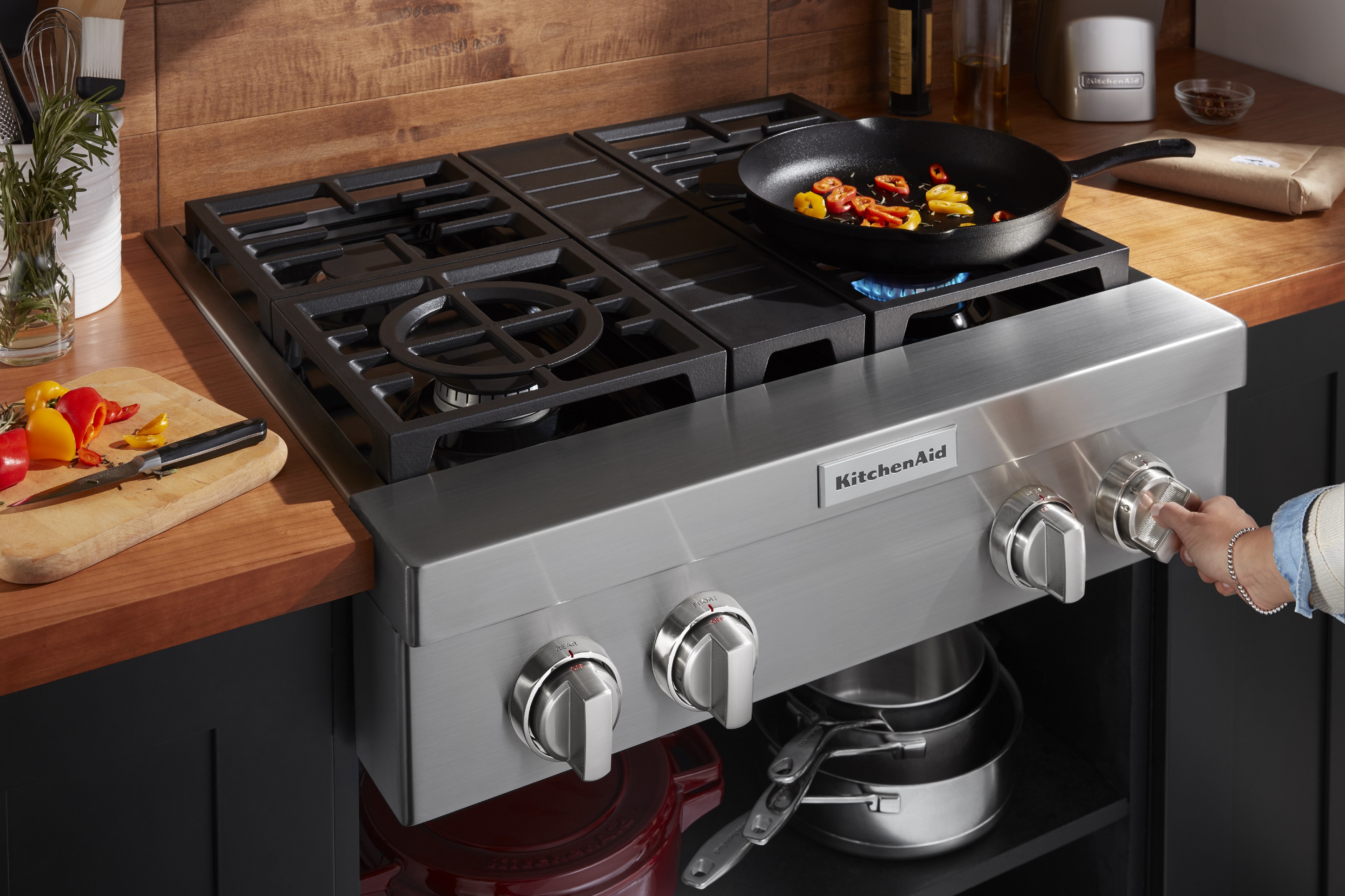
Image Credit: KitchenAid
Kitchen Size and Layout Considerations
When choosing between a range, cooktop, or rangetop, your kitchen’s size and layout play a major role in determining which option will work best. From maximizing space in compact kitchens to creating a more open and social cooking environment, each appliance type offers unique advantages depending on your design goals.
Best Choice for Small Kitchens: The Range
A range is often the best solution for smaller kitchens because it combines both the cooktop and oven into a single appliance footprint. Instead of dedicating separate areas for cooking and baking appliances, everything is centralized in one convenient location.
Here’s why ranges work especially well in compact spaces:
- Space Saving Design: Since the oven is built directly beneath the cooktop, you eliminate the need for a separate wall oven and preserve valuable cabinetry and wall space.
- Convenient Workflow: With everything in one place, moving between stovetop cooking and baking is quick and efficient.
- Budget Friendly Installation: Ranges are typically easier and less expensive to install compared to separate cooktop and wall oven combinations.
- Ideal for Apartments and Smaller Homes: Their compact footprint makes them perfect for condos, galley kitchens, and smaller family kitchens.

Image Credit: Danby
For homeowners who prioritize practicality, affordability, and simplicity, a range is usually the most efficient choice.
Best Choice for Open-Concept Kitchens: Cooktops and Rangetops
In larger or open-concept kitchens, cooktops and rangetops provide much greater flexibility in layout and kitchen flow. Because the cooking surface is separated from the oven, homeowners can create more customized and functional kitchen designs.
Some of the biggest benefits include:
- Kitchen Island Installation: Cooktops and rangetops can be installed directly into islands, creating a more open and interactive cooking space.
- Better Traffic Flow: Separating the cooktop from the wall oven prevents crowding in one area and allows multiple people to cook comfortably at the same time.
- Improved Entertaining: Island installations allow the cook to face guests or family members instead of facing a wall while preparing meals.
- More Design Freedom: These appliances work especially well in spacious kitchens where aesthetics and workflow are equally important.
This setup is particularly popular in luxury kitchens and modern open floor plans designed for entertaining.
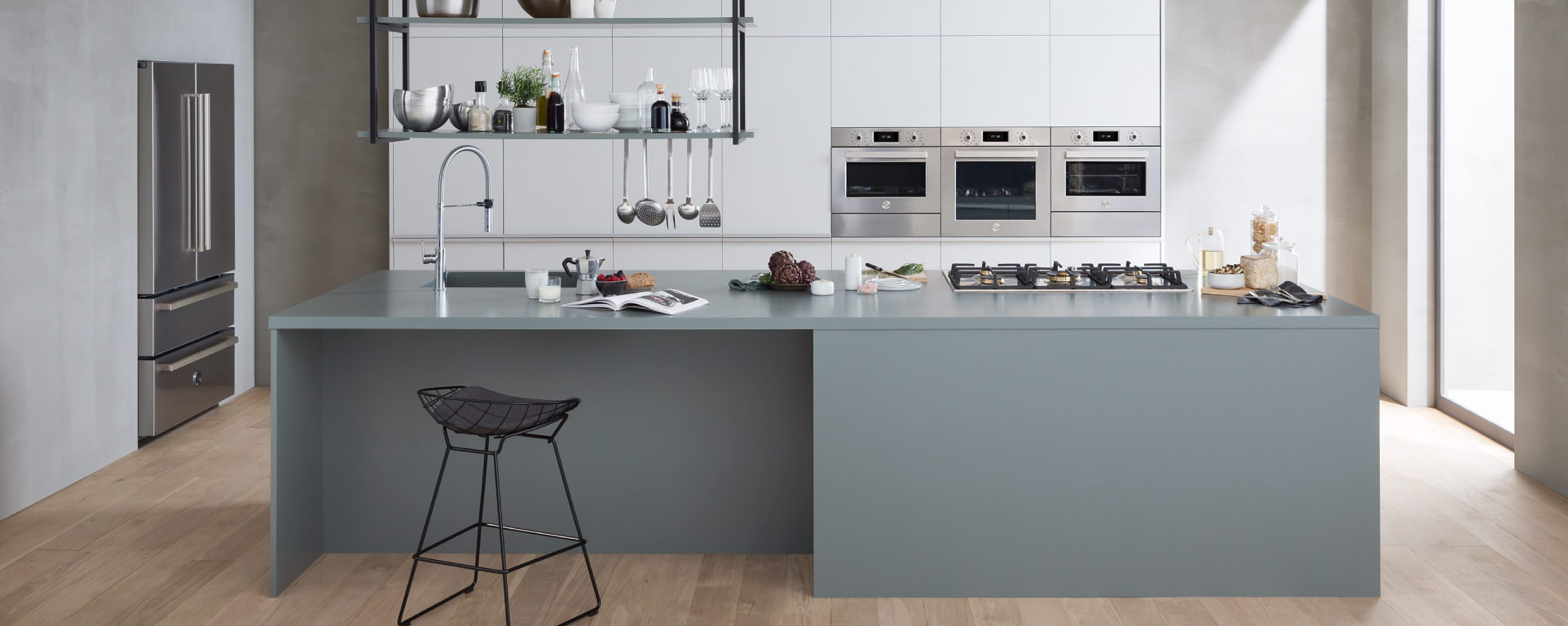
Image Credit: Bertazzoni
Flexibility in Kitchen Design
One of the biggest advantages of choosing a cooktop or rangetop is the ability to create a fully customized kitchen layout tailored to your cooking habits and ergonomic needs.
With separate cooking and baking appliances, you gain several design advantages:
- Ergonomic Wall Oven Placement: Wall ovens can be installed at eye or arm level, reducing the need to bend over and making cooking more comfortable.
- Flexible Appliance Positioning: Cooktops can be placed on islands, along perimeter counters, or beneath windows depending on the kitchen design.
- Mix-and-Match Fuel Types: Homeowners can combine appliances for the best performance, such as pairing a gas rangetop with an electric convection wall oven.
- Modern Minimalist Aesthetic: Cooktops sit nearly flush with the countertop, creating a sleek and seamless appearance that works beautifully in contemporary kitchens.
- Enhanced Workflow: Separating prep, cooking, and baking zones can make the kitchen feel more organized and efficient.
For homeowners designing a custom kitchen or remodeling a larger space, cooktops and rangetops offer the highest level of layout flexibility and personalization.

Image Credit: KitchenAid
Cooking Performance and Power
Cooking performance is one of the biggest factors homeowners consider when deciding between a range, cooktop, or rangetop. While all three can handle everyday cooking tasks, they differ significantly in heat output, precision, efficiency, and overall cooking experience.
Whether you’re an occasional home cook or someone who loves restaurant-quality performance, understanding these differences can help you choose the right appliance for your kitchen.
Why Serious Home Chefs Prefer Rangetops
For passionate home cooks and culinary enthusiasts, rangetops are often the preferred choice because they deliver professional-grade performance paired with a commercial-style design.
Unlike standard cooking surfaces, rangetops are engineered for high-output cooking and demanding kitchen tasks.
Here’s why many serious cooks gravitate toward rangetops:
- High-Powered Burners: Rangetops commonly feature higher BTU burners than traditional cooktops or ranges, with some premium models reaching up to 20,000 BTUs or more for rapid boiling and intense searing.
- Exceptional Temperature Control: Many professional-style burners offer precise low-heat simmer settings, making it easier to handle delicate cooking tasks like melting butter, warming sauces, or simmering soups.
- Commercial-Inspired Design: Heavy-duty continuous grates allow cookware to slide smoothly across burners without lifting heavy pots and pans.
- Built for Frequent Cooking: Rangetops are designed with durable materials and robust construction intended to withstand heavy daily use.
- Luxury Kitchen Appeal: Most rangetops are found in premium appliance collections, making them popular in upscale and chef-inspired kitchens.
For homeowners who cook frequently, entertain often, or want restaurant-style performance at home, a rangetop delivers the most powerful cooking experience.
From powerful sealed burners to heavy-duty cast iron grates and professional styling, today’s rangetops are built to handle demanding cooking tasks while elevating the look of your kitchen. Below are a few standout professional-style cooktops and rangetops available at ShopAppliances.com.

Viking VRT5366BSSLP 5 Series 36" Stainless Steel Gas Cooktop | Shop Appliances
Professional-Grade Burner Power: Cook like a pro with up to 18,500 BTUs and infinite burner settings designed for precise simmering, rapid boiling, and high-heat searing performance.

ZLINE RT48 Legacy 48" Stainless Steel Gas Cooktop | Shop Appliances
Premium Italian Burners: Featuring durable Italian-made burners and a limited lifetime burner warranty, this ZLINE rangetop combines professional performance with long-lasting reliability and commercial-inspired styling.

Thor Kitchen HRT3618U 36" Stainless Steel Gas Cooktop | Shop Appliances
Precision Flame Control: Equipped with pro-style control knobs and powerful burners, this Thor Kitchen cooktop offers precise flame adjustments for everything from delicate simmering to high-heat cooking.

Forno FCTGS575136 Spezia 36" Stainless Steel Gas Cooktop | Shop Appliances
Premium Cooking Versatility: Featuring a durable stainless steel body, heavy-duty cast iron grates, a wok ring, and a reversible grill/griddle accessory, this Forno cooktop is designed for flexible, high-performance cooking.
Benefits of Induction and Electric Cooktops
Modern cooktops, especially induction models, are known for their precision, efficiency, and sleek design. They are particularly appealing to homeowners who value modern cooking technology and easy maintenance.
Induction cooktops have become increasingly popular due to their advanced performance and energy-saving capabilities.
Some of the biggest advantages include:
- Exceptional Precision: Induction cooking provides highly accurate temperature control, making it ideal for delicate recipes that require consistency.
- Fast Heating Speeds: Because induction technology heats cookware directly instead of heating the cooking surface first, water boils significantly faster than with traditional gas or electric cooking.
- Superior Energy Efficiency: Induction is considered the most energy-efficient cooking method because very little heat is lost during the cooking process.
- Cooler Cooking Surface: The glass surface remains relatively cool, helping reduce heat buildup in the kitchen and minimizing burned-on spills.
- Easy Cleanup: Smooth glass surfaces are simple to wipe clean and often require less scrubbing compared to gas burners and grates.
- Consistent Electric Heat: Traditional electric cooktops also provide stable and even heat distribution, which works well for simmering and low-temperature cooking.
For homeowners who prioritize precision, efficiency, and modern aesthetics, induction and electric cooktops are an excellent choice.
From sleek minimalist designs to advanced smart cooking features, today’s induction and electric cooktops offer a wide range of options for modern kitchens. Below are a few standout cooktop models available at ShopAppliances.com.

LG CBIH3013BE 30" Black Electric Cooktop | Shop Appliances
Safer Induction Cooking: Because induction uses electromagnetic energy to heat cookware directly instead of heating the cooktop surface itself, it helps reduce fire hazards and accidental burns. The cooler surface also prevents spills from baking onto the glass, making cleanup faster and easier.

Bosch NIT8661UC 800 Series 37" Black Induction Cooktop | Shop Appliances
Comprehensive Safety Features: This Bosch induction cooktop includes advanced safety functions such as automatic shut-off, residual heat indicators, and child lock settings to help create a safer and more user-friendly cooking experience.

JennAir JICT730SS Lustre 30" Stainless Steel Induction Cooktop | Shop Appliances
Lustre Brushed Metal Design: Featuring elegant brushed metal detailing and a sleek contemporary appearance, this JennAir induction cooktop blends premium aesthetics with precision cooking performance for modern luxury kitchens.

Samsung NZ30K7880US 30" Stainless Steel Electric Cooktop | Shop Appliances
Efficient and Precise Induction Performance: By heating cookware directly, this Samsung induction cooktop delivers faster cooking speeds, greater energy efficiency, and more precise temperature control while keeping the surrounding cooking surface cooler.
Why Ranges Are Convenient for Everyday Cooking
Despite the rise of luxury cooking appliances, ranges remain the most popular option for everyday home kitchens because of their practicality, simplicity, and value.
A range combines both the cooktop and oven into one convenient appliance, making it ideal for busy households and smaller kitchens.
Here’s why ranges continue to be a top choice:
- All-in-One Convenience: With the oven located directly beneath the cooktop, everything you need for cooking and baking is in one place.
- Efficient Cooking Workflow: Moving from stovetop cooking to oven roasting or baking is quick and seamless.
- Space Saving Design: Ranges maximize kitchen functionality without requiring additional wall oven installations.
- Budget Friendly: Purchasing a single appliance is generally more affordable than buying separate cooking components.
- Wide Variety of Features: Many modern ranges now include advanced cooking technologies such as convection baking, air fry modes, steam cleaning, smart connectivity, and no-preheat cooking functions.
- Ideal for Everyday Families: Ranges are practical, reliable, and versatile enough to handle everything from quick weekday dinners to large holiday meals.
For homeowners looking for a dependable and cost-effective cooking solution, a range offers the best balance of convenience, functionality, and value.
Whether you prefer a professional-style gas range, a luxury dual-fuel model, or modern induction cooking technology, today’s ranges are available in a wide variety of styles and performance levels to match every kitchen design and cooking preference. Below are a few standout range options available at ShopAppliances.com.

ILVE UM15FDQNS3BKG Majestic II 60" Black Dual Fuel Range | Shop Appliances
Majestic Design & Performance: The ILVE Majestic II combines professional-grade cooking performance with bold Italian craftsmanship. Its rounded steel detailing, premium finishes, and expansive cooking capacity make it a stunning centerpiece for luxury kitchens.

Fulgor Milano F6PDF364GS1 Sofia 36" Stainless Steel Dual Fuel Range | Shop Appliances
Professionally Crafted: This multifunction range combines the performance of a professional cooking appliance with elegant Italian styling. Its stainless steel construction and advanced cooking features make it ideal for both everyday cooking and entertaining.

Bertazzoni MAS305GASXV Master 30" Stainless Steel Gas Range | Shop Appliances
Extra-Large Dual Convection Oven: The spacious 4.7 cu. ft. oven features dual horizontal convection for even baking and roasting across multiple rack positions, while the powerful broiler delivers exceptional grilling performance.

JennAir JPIFC736RL RISE 36" Stainless Steel Induction Range | Shop Appliances
RISE Design Expression: Featuring bold mixed-metal styling and advanced induction cooking technology, this JennAir range combines precision performance with a striking professional-inspired aesthetic designed to stand out in modern luxury kitchens.
Ergonomics and Safety Features
Beyond cooking performance and kitchen design, ergonomics and safety are also important considerations when choosing between a range, cooktop, or rangetop. The placement of controls, appliance height, and overall kitchen workflow can all impact daily comfort and long-term usability.
For families with children, homeowners planning aging-in-place kitchens, or anyone who cooks frequently, these features can make a significant difference in the overall cooking experience.
Cooktops and Child Safety
One reason many homeowners prefer cooktops is their built-in safety advantages, especially in households with young children.
Unlike many traditional ranges, cooktops typically place the controls on the top surface or side area, making them more difficult for small children to access.
Here are some of the key safety benefits:
- Less Accessible Controls: Because the knobs and touch controls are positioned farther back on the countertop, children are less likely to accidentally turn on burners.
- Integrated Safety Features: Many modern cooktops include advanced safety functions such as child locks, control locks, automatic shutoff systems, and hot surface indicators.
- Reduced Burn Risks with Induction: Induction cooktops remain cooler to the touch since the surface itself does not generate heat directly, helping reduce accidental burns.
- Cleaner Cooking Environment: Smooth glass cooktops eliminate exposed grates and burners, creating a more streamlined and easier-to-clean surface.
For families prioritizing kitchen safety and modern convenience, cooktops can offer valuable peace of mind.

Image Credit: Smeg
Wall Oven Benefits for Accessibility
When paired with a cooktop or rangetop, a separate wall oven offers major ergonomic advantages compared to the traditional oven placement found in ranges.
Because wall ovens can be installed at a more comfortable height, they improve accessibility and reduce physical strain during cooking.
Some of the biggest benefits include:
- Comfortable Oven Access: Installing the oven at eye or arm level minimizes bending and crouching when checking food, lifting heavy cookware, or removing hot dishes.
- Better for Back and Knee Comfort: Wall ovens are especially beneficial for homeowners with mobility concerns or chronic back and knee discomfort.
- Improved Visibility: Elevated placement makes it easier to monitor food while cooking and safely remove baking trays or roasting pans.
- Ideal for Aging in Place: Many homeowners designing long-term kitchens choose wall ovens because they provide safer and easier access as mobility needs change over time.
- More Flexible Kitchen Workflow: Separating the oven from the cooktop allows multiple people to cook simultaneously without crowding one area.
For homeowners focused on comfort, accessibility, and long-term usability, a wall oven setup can significantly improve the kitchen experience.
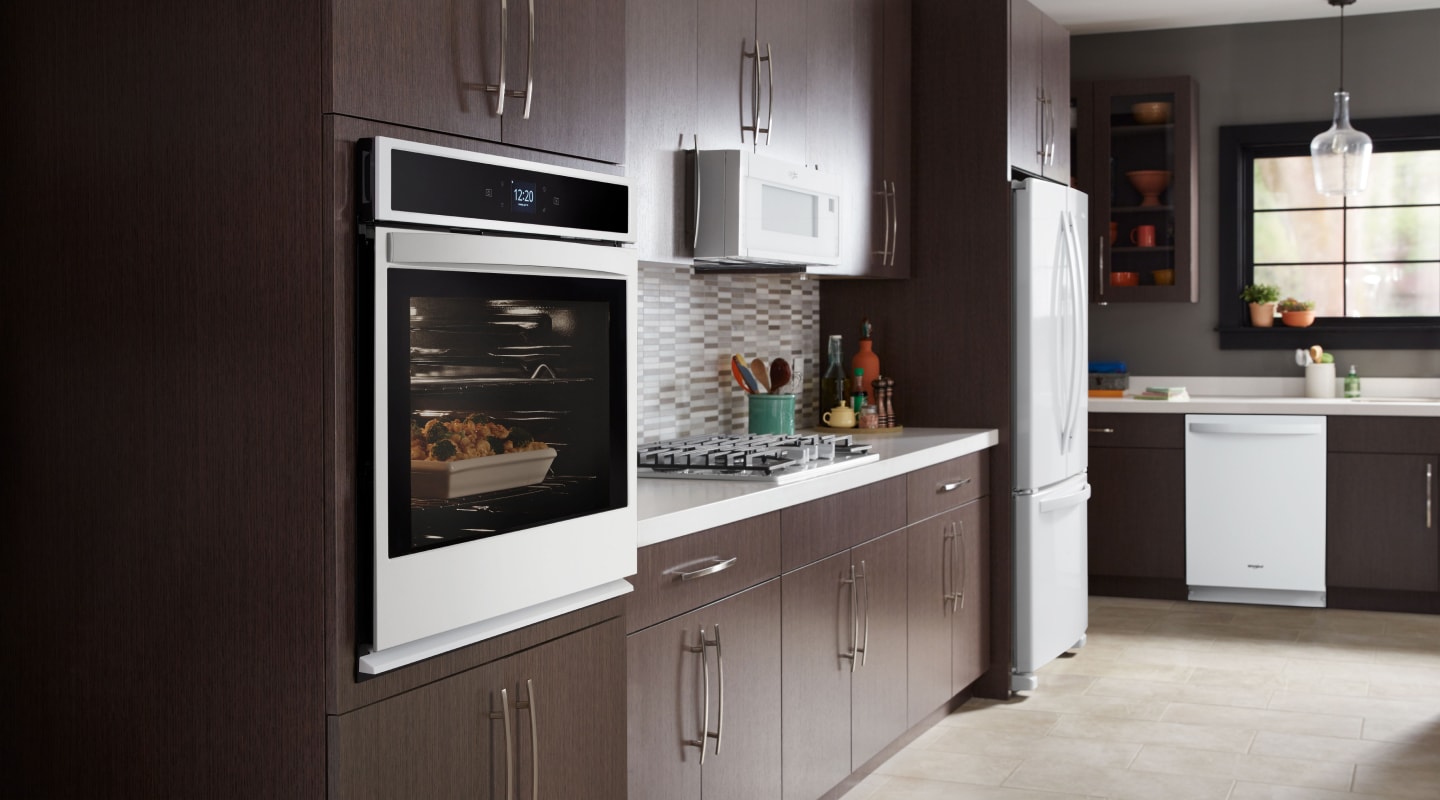
Image Credit: Whirlpool
Front Control Advantages on Rangetops and Ranges
Both rangetops and many modern ranges feature front-facing controls that offer a more ergonomic and professional cooking experience.
Unlike rear-control cooking surfaces, front-mounted knobs allow users to make adjustments quickly and comfortably while cooking.
Some of the main advantages include:
- Easy-to-Reach Controls: Front controls are easier to access without leaning across hot cookware or steam.
- Safer Temperature Adjustments: Reducing the need to reach over burners helps minimize the risk of accidental spills or burns.
- Better Visibility While Cooking: Large front-facing knobs are often easier to see and adjust during active cooking.
- Professional Kitchen Feel: Front controls are inspired by commercial kitchen equipment and are often preferred by serious home cooks for their responsiveness and convenience.
- Enhanced Cooking Workflow: Quick burner adjustments become more natural and intuitive during fast-paced cooking.
For homeowners who cook frequently or prefer a more chef-inspired setup, front-control rangetops and ranges offer both functional and ergonomic advantages.
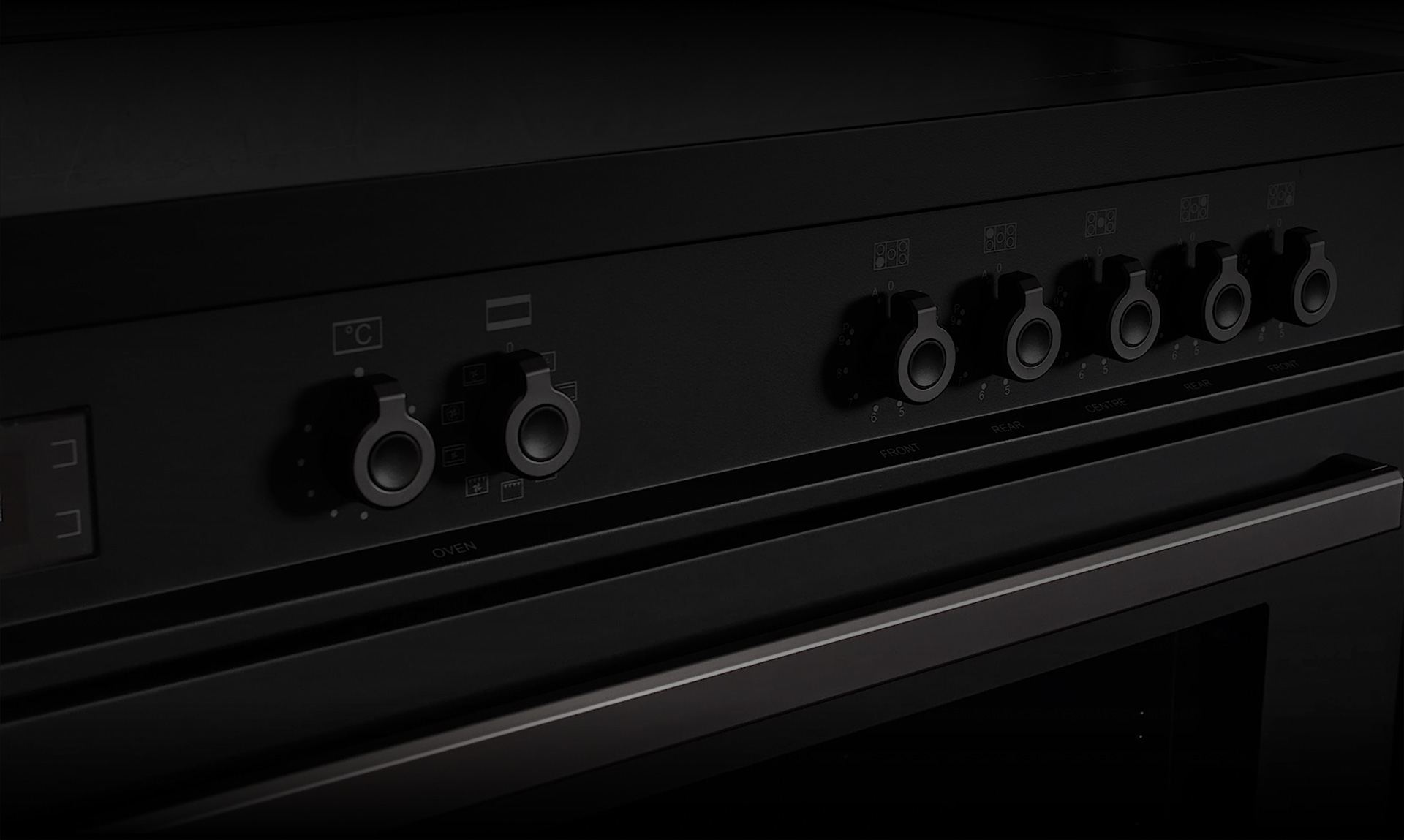
Image Credit: Bertazzoni
Aesthetic and Kitchen Design Goals
Your cooking appliance does more than prepare meals. It also plays a major role in defining the overall style and personality of your kitchen. Whether you prefer a sleek modern design, a cozy traditional look, or a bold chef-inspired aesthetic, ranges, cooktops, and rangetops each create a very different visual impact.
Choosing the right option can help tie together your cabinetry, countertops, ventilation, and overall kitchen layout.
Range as a Kitchen Focal Point
A range often becomes the natural centerpiece of the kitchen, especially in traditional and transitional layouts where the cooking area is designed to stand out visually.
- Statement Appliance Appeal: High-end ranges can instantly elevate the look of a kitchen with premium finishes, bold hardware, or eye-catching colors.
- Wide Design Variety: From sleek stainless steel models to retro-inspired colored ranges, there are options to match nearly any kitchen style.
- Perfect Pairing with Decorative Hoods: Ranges are commonly paired with custom ventilation hoods or dramatic backsplash designs to create a cohesive centerpiece wall.
Minimalist Appeal of Cooktops
For modern kitchens focused on clean lines and simplicity, cooktops offer one of the most seamless and minimalist design options available.
- Flush Installation: Cooktops blend smoothly into the countertop surface, creating a clean and uncluttered look.
- Seamless Integration: The low-profile design allows the countertop material and surrounding cabinetry to remain the visual focus.
- Cleaner Sightlines: Without a large oven body beneath the cooking surface, the kitchen often feels more open and visually spacious.
Professional Look of Rangetops
A rangetop is designed to create the bold appearance of a professional chef’s kitchen. With its commercial-inspired styling and heavy-duty construction, it naturally becomes a standout feature within the space.
- Professional-Style Design: Rangetops mimic the look of commercial cooking equipment commonly found in restaurant kitchens.
- Front-Facing Control Knobs: Large, prominent knobs add both visual impact and functional convenience.
- Chef-Inspired Luxury Appeal: Their rugged and substantial appearance makes them especially popular in gourmet kitchens designed for serious cooking.
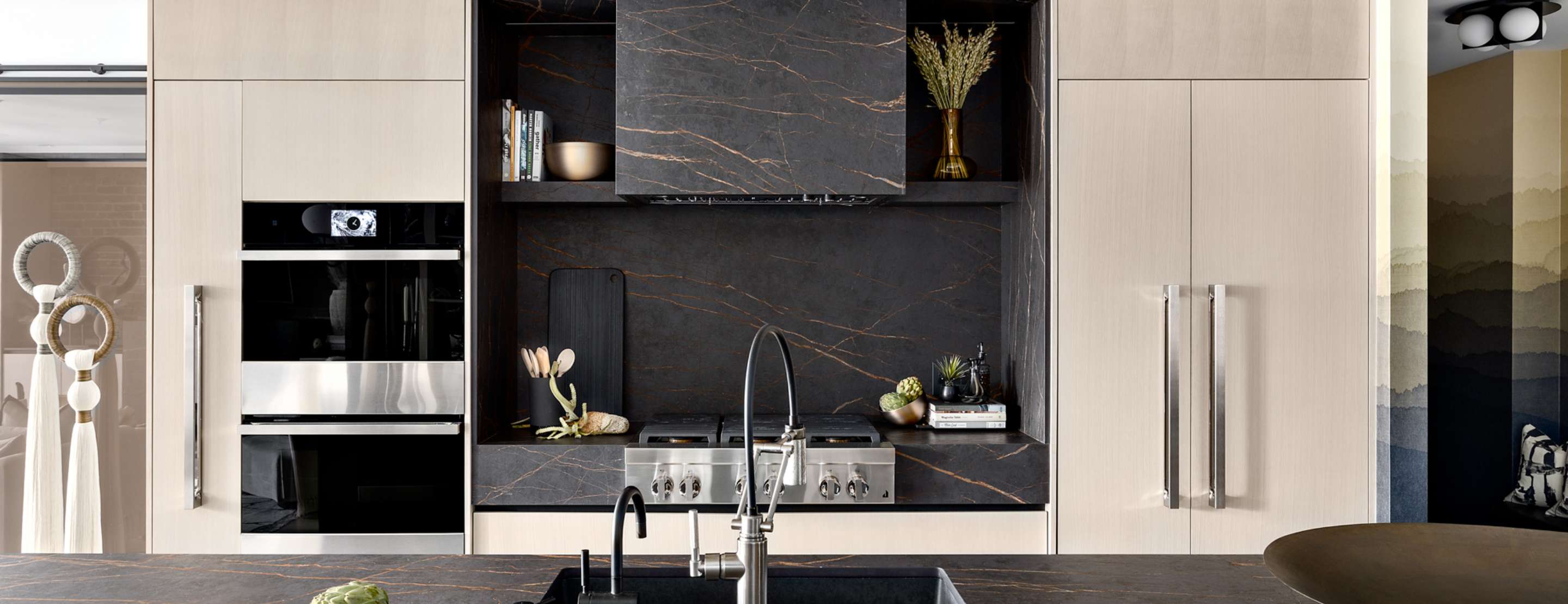
Image Credit: JennAir
Budget and Storage Considerations
Budget and storage are two of the most practical factors to consider when choosing between a range, cooktop, or rangetop. While performance and aesthetics often get the most attention, installation costs, cabinetry requirements, and available storage space can have a major impact on your overall kitchen design and budget.
Each appliance option comes with different costs and storage trade-offs, making it important to balance functionality with your available space and renovation goals.
Why Ranges Are More Budget-Friendly
- All-in-One Appliance Design: A range combines the cooktop and oven in one unit, eliminating the need to purchase separate cooking appliances.
- Lower Overall Investment: Basic ranges can start around a few hundred dollars, while separate cooktop and wall oven combinations often cost significantly more.
- Simpler Installation Process: Installing a single appliance is usually faster and less labor-intensive compared to coordinating separate appliance installations.
Extra Storage Benefits with Cooktops
- Functional Drawer Space: Many kitchens can accommodate deep drawers directly beneath the cooktop for storing pots, pans, utensils, and cooking accessories.
- Improved Cabinet Efficiency: Since there is no integrated oven beneath the cooking surface, the entire lower cabinet area can be optimized for storage.
- Better Kitchen Organization: Easy-access drawers beneath the cooktop can improve cooking workflow by keeping cookware close to the preparation area.
Why Rangetops Require More Cabinet Space
- Deeper Appliance Body: Rangetops extend farther downward into the cabinet base due to their professional burner system and front control panel.
- Full Slide-In Installation: Unlike a drop-in cooktop, a rangetop requires a larger cutout and occupies a full section of cabinetry.
- Limited Under-Counter Storage: In most cases, drawers or functional storage directly beneath the rangetop are either reduced or completely eliminated.
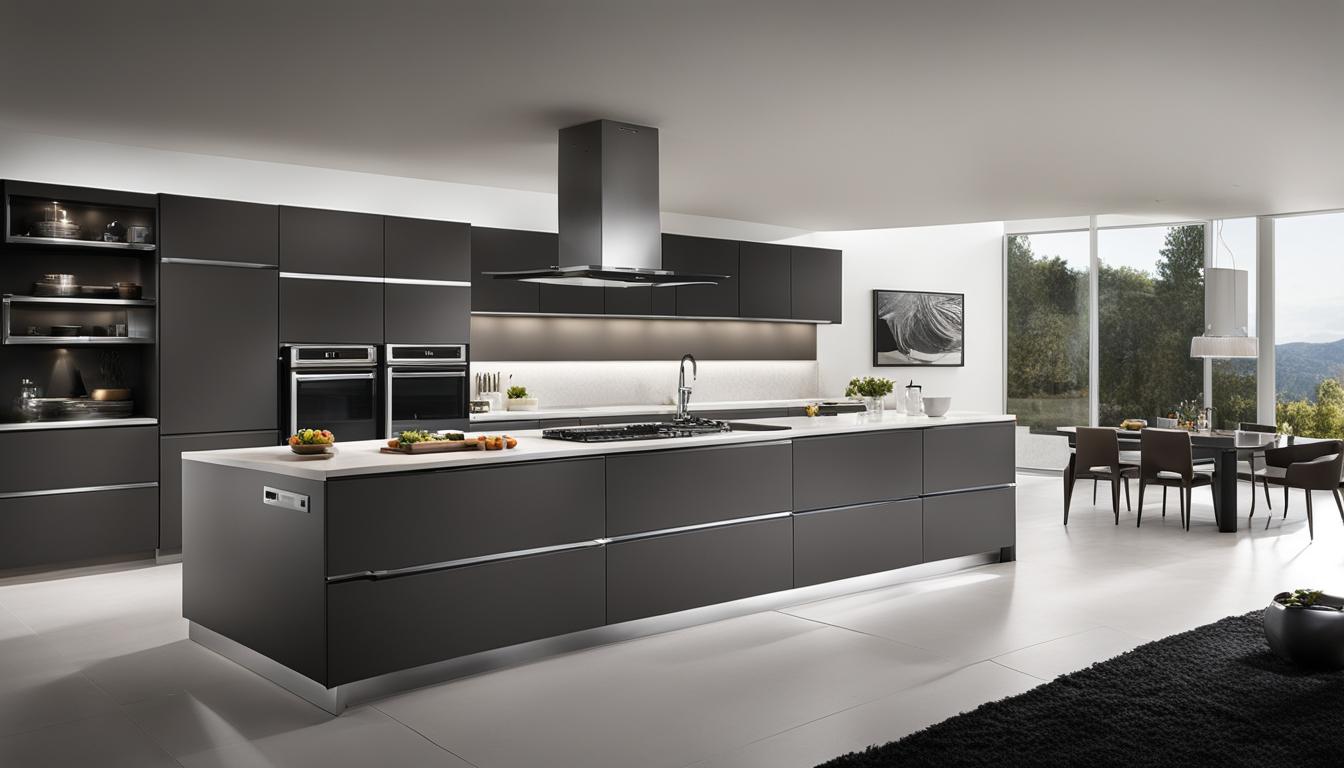
Image Credit: JennAir
Pros and Cons of Each Appliance Type
Range Pros and Cons
Pros:
- Affordable
- Space-saving
- Easy installation
Cons:
- Less design flexibility
- Limited customization
Rangetop Pros and Cons
Pros:
- Professional performance
- Front controls
- Premium aesthetic
Cons:
- Expensive
- Requires more space
- Limited storage below
Cooktop Pros and Cons
Pros:
- Flexible layouts
- Modern appearance
- Multiple fuel options
Cons:
- Requires separate wall oven
- Higher total cost
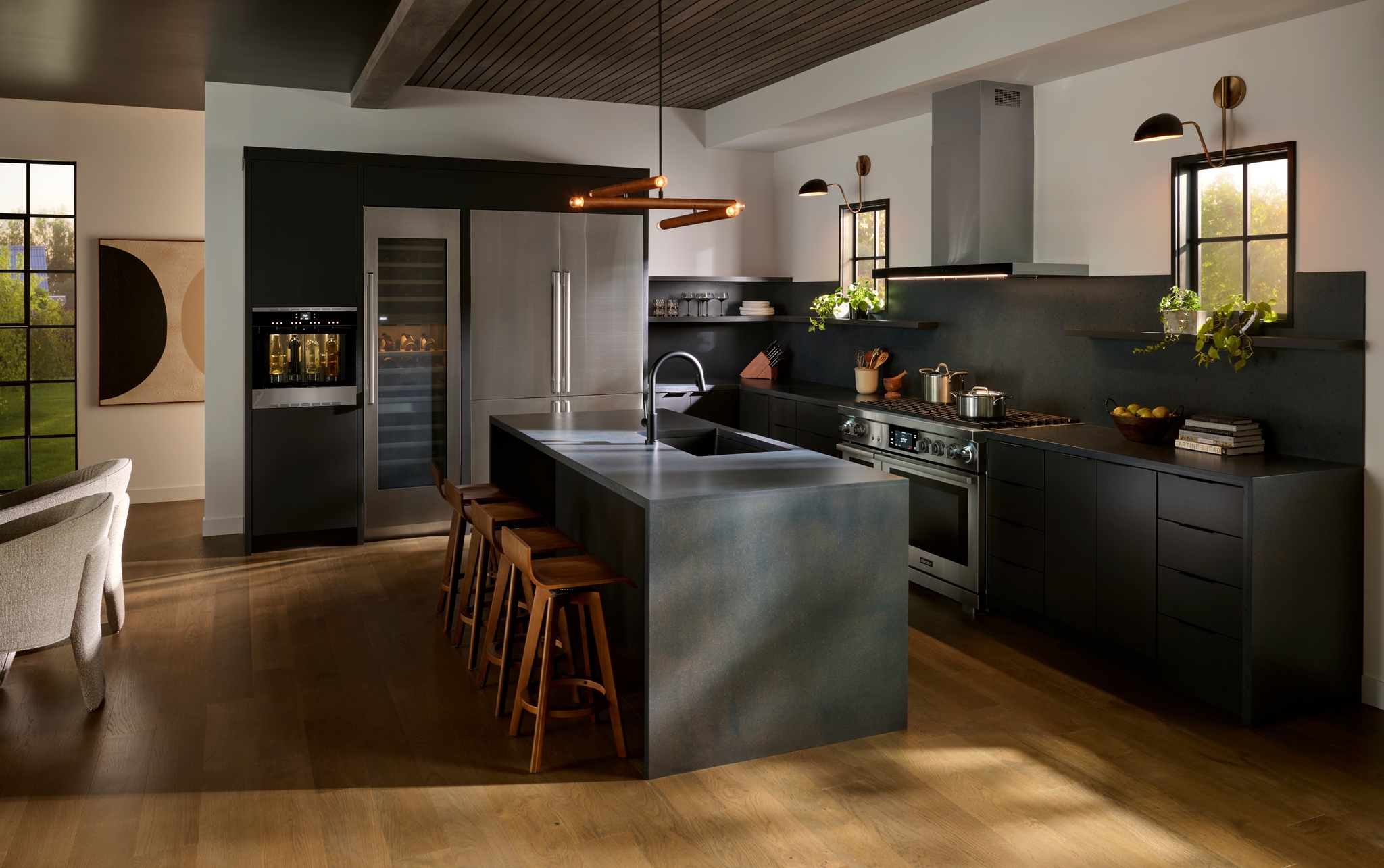
Image Credit: Dacor
Summary Comparison Table
| Feature | Range | Cooktop | Rangetop |
|---|---|---|---|
| Components | Stovetop + Oven | Surface only | Surface only |
| Best For | Small kitchens | Modern layouts | Serious home chefs |
| Fuel Options | Gas, Electric, Induction | Gas, Electric, Induction | Mostly Gas |
| Control Location | Front or Rear | Top Surface | Front Face |
| Installation | Freestanding / Slide-in | Drop-in | Slide-in Cutout |
| Under-Cabinet Storage | No | Yes | Limited |
| Design Style | Traditional or Modern | Minimalist | Professional |
| Typical Cost | Lower | Medium to High | High |
Which One Should You Choose?
Choose a Range If...
You want affordability and simplicity
You have limited kitchen space
You prefer an all-in-one appliance
Choose a Cooktop If...
You want a modern kitchen design
You prefer induction cooking
You want flexible oven placement
Choose a Rangetop If...
You cook frequently or professionally
You want maximum burner power
You love commercial-style kitchen aesthetics
Final Thoughts
Choosing between a range, cooktop, and rangetop ultimately comes down to your cooking style, kitchen layout, design preferences, and overall budget.
If you want a practical and space-saving solution, a range offers the convenience of an all-in-one appliance. If you prefer a sleek and customizable kitchen design, a cooktop paired with a wall oven provides greater flexibility and modern appeal. For homeowners who want professional-grade performance and a bold chef-inspired aesthetic, a rangetop delivers premium power and luxury styling.
Before making your final decision, consider:
- Your cooking habits and performance needs
- Available kitchen space and storage
- Preferred kitchen design style
- Installation requirements
- Long-term budget and remodeling goals
No matter which option fits your kitchen best, choosing the right cooking appliance can dramatically improve both the functionality and appearance of your space.
At ShopAppliances.com, we carry a wide selection of ranges, cooktops, and rangetops from today’s top appliance brands, including luxury, professional, and budget-friendly options for every type of kitchen. Whether you’re remodeling your entire kitchen or simply upgrading your cooking setup, our appliance experts are here to help you find the perfect fit for your home.
Browse our collection today and discover the best cooking appliances for your kitchen at ShopAppliances.com.

Image Credit: Dacor
Frequently Asked Questions
Is a rangetop better than a cooktop?
Neither is universally better; it depends on your cooking style and kitchen design. Rangetops are preferred by serious home chefs for their high-performance, higher BTU output, and commercial look. Cooktops are often chosen for minimalist, modern designs because they sit flush with the countertop and save cabinet space.
Are rangetops worth the extra cost?
Rangetops are typically more expensive than cooktops because they are built as heavy-duty, luxury appliances. However, high-end appliances often last 15–20 years (compared to 7–10 years for standard models) and can deliver a 70% to 100% return on investment at the time of a home sale, which may justify the higher initial price.
Is induction better than gas for cooktops?
Induction is widely considered superior for speed, safety, and efficiency.
- Performance: Induction offers faster boiling times and extreme precision, with some models featuring up to 19 power settings for delicate simmering.
- Efficiency: It is the most energy-efficient method because it heats the cookware directly, minimizing heat loss in the kitchen.
- Cleaning: The surface stays cooler, so spills don't burn on, making it much easier to clean than gas.
Can you install drawers under a cooktop?
Yes. Because cooktops are shallow drop-in units, they typically leave enough vertical clearance in the cabinetry for functional storage drawers directly beneath the appliance. In contrast, rangetops are deeper and extend further into the base cabinetry, which usually prevents the use of drawers underneath.
What is the difference between a rangetop and a range?
The core difference is the oven.
- A range is an all-in-one appliance that combines a cooktop and an oven in a single unit.
- A rangetop is a surface-only cooking appliance with no integrated oven; it requires a separate wall oven installation.
Which option adds the most home value?
High-end, professional-grade appliances add the most value, potentially increasing a home's market price by up to 5.3%.
- Chef-friendly features like steam ovens provide the highest boost (5.3%), followed by induction ranges (1.9%).
- Homes with "pro-grade" setups (which often include rangetops) can sell for approximately $17,400 more than similar homes with standard appliances.
Why buy from ShopAppliances.com?
ShopAppliances.com is an authorized dealer offering genuine appliances, manufacturer-backed warranties, competitive pricing, reliable delivery options, and expert support to help you choose the right range, cooktop, or rangetop for your kitchen.
Read More
How to Choose a Pizza Oven: The Complete Buying Guide
French Top vs Open Burner: Which Range Style Is Right for Your Kitchen?
How to Choose an Outdoor Grill Setup: The Complete Guide
How to Choose Outdoor Refrigeration for a Durable, High-Performance Outdoor Kitchen
How to Plan Weather Exposure and Choose the Right Materials for Outdoor Spaces